Legendary Landmarks: Creating Family Properties that Inspire Connection and Preserve Legacy
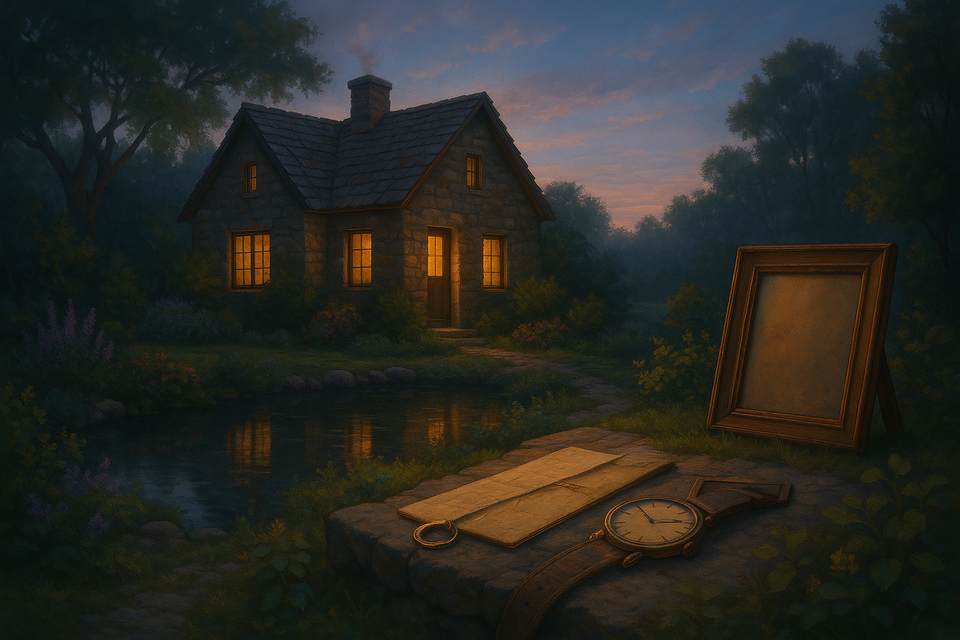
The notion of family legacy is often romanticized, but how do we practically construct something that endures through generations? Creating family properties as legendary landmarks offers an answer. These aren't just homes; they are anchors of tradition, memory, and shared experience. In a world constantly shifting, a family property can become a beacon—both a refuge and a reminder of shared values.
Building Foundations: More Than Bricks and Mortar
Creating a family landmark begins with understanding its purpose. A family property should reflect the family's values and aspirations, establishing a physical incarnation of legacy. This goes beyond mere aesthetics. Consider constructing a property that embodies the skills, stories, and strengths of your family.
For example, the Roush family legacy in the automotive industry is cemented not just through their business but also through vehicles like the Roush Racing Chassis no. RK-195, auctioned to enthusiasts who value the history and craftsmanship behind each model.
Cultural Heritage: Combining Past and Present
Properties that stand the test of time often blend historical significance with modern functionality. The Eden hotel, perched above the Pacific at the end of Route 66, serves as a testament to such a blend. Originally opened in 1940, it combines its historic roots with contemporary hospitality, providing a meaningful connection to the past while serving present-day travelers.
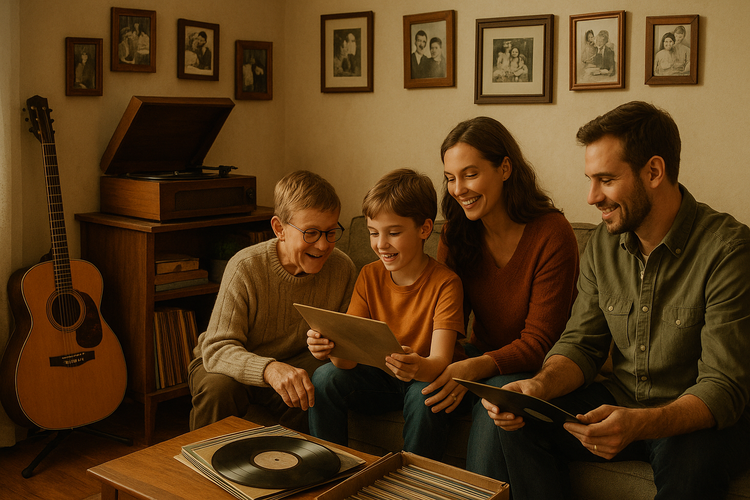
This approach can be applied to family properties. Include elements that speak to your family’s history—perhaps a room dedicated to photographs and memorabilia, or a garden with plants chosen for their significance to family stories.
Practical Steps to Infuse Heritage
- Incorporate family heirlooms and storytelling spaces throughout the property.
- Preserve architectural features that have historical or familial significance.
- Select materials and designs that echo the family’s journey and aspirations.
Design for Connection: Spaces that Bring People Together
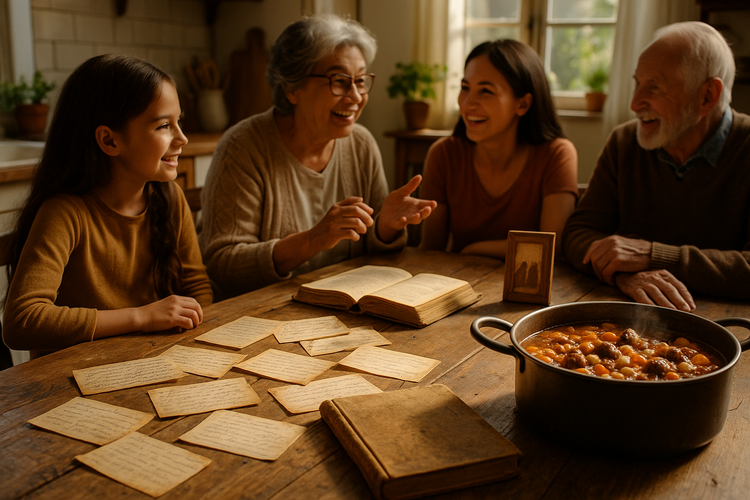
The design of a family property should encourage gathering and connection. Whether it’s a large kitchen for family meals or an outdoor area for celebrations, these spaces become the stage for shared experiences.
At a family-owned establishment like Three Brothers Restaurant, the tradition is not just in the recipes passed down through generations, but in the physical space that invites patrons to partake in the familial atmosphere.
Creating Connection-Focused Spaces
- Design open spaces that allow for flexibility and multiple uses.
- Include seating arrangements that encourage conversation.
- Incorporate interactive elements like gardens, playgrounds, or sports areas.
Stewardship and Responsibility: Sustaining the Legacy
Building a family landmark is not just about creation but also about stewardship. It's an ongoing commitment to maintain and honor the property for future generations. This requires both vision and practical action.
For example, the owners of historic places like The Eden take great care in preserving the original structure while updating necessary elements to meet modern needs without compromising the site’s heritage value.
Stewardship Strategies
- Regularly update and maintain the property to prevent decay.
- Engage family members in the property's upkeep, fostering a sense of ownership.
- Establish a family council or trust to manage decisions regarding the property.
Philanthropy: Extending the Impact
Incorporating philanthropy into your family property can extend its impact beyond your kin. This could be done by hosting community events, supporting local causes, or establishing educational programs that utilize the property for greater good.
Paul Storm’s legacy at China Camp illustrates how a property can have a philanthropic angle. Storm’s estate gift allowed for the restoration of local trail systems, providing a community space that honors both his memory and public enjoyment.
Ways to Integrate Philanthropy
- Use the property to host charity events or fundraisers.
- Open the property for educational purposes, such as school trips or workshops.
- Partner with local organizations to support community initiatives.
Creating a family property that serves as a legendary landmark requires intention, craft, and a deep understanding of legacy. It’s about building a place that not only stands strong physically but also resonates spiritually with those who walk its halls or rest on its porches. As we build and steward these spaces, we create not just for ourselves, but for generations yet to come.