Timeless Textiles: Weaving Brand Narratives Through Custom Fabric Designs
In an era where storytelling is king, the canvas of choice is often the fabric itself. From ancient dyes to digital patterns, textiles hold the power to weave narratives that resonate deeply with consumers. But how do brands craft these tales while balancing the cutting edge of technology with time-honored traditions?
The Digital Loom: AI in Textile Design
The fashion industry is undergoing a transformation fueled by artificial intelligence (AI), a technology that is reshaping how we approach textile design. By integrating AI, designers can create more sustainable fabric patterns with zero waste. As noted in a recent Instagram reel, luxury brands are leveraging AI-driven algorithms to minimize textile waste and optimize production, ensuring every thread has a purpose.
For example, AI-driven predictive demand models are helping designers forecast trends and consumer preferences, reducing the risk of overproduction—a common pitfall in fashion. This not only enhances efficiency but also supports environmental sustainability by ensuring resources are used wisely.
Tradition Meets Innovation: Crafting with a Purpose
While technology offers new tools, the essence of textile storytelling often lies in tradition. Brands like Jacquemus, despite their use of natural but environmentally taxing materials like cotton and viscose, draw inspiration from their roots. As Lectra reports, the brand's warm color palette pays homage to its French heritage.
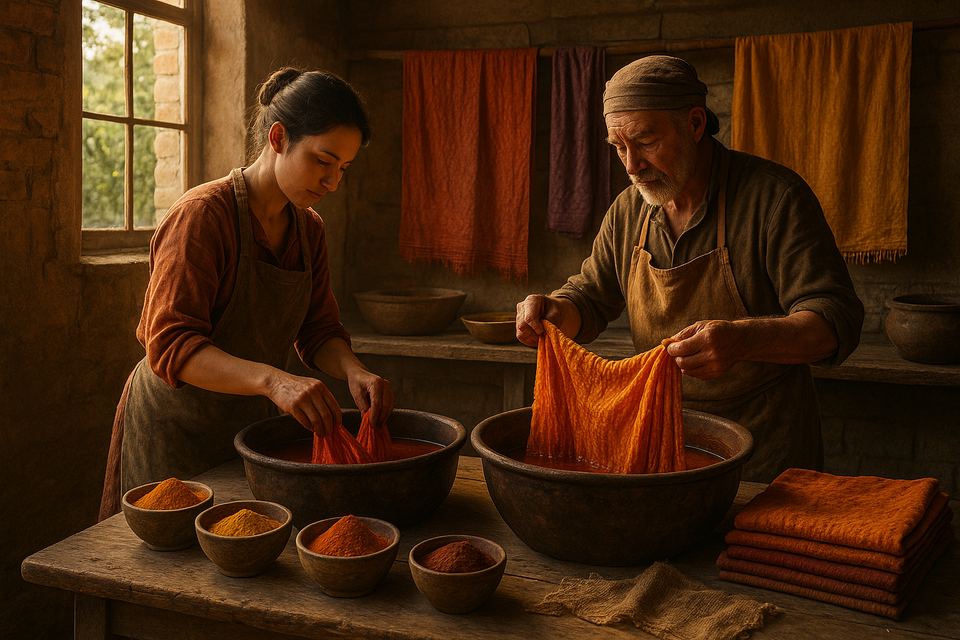
Similarly, Kinyan Lam, highlighted by Vogue, embodies the principle of "slow by design." His work with artisans in China revives traditional dyeing and embroidery techniques, blending historical craftsmanship with modern aesthetics. This fusion not only preserves cultural heritage but also adds emotional depth to his creations.
Sustainability as a Narrative
The shift towards sustainable fashion isn't merely a trend; it's a narrative imperative. Consumers increasingly seek brands that reflect their values, demanding transparency and responsibility. Zero-waste couture, as detailed in the Instagram reel, epitomizes this shift. By ensuring that all fabric is used efficiently, brands can tell stories of environmental stewardship.
Furthermore, as AI continues to influence fabric design, it allows for the development of eco-friendly materials and innovative production methods. The ability to predict future trends, as discussed in research, helps brands stay ahead while maintaining eco-conscious practices.
Cultural Heritage and the New Luxury
Today’s luxury consumers seek more than opulence; they desire stories that resonate with their identities and values. For instance, Seamline Atelier, as featured on TikTok, transforms garments into societal narratives, preserving cultural heritage with a timeless appeal.
This approach aligns with a broader movement towards inclusivity and representation. As brands embrace diverse cultural influences and narratives, they not only appeal to a wider audience but also enrich their fabric designs with unique stories.
The Legacy of Fabric Narratives
As fabric design evolves, the intersection of technology and tradition offers limitless potential for storytelling. These woven narratives not only define a brand’s identity but also create a legacy that transcends generations. Every stitch, dye, and pattern carries a story waiting to be told.
In crafting these stories, brands must balance innovation with tradition, ensuring that their textiles are not just products but narratives of sustainability, culture, and purpose. The legacy of these narratives lies not just in the fabric, but in the values and stories they carry forward.