Legacy Through Literature: Writing Family Stories that Outlast Generations
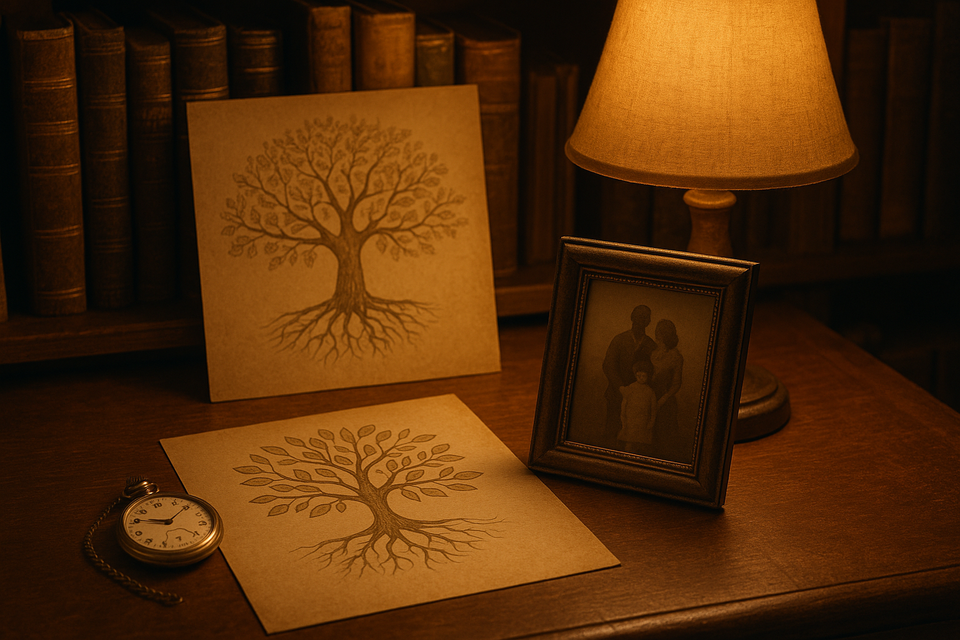
Imagine a world where your family stories are not only remembered but cherished for generations. Picture your grandchildren and their children gathering around to hear tales of their ancestry, rich with wisdom, values, and life lessons. Writing family stories is not just a personal project; it's a legacy-building endeavor that binds generations and infuses your lineage with enduring richness.
Finding the Soul of Your Family Story
Every family has a tapestry of stories, woven with moments of triumph, trials, and transformation. The first step is identifying the soul of your story. What are the core values, the pivotal moments, or the unique quirks that make your family distinct? According to MemoirMaster's guide, understanding these elements is crucial to crafting a narrative that resonates.
Identify Key Themes and Values
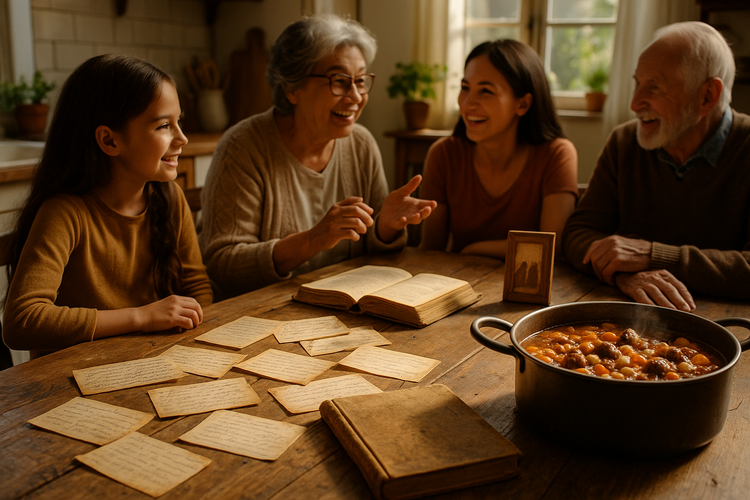
Start by interviewing family members, revisiting cherished anecdotes, and identifying recurring themes. Is there a tradition of entrepreneurship, a legacy of philanthropy, or a tale of resilience? These elements are the lifeblood of your narrative.
Map Out the Narrative Arc
As NovelOS highlights in their article on family sagas, constructing a clear arc with distinct time jumps and historical consequences can add depth and intrigue. Think of your family's journey as a saga with evolving characters and settings.
The Craft of Storytelling
Once you have the essence, the next task is to weave it into engaging prose. Writing a family history book is more than a chronological account; it is about creating a narrative that captures the imagination.
Engage with Creativity and Honesty
Incorporate creative storytelling techniques with an honest portrayal of events. Balance is key; your narrative should reflect truth while being engaging enough to inspire and captivate your readers.
Structure and Style
Adopt a structure that suits your family’s story. The Brevity Blog suggests that stories don't have to fit into a conventional book form; they can be memoirs, digital narratives, or even audio stories.
Preserving and Sharing Your Legacy
Having crafted your tale, consider how it will be preserved and shared. Creating a private family biography, as discussed in Classic Stories, can be an incredibly personal and lasting way to pass your legacy.
Digital and Physical Formats
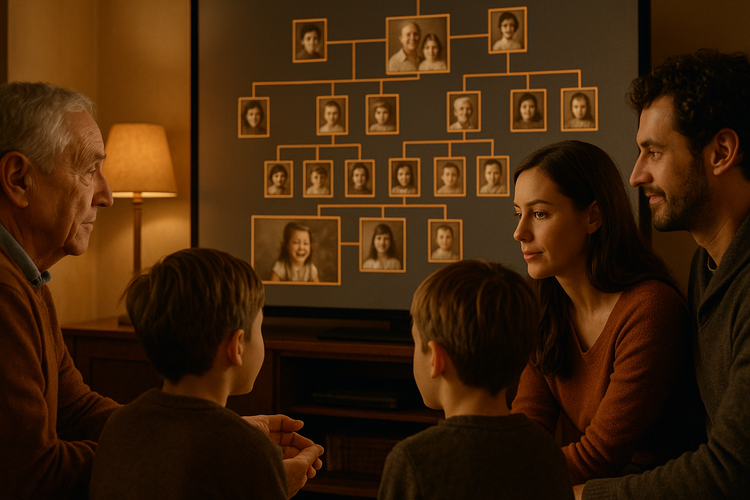
In today's digital age, consider multiple formats. Physical books have their charm, but digital versions add versatility. Imagine a digital family tree or a multimedia presentation that intertwines images, videos, and documents.
Engage the Younger Generation
Use technology to make the stories accessible and engaging for younger audiences. Digital platforms can be more attractive to tech-savvy descendants and ensure the stories are never lost.
Gathering Family and Building Community
Storytelling can be a communal venture. Gather your family, engage them in the process, and let this endeavor strengthen bonds.
Host Storytelling Sessions
Consider regular family gatherings where stories are shared and new ones are created. These sessions can become a cherished tradition and a way to include everyone's voice in the legacy.
Collaborate and Delegate
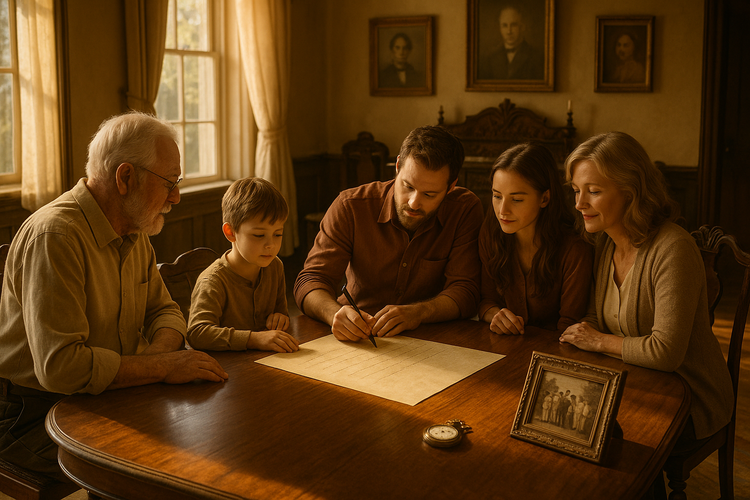
Invite family members to contribute their perspectives and memories. This collaboration can uncover hidden gems of stories previously untold.
Writing for Legacy, Not Perfection
It's vital to approach this endeavor with the correct mindset. Your goal is not to produce a bestseller but to create something invaluable for your family.
As the Brevity Blog reminds us, your story does not need to attract a publisher's attention to be meaningful and impactful. Capture the essence of your family, and keep the focus on authenticity and sincerity.
In the end, story is not merely a recollection of the past but a living, breathing testament to who you are and where you come from. As you pen down your family saga, know that you are not just writing history; you are crafting a legacy that stands to inspire and guide generations to come.