Culinary Chronicles: Passing Down Family Recipes as Cultural and Spiritual Heirlooms
In the heart of every family kitchen, there lies a treasure trove far more valuable than gold or silver—the family recipe. These culinary chronicles are not just instructions for creating beloved dishes; they are woven with the heritage, values, and stories of those who came before us. In this exploration, we step into the world where gastronomy meets genealogy, where a recipe is a chapter in the grand narrative of familial legacy.
The Power of a Recipe to Connect Generations
Imagine sitting at a dinner table, the aroma of your grandmother’s chicken curry enveloping the room. Each bite is a connection to her, to her struggles, triumphs, and to the culture she cherished. Family recipes serve as bridges between generations, allowing us to taste our history and savor the continuity of our heritage. According to the CT University event celebrating culinary traditions, recipes are vital in preserving cultural legacies, offering recognition to culinary talents and inspiring younger generations to value their roots [1].
Recipes as Cultural Heirlooms
In many families, a recipe is more than just a list of ingredients; it is an heirloom, as significant as any tangible antique. Much like the heirloom tomatoes showcased at Bernardus, these recipes are cherished for their authenticity and connection to the past [3]. They encapsulate the essence of a culture, carrying the flavors and techniques honed over generations. Consider the jollof rice competition shared by families from Nigeria and Senegal, each claiming their version as superior, yet both contributing to the rich tapestry of African culinary identity [2].
The Spiritual Significance of Culinary Traditions
Culinary traditions often carry spiritual significance, embodying rituals and beliefs passed down through generations. For some, preparing and sharing family recipes becomes a form of worship, a way to honor ancestors and seek blessings for the future. As noted by those involved in religious and cultural work, sharing these recipes is a testament to the enduring power of faith and family values [5].
Preserving Family Recipes in the Modern World
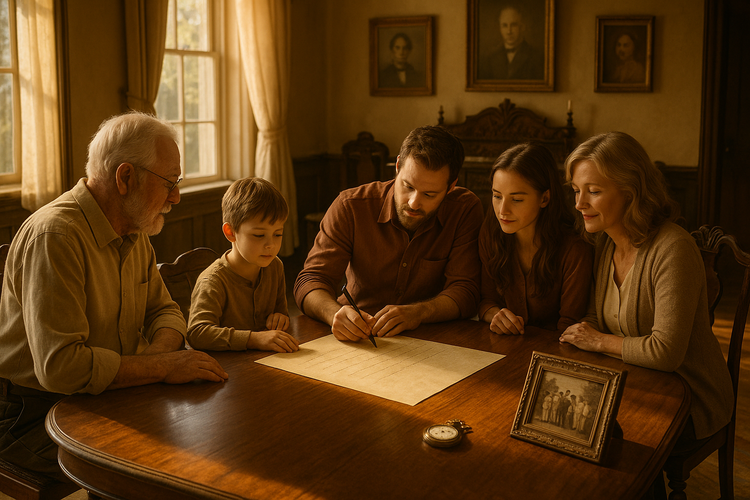
Today, preserving family recipes requires intentional effort. In an era dominated by fast food and convenience meals, maintaining the art of traditional cooking can be challenging. However, it is not impossible. Start by documenting recipes diligently, capturing not just the ingredients and steps but also the stories and sentiments behind them. This is akin to writing a family history, where each recipe is a chapter in your family's life story, much like crafting an autobiography [4].
Reviving Tradition Through Culinary Gatherings
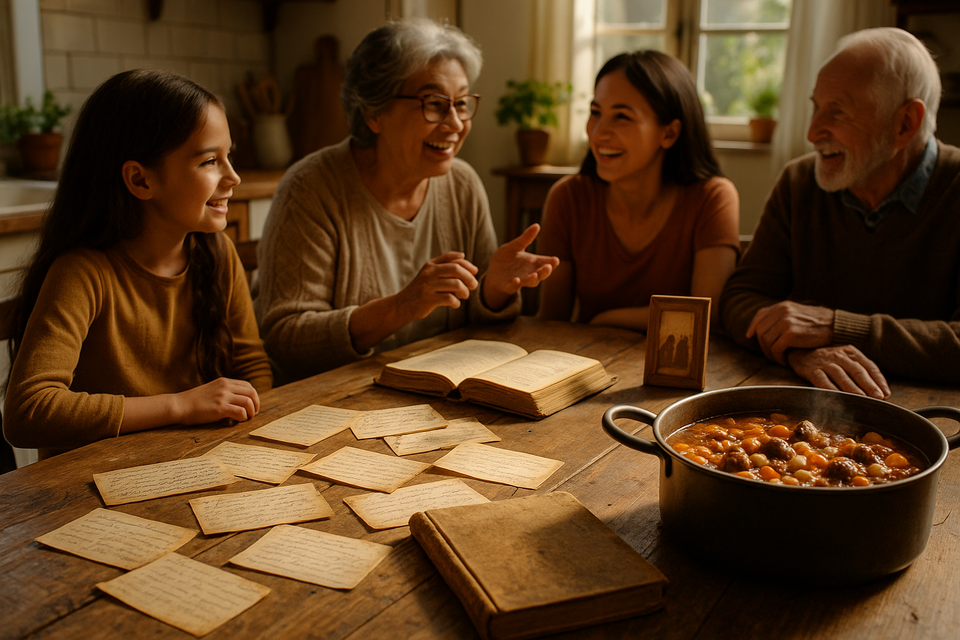
Hosting family gatherings centered around food can be a powerful way to revive and maintain culinary traditions. Use these occasions to cook together, share stories, and teach younger generations the nuances of these cherished recipes. This practice not only strengthens family bonds but also ensures that these traditions are passed down, much like the shared cultural practices documented in historical narratives [7].
Ultimately, family recipes are more than meals; they are embodiments of love, resilience, and identity. They are gifts to future generations, providing a sense of belonging and continuity in a rapidly changing world. As we preserve these recipes, we honor our ancestors, enrich our present, and lay a flavorful foundation for the future.