Cultivating Legacy Narratives: Unlocking Personal History through Guided Family Interviews
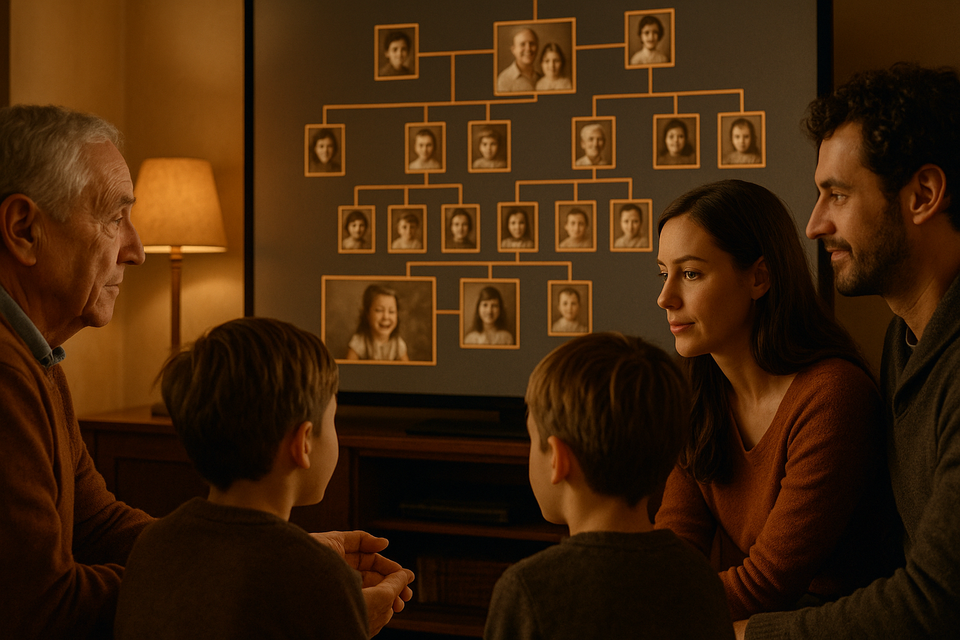
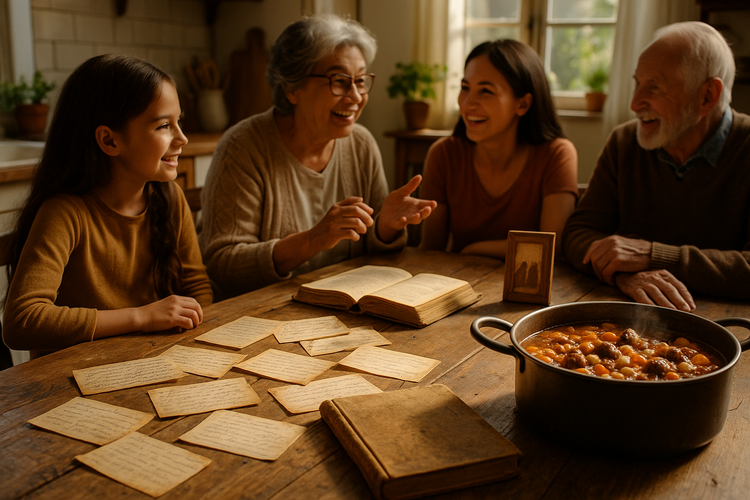
Imagine sitting down with your grandparents at the dining table, a recorder in hand, ready to uncover tales that have shaped your family's history. The art of guided family interviews is more than just a quest for ancestral stories; it's a bridge connecting generations, a way to preserve the rich tapestry of your legacy.
The Power of Personal Narratives
Personal narratives are more than mere stories; they are the heartbeat of our identities and legacies. Guided family interviews can serve as a tool to unlock these narratives, revealing insights and wisdom that might otherwise fade with time.
Understanding the Value
In a world where technology often overshadows personal connections, the value of personal narratives cannot be overstated. These stories not only preserve family history but also enrich our understanding of the present. As noted in a study by the Japan Sociological Society, preserving language, culture, and historical memory is paramount for many communities (source: The Japan Sociological Society).
Preparing for Family Interviews
Conducting a family interview requires more than just good intentions. Preparation is key to ensuring that the experience is rewarding for both the interviewer and the interviewee.
Selecting the Right Environment
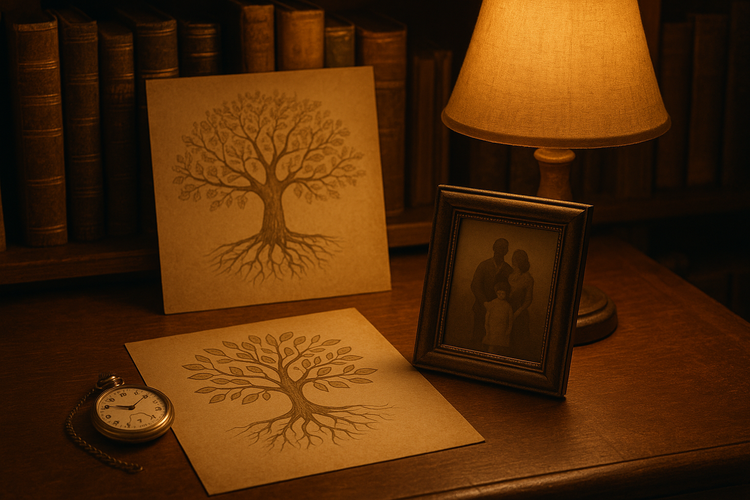
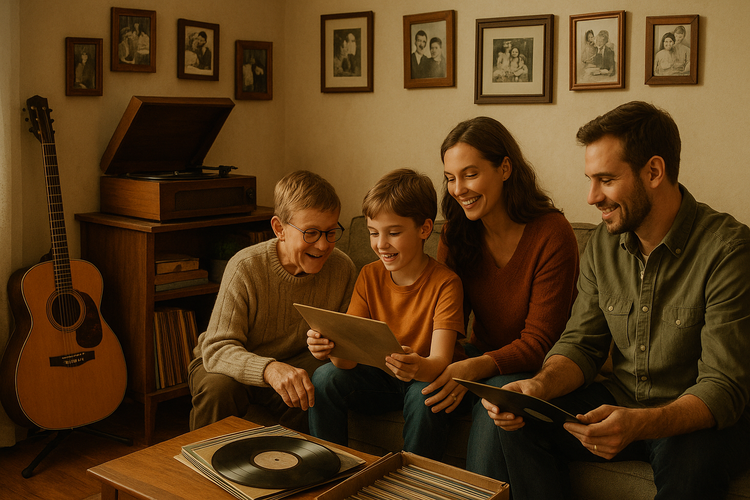
Choose a comfortable setting where everyone feels at ease. A family study filled with heirlooms, or a cozy living room adorned with photos, can evoke a sense of history and encourage open dialogue.
Crafting Thoughtful Questions
Your questions should be open-ended and designed to elicit stories rather than yes-or-no answers. Consider asking about significant family events, cherished traditions, or personal milestones.
Using Technology as a Tool
Incorporate digital tools to record and preserve these conversations. This not only ensures accuracy but also allows for the stories to be shared with future generations. Digital archives, like those discussed by FBASD, offer platforms where personal histories can be both conserved and accessed widely (source: FBASD).
Challenges in Conducting Family Interviews
No great endeavor comes without its challenges, and family interviews are no exception. Being aware of potential pitfalls can help you navigate them more effectively.
Overcoming Emotional Barriers
Discussing family history can evoke a range of emotions. It's important to approach sensitive topics with empathy, allowing interviewees the space to share at their own pace.
Dealing with Resistance
Not every family member may be eager to participate. Overcome resistance by explaining the importance of preserving family history and ensuring participants feel valued and respected.
Ensuring Ethical Considerations
Always obtain consent before recording any conversations, especially when dealing with vulnerable groups. Respect for privacy and personal stories is paramount, as highlighted in research on safeguarding participant rights (source: Journal of Global Health Science).
Building a Legacy of Meaning
Guided family interviews are not just about collecting stories; they are about building a legacy. These narratives form the scaffolding of a family's values and beliefs, shaping future generations.
Documenting and Sharing Stories
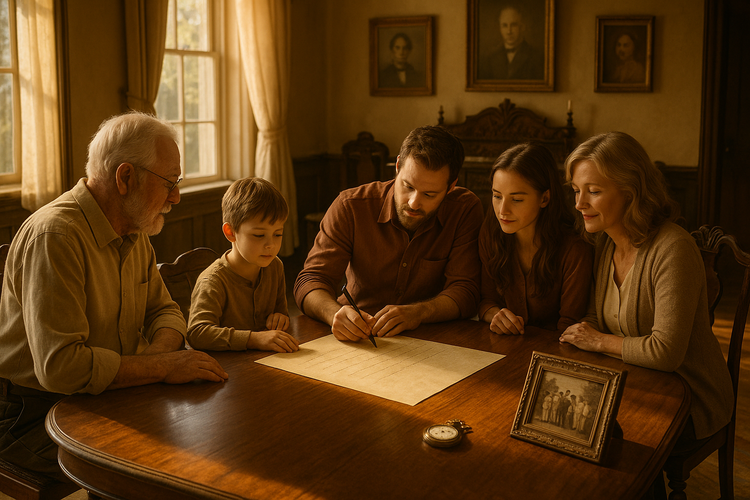
Once stories are collected, consider creating a digital or physical archive. This could be a family book, a multimedia presentation, or an online repository accessible to all family members.
Integrating Stories into Daily Life
Share these narratives regularly to keep them alive. Whether it's through family gatherings or personal reflection, these stories can offer guidance and insight in times of decision-making.
The Lasting Impact of Family Narratives
In the end, the true value of guided family interviews lies in their ability to weave together a tapestry of personal history, faith, and legacy. As we sit with our loved ones and listen to the stories of their past, we are reminded of our shared journey and the timeless wisdom embedded in our heritage. This pursuit not only enriches our understanding of who we are today but also shapes the legacy we leave behind.