Sculpting Success: How Artisanship in Business Can Craft a Lasting Legacy
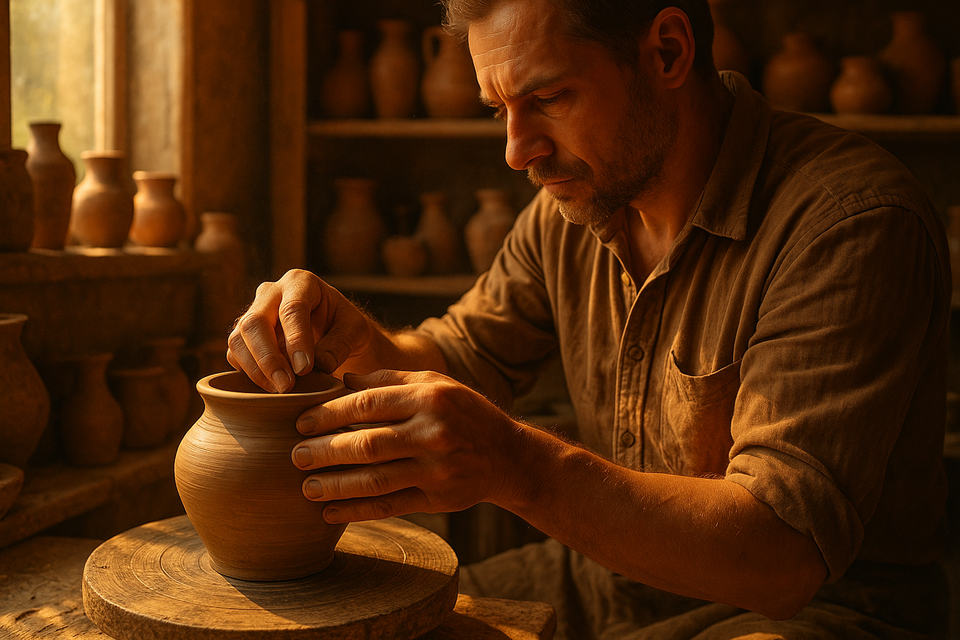
In a world increasingly dominated by mass production and digital transactions, the art of craftsmanship stands as a testament to the enduring value of quality, authenticity, and personal touch. Imagine a business model that not only generates profit but also leaves a mark on the world by preserving the beauty and integrity of traditional skills. This is the promise of integrating artisanship into modern entrepreneurship—a fusion that can sculpt a legacy lasting far beyond our time.
The Artisanship Advantage in Modern Business
Embracing artisanship in business is more than a nostalgic nod to the past. It’s a strategic advantage that can differentiate your brand in a crowded market. Artisanship speaks to consumers' growing desire for authenticity and uniqueness. According to a socio-economic study on the clay doll making community in Ghurni, artisans face challenges like market access and financial constraints, but these can be turned into opportunities with the right approach (source: Socio-Economic Study of the Clay Doll Making Ghurni).
Bridging Tradition with Innovation
Technology can be a powerful ally in this fusion. The use of digital tools and e-commerce platforms can significantly enhance market access for artisans. This includes developing training programs that educate artisans on using these technologies and creating user-friendly platforms tailored to their unique needs. For instance, Malaysian traditional craft businesses have successfully embraced digitalization to preserve heritage while reaching a broader audience (source: Modern Marketing Strategies for Malaysian Traditional Craft Businesses).
Crafting a Brand That Resonates
Your brand is your business's soul, and integrating artisanship can imbue it with a sense of purpose and depth that resonates with consumers. By telling the story of your craftsmanship and the personal touch that goes into every product, you create an emotional connection with your audience. This connection can drive not just brand loyalty but also premium pricing, as customers are willing to pay more for products that tell a story and have intrinsic value.
Case Study: Artisans of Mzansi
Consider the example of South African artisan entrepreneurs who have transformed not only their businesses but also their communities. By becoming national ambassadors of their craft, they've showcased how artisanship can lead to business success and social change (source: Sanaa 2026: Artisans become national ambassadors).
Building Bridges Through Partnerships
A key strategy in amplifying the impact of artisanship is forming strategic partnerships. Collaborations with other artisans, designers, and even technology platforms can create synergies that enhance creativity and market reach. These partnerships can help overcome barriers like limited production capacity and market isolation.
The Power of Community and Networks
Creating a network of artisans can also facilitate shared resources and knowledge. Platforms such as co-working spaces or online communities can serve as hubs for innovation and support. This not only strengthens individual businesses but also uplifts the entire artisan sector.
Nurturing a Legacy of Excellence
The true essence of artisanship lies in its commitment to excellence. This dedication should reflect in every aspect of your business, from product design to customer service. By holding your business to high standards, you set a benchmark that others will follow, creating a legacy of quality and integrity.
Mentorship and Education
Invest in mentorship programs where experienced artisans pass down their skills and wisdom to younger generations. This not only preserves the craft but also ensures its evolution in response to contemporary challenges. Educational initiatives can also introduce traditional skills into formal education, broadening their appeal and accessibility.
Conclusion: A Lasting Impression
By integrating artisanship into your business model, you’re not just creating products—you’re crafting a legacy. This approach requires patience, vision, and a deep respect for the crafts that have shaped human history. Yet, the rewards extend far beyond financial success. You contribute to a culture that values quality over quantity, creativity over conformity, and legacy over instant gratification.
In this journey, remember that true success is measured not by the wealth you accumulate, but by the impact you make and the legacy you leave behind. Let's chart a course that honors the past, elevates the present, and consciously crafts the future.