Heritage Homes: Designing Spaces That Embody Values and Inspire Future Generations
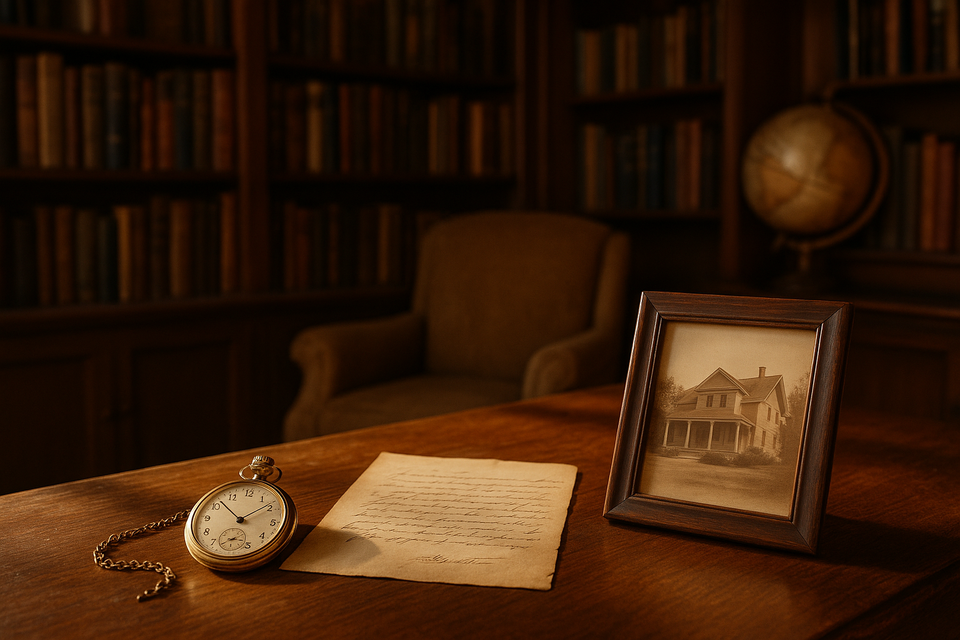
Imagine walking through a home where every room tells a story, and every artifact whispers of the past, all while shaping the future. That's the magic of designing heritage homes that don't merely house the present but also cradle a legacy. In a world where trends come and go, creating a space that embodies enduring values is both a challenge and an opportunity to leave a lasting imprint.
Preserving the Past, Inspiring the Future
Heritage homes are vessels of history and culture. They bridge generations, connecting the past with the future in tangible, meaningful ways. Consider a historic jail in Ohio built in 1847, which was transformed into a family home, preserving its unique architectural features while meeting modern living needs. The six inmate cells were reimagined into pantries and closets, showcasing a blend of preservation and innovation [source].
Such transformations are not just about aesthetics or function; they are about breathing new life into old stories and ensuring they continue to inspire. By integrating elements from the past, you create a narrative that future generations can engage with, fostering a deeper connection to family heritage and values.
Designing with Purpose and Conviction
When designing a heritage home, it’s crucial to infuse every choice with purpose and conviction. This aligns well with a faith-driven perspective, where every decision reflects broader values and beliefs.
Choosing Materials with Meaning
Opt for materials that resonate with your family's story or values. For instance, using reclaimed wood can signify sustainability and respect for nature, while stonework might represent strength and permanence. These choices are more than aesthetic; they are statements of intent and belief.
Spaces that Reflect Values
Design spaces that are not only functional but also reflective of your core values. A family dining room that accommodates large gatherings might emphasize the importance of community and togetherness. A study filled with heirlooms can be a sanctuary for reflection, learning, and passing down wisdom.
Legacy through Craftsmanship
Craftsmanship is a cornerstone of heritage home design. It turns ordinary spaces into extraordinary experiences. Just as a craftsman meticulously shapes each piece, your home should be a canvas where every detail reflects quality and care.
The Art of Custom Design
Custom design elements, such as built-in bookshelves or handcrafted tiles, can add unique character to a home. These elements not only enhance the aesthetic but also become conversation starters, allowing stories to unfold with each piece.
Honoring the Craft
Incorporate local artisans and craftsmen in your project. This not only supports community talent but also embeds a sense of local culture and history into your home. Each crafted element becomes a testament to the skills and stories of those who came before us.
Integrating Modern Technology with Tradition
The challenge of marrying modern technology with traditional design is an opportunity to reinvent what a heritage home can be. Smart home technology can enhance your living experience without compromising the historical integrity of your home.
Smart Solutions in Historic Walls
Consider integrating climate control systems that are discreet yet effective, ensuring comfort throughout the seasons while preserving the aesthetic of historic walls. Lighting systems can highlight architectural features, making them come alive at night.
Balancing Innovation with Tradition
It’s about finding a harmonious balance between the old and the new, creating a space that respects history while embracing the conveniences of modern life. Smart home systems designed with subtlety ensure that the charm of heritage isn't overshadowed by technology.
Creating Spaces for Reflection and Family
Heritage homes should be places of reflection, where family values, faith, and legacy are interwoven into the fabric of daily life. A home library or meditation room can serve as a space for spiritual growth and reflection, offering a retreat from the busyness of life.
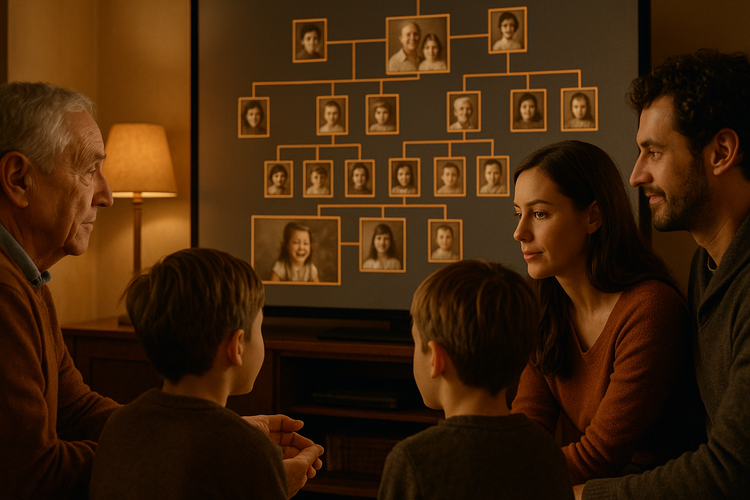
Such rooms are also ideal for displaying family artifacts, stories, and photographs that remind us of our roots and the journey that's brought us to where we are today.
Building for Generations to Come
The true success of designing a heritage home lies in its ability to serve and inspire not just the immediate family, but generations that follow. As you take each step in the design process, consider the legacy you are building.
Will your home stand as a testament to your values? Will it inspire your children and grandchildren to uphold and cherish the family's legacy? These are the questions that bridge the gap between mere design and meaningful creation.
Incorporating these elements into your home design ensures that it remains a living testament to your family's journey, values, and faith. A heritage home is more than a building; it's a beacon for future generations, guiding them with the light of history and the warmth of shared values.