Beyond Brick and Mortar: Designing Family Workspaces That Inspire Legacy and Innovation

Picture this: a family workspace where innovation meets legacy, where every wall tells a story, and every corner inspires creativity. In an age where the boundary between work and home blurs, the need for thoughtfully designed family workspaces that preserve values and encourage new ideas has never been more pertinent.
The Family Workspace: More Than Just a Room
First, it’s crucial to redefine what a family workspace should be. It is not merely an office with a desk and a chair; it’s a sanctuary that nurtures both legacy and innovation. The core of a family workspace is its ability to function as a hub for family gatherings and individual productivity.
Take, for example, a space designed with modular furniture that can be easily reconfigured for different needs. During the day, it serves as a collaborative environment with a large table for projects. In the evening, it transforms into a cozy setting for family dinners. This adaptability is key to maintaining the balance between work and family life.
Crafting Legacy Through Design
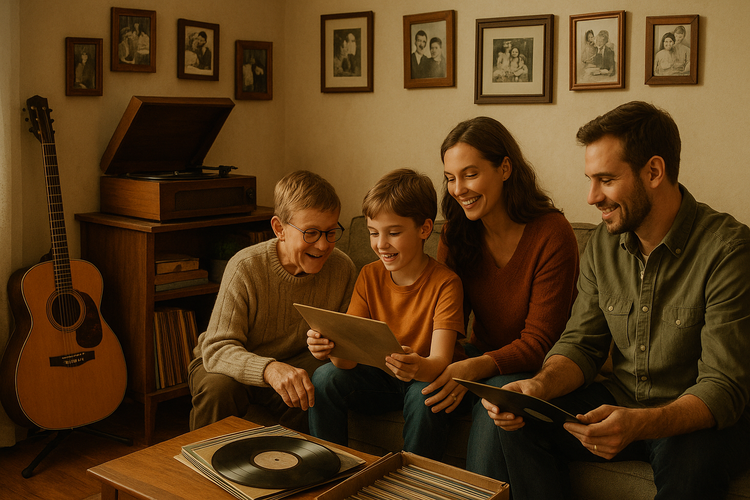
Incorporating elements of your family’s history into the workspace can be a powerful way to reinforce identity and purpose. Consider using heirlooms or artifacts, as these pieces not only add personality but also remind family members of their shared roots and values.
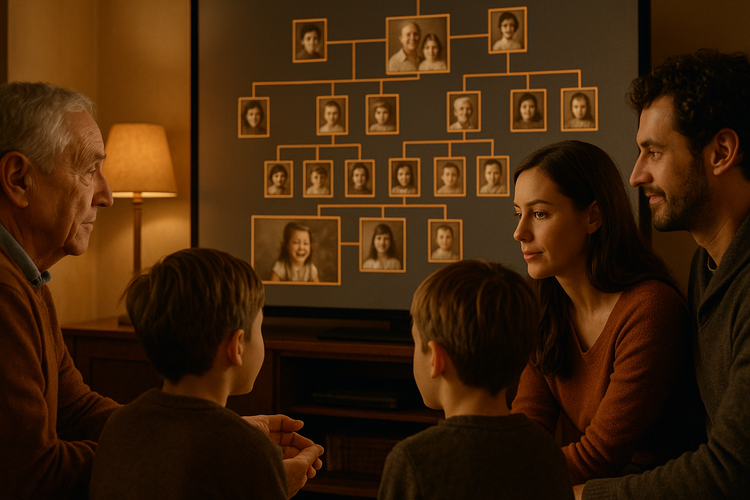
A workspace might include a gallery wall featuring past generations, or perhaps a bookshelf filled with books passed down through the family. Each item can serve as a conversation starter, connecting the past with the present. The goal is to create an environment where the family’s history is palpable, encouraging the current generation to build upon it.
Fostering Innovation and Creativity
While legacy is essential, the workspace should also be a breeding ground for new ideas. This can be achieved by integrating technology in subtle yet powerful ways. Smart boards, interactive displays, and virtual reality tools can transform traditional spaces into high-tech innovation hubs.
Such technology should be used to complement the space, not dominate it. For instance, a smart board can display family goals and achievements, encouraging collaboration on future projects. Meanwhile, virtual reality experiences can provide a new perspective on how to solve existing challenges.
Moreover, creating a dedicated area for brainstorming, equipped with whiteboards and creative supplies, can stimulate out-of-the-box thinking, ensuring that innovation is always a step away.
The Role of Education in Family Workspaces
According to insights from The Family Office Professional, continuous education within families is essential for maintaining cohesion and relevance (source: The Family Office Professional).
This can be integrated into the workspace as a resource library containing materials for self-improvement, entrepreneurship, and technology. Regular workshops or family learning sessions can be scheduled, utilizing both internal and external experts to provide fresh insights and skills enhancement.
Designing for Flexibility and Future Growth
The design of a family workspace should be forward-thinking, allowing for future expansion and adaptation as family needs evolve. Involving family members in the design process can ensure that the space meets both current and anticipated needs. Including flexible infrastructure, such as movable walls or multi-purpose furniture, provides the adaptability required for a dynamic family unit.
As family structures and business landscapes change, the workspace should be a catalyst for growth. This might involve staying informed about current design and technology trends in order to keep the space relevant and effective.
A Space that Reflects Both Vision and Values
Ultimately, a well-designed family workspace is much more than the sum of its parts. It’s a physical manifestation of a family's vision and values, a place that nurtures and inspires. The investment in such a space pays dividends not just in productivity, but in the strength and unity of the family.
As João Pedro Araujo of CIX Capital highlights, operational improvements in physical spaces can significantly impact financial performance (source: CIX Capital). This principle applies equally to family workspaces, where thoughtful design can lead to a more cohesive and productive family dynamic.
In the end, designing a family workspace is about crafting an environment that bridges the past with the future, acknowledging the legacy while paving the way for innovation. It's a living space where history meets modernity, and where every family member finds both a sense of belonging and a platform for growth.