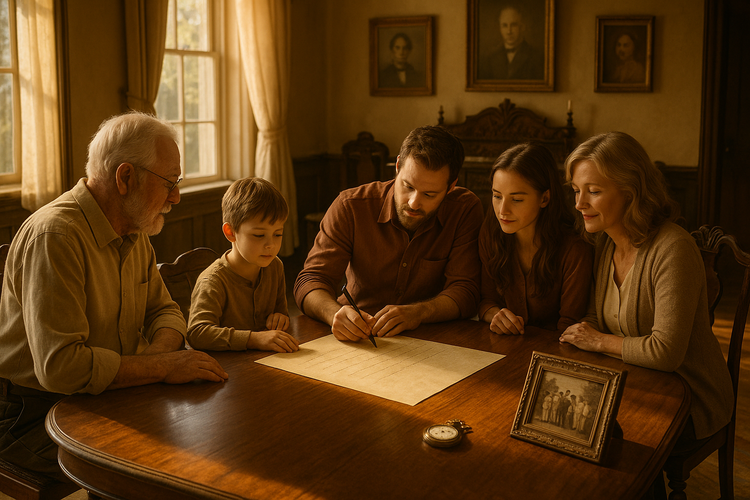
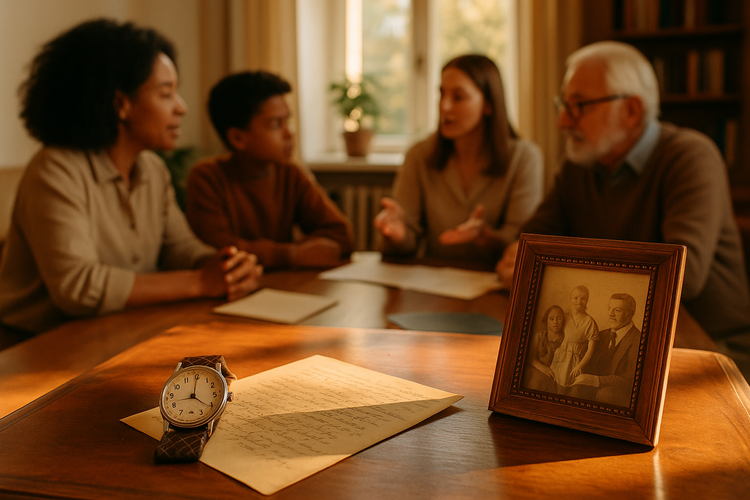
Time Capsules of Taste: Creating a Multi-Sensory Legacy with Signature Family Dishes
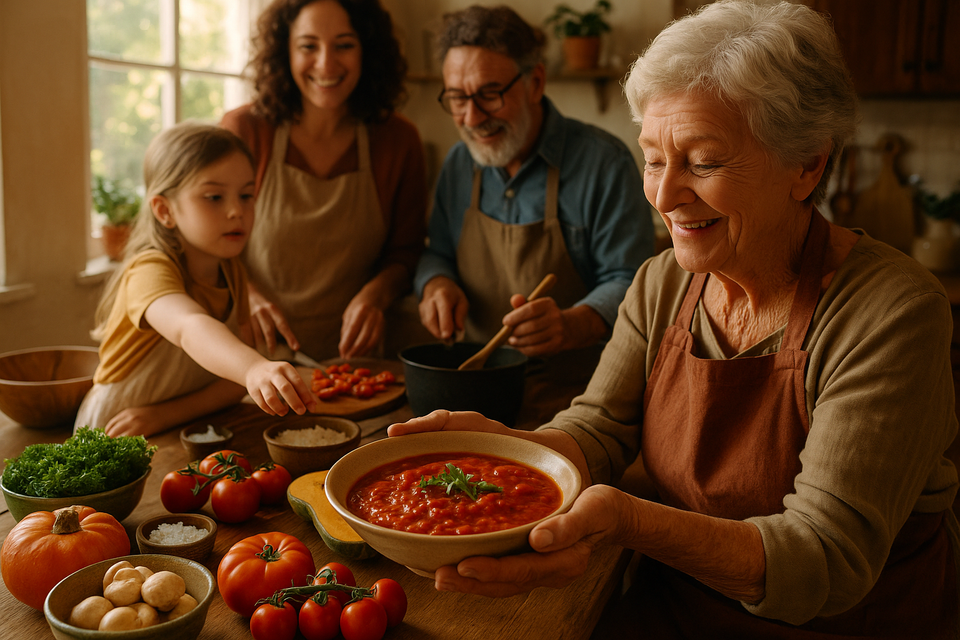
Imagine walking into a kitchen filled with the scent of your grandmother's secret recipe simmering on the stove. The aroma alone transports you back to family gatherings, laughter-filled evenings, and the warmth of familial bonds. Such is the power of a signature family dish—a culinary legacy that transcends generations, deeply rooted in taste, tradition, and faith.
The Power of Culinary Heritage
Food does more than satiate hunger; it feeds our souls, binds us in tradition, and tells our collective stories. A well-loved family dish can become a time capsule, preserving the essence of who we are and where we come from. Culinary heritage, especially when coupled with a sense of purpose and faith, has the potential to create a profound multi-sensory experience.
According to a report from Mintel, multisensory innovations in food are increasingly appreciated for their inclusivity and ability to create lasting impressions. When we apply this to family recipes, it becomes evident that our dishes can serve as both legacy and lesson, teaching values and faith alongside flavors.
Crafting Signature Dishes: A Family Affair
Creating a signature family dish requires intention. In our family, for example, Sunday afternoons meant gathering in the kitchen to prepare a rich, spicy biryani. Each ingredient held significance, from the saffron threads symbolizing prosperity to the cloves representing the warmth of fellowship. These culinary rituals were woven with stories of faith and perseverance, each mouthful a reminder of the values passed down from generation to generation.
Involving multiple generations in the creation of these dishes not only ensures that the recipes are passed on, but that they evolve, incorporating the nuances of each new cook. This adaptive approach is a cornerstone of both culinary and family legacy, allowing traditions to endure and thrive.
Multi-Sensory Experiences: Beyond Taste
Incorporating multi-sensory elements into family cooking can deepen its impact. A study from the STAR Sensory Nudges Conference highlighted the potential of multisensory experiences to improve quality of life and consumer behavior. Applied to family traditions, these principles suggest including elements like music, stories, and even visual art related to the dish.
For instance, cooking can be accompanied by family stories shared aloud or favorite songs that hold personal significance. Creating a specific atmosphere with these elements can transform a simple meal into an immersive experience, making the legacy of a family dish not just about taste, but a full sensory tapestry that future generations will cherish.
Documenting and Preserving Culinary Legacy
As important as creating the dish is documenting it. Often, family recipes live in the memories of elders, risking loss as generations pass. Consider creating a family recipe book that combines culinary instructions with anecdotes and reflections of faith. This not only ensures the legacy continues but provides a tangible token of family history.
Digital tools offer new avenues for preserving and sharing these stories. Multimedia family trees or digital archives can include video tutorials and audio recordings of family members sharing their culinary wisdom. This not only safeguards the recipes but also provides a rich, personal context for each dish.
Practical Steps for Starting Your Culinary Legacy
Building a culinary legacy begins with simple, actionable steps:
- Choose Signature Dishes: Identify recipes that have significance, either through tradition or personal preference.
- Create Together: Make cooking an inclusive family activity, involving everyone from children to grandparents.
- Document Thoroughly: Write down the recipes, include step-by-step instructions, and add personal stories or photographs.
- Embrace Multi-Sensory Elements: Introduce music, storytelling, or design elements to enhance the cooking and dining experience.
- Share and Preserve: Use digital platforms to record and share the recipes and their stories with wider family networks.
The Taste of Legacy
As we weave the threads of culinary tradition, we build a tapestry rich with faith, identity, and love. These signature dishes are not just meals but manifestations of our values, capturing the essence of our families. They serve as reminders of our shared history and anchors of our cultural identity. In a world that constantly changes, these culinary legacies provide continuity, grounding us in our roots while guiding us toward the future.
In crafting these time capsules of taste, we not only pass down recipes but also the love, faith, and resilience they embody. And so, the kitchen becomes a sacred place, one where legacy is not just remembered but actively lived and celebrated.