Generational Philanthropy: Crafting a Family Legacy of Intelligent Giving
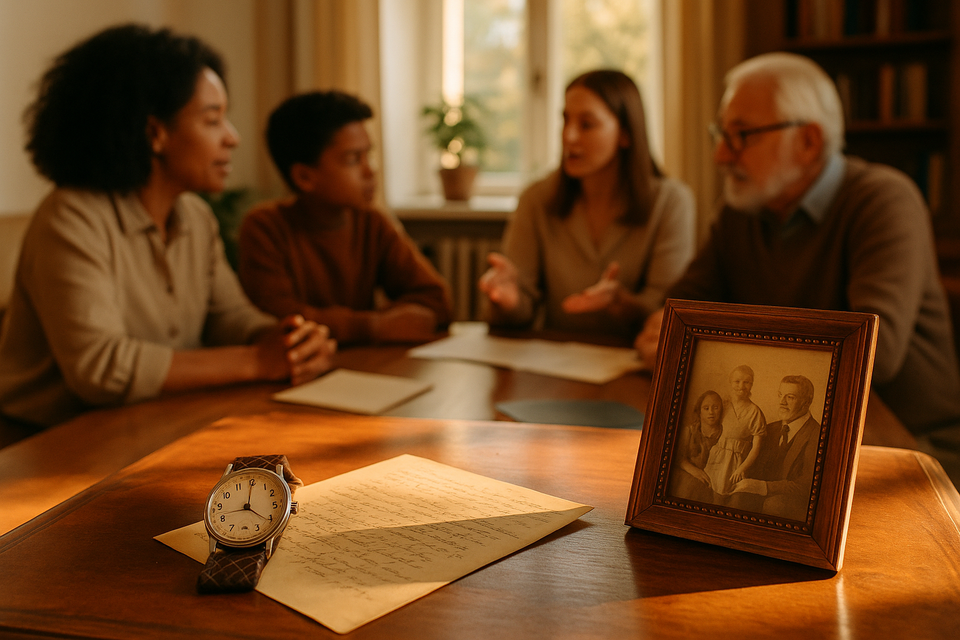
Imagine a family gathered in a warm, sunlit room, with each member—young and old—sharing their hopes for the future. The conversation turns to philanthropy, a cornerstone of their family's legacy. This isn't just a dream; it's a vision many families are embracing as they navigate the Great Wealth Transfer and aim to leave an indelible mark on the world.
The Power of Generational Philanthropy
Generational philanthropy isn't just about writing checks. It's about crafting a legacy that reflects a family's values and aspirations. Today, as the world's wealthiest families amass fortunes exceeding the GDP of most nations, there's an ever-growing opportunity to leverage this wealth for good. According to the 2026 RBC and Campden Wealth Report, over 65% of family offices are engaged in philanthropy, integrating family values into their giving strategies rather than treating them as separate efforts.
How to Start: Family Values as a Foundation
Every successful generational philanthropy begins with clearly defined family values. These values should guide the family's giving decisions and ensure that each donation aligns with long-term goals. For instance, a family committed to education might invest in scholarships and educational programs to make a sustainable impact.
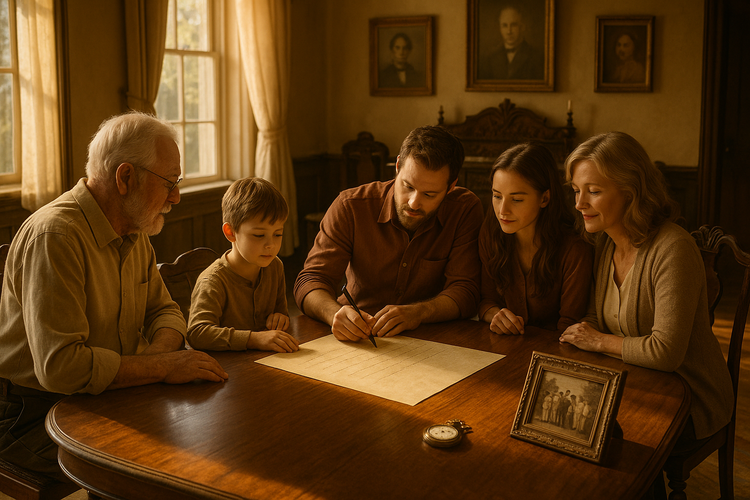
Consider regular family meetings to discuss philanthropic goals. These gatherings help members feel included and invested in the family’s mission and can be a powerful way to pass down and evolve family values over time.
Involving the Younger Generations
The future of philanthropic giving lies in engaging all family members, especially the younger generation. Despite perceptions, a survey by nonprofitpro.com reveals that Gen Z is actively interested in social causes, albeit in different ways than older generations might be accustomed to.
- Education and Exposure: Introduce younger family members to charitable activities early. Encourage them to volunteer and participate in site visits to see firsthand the impact of their contributions.
- Empowering Decisions: Involve them in decision-making processes. Allow them to choose causes they are passionate about, thus giving them ownership of the family's philanthropic legacy.
- Utilizing Technology: Digital platforms and social media can be powerful tools for engaging younger generations. They can share stories of impact and inspire their peers to participate.
Intelligent Giving: Leveraging Tools and Strategies
To maximize philanthropic impact, intelligent giving involves using strategic tools and frameworks. Donor-advised funds (DAFs) are a prime example. DAFgiving360™ notes that these funds have enabled donors to recommend over $55 billion in grants, making a significant dent in various social issues.
Moreover, integrating AI into philanthropic strategies can create efficiencies. As stated in a session at bbcon 2026, AI can enhance decision-making by predicting donation impacts and streamlining workflows, ensuring that every dollar is used effectively.
Case Studies of Successful Family Giving
Let's delve into examples of families successfully implementing generational philanthropy:
- The Gates Family Foundation: Known for its massive contributions to global health, the Gates family actively involves all members in decision-making processes. Their transparent approach has set a standard for others.
- The Rockefeller Philanthropy Advisors: This family has guided their giving through a well-structured philanthropic framework that aligns with their evolving values, providing grants that have empowered countless nonprofit organizations worldwide.
Building a Lasting Legacy
Building a family legacy is about more than financial success; it’s about making a meaningful impact. Incorporating philanthropy into your legacy can provide fulfillment and unity across generations. Research cited by MaxwellStrat shows that families engaged in multi-generational giving experience greater fulfillment and unity.
Ultimately, the legacy of intelligent giving is not just the donations made but the family culture that's created—a culture of stewardship, compassion, and vision. Embrace this opportunity with conscious intent, and your family's contributions will resonate beyond your immediate circle, into the communities and generations to come.