Curating Legacy Through Art: Building Family Traditions with Personal Collections
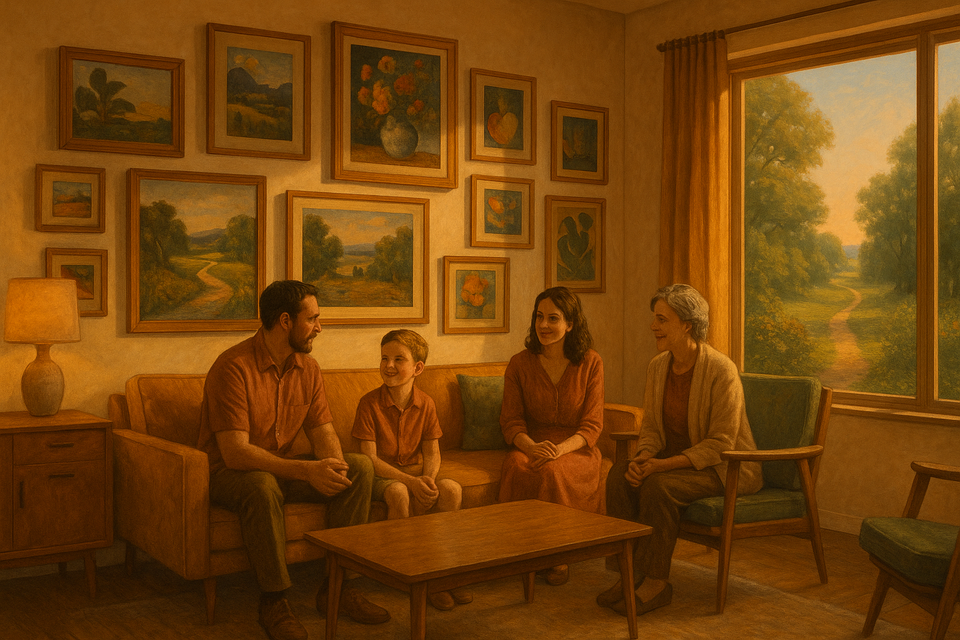
A family home's walls are not mere structures; they are canvases displaying stories, values, and identities. Imagine stepping into a home where each piece of art serves as a chapter in the family’s narrative, a legacy that speaks to both history and hope. This is the power of curating a legacy through personal art collections—a tradition that not only enriches homes but also secures a lasting heritage for future generations.
The Legacy of Art: More Than Decoration
Art has long been a vehicle for expression, reflection, and connection. However, its role within a family setting can transcend typical aesthetic appreciation. By thoughtfully curating art collections, families can create a visual narrative that conveys shared values and histories. This isn't merely about owning valuable pieces; it's about fostering a tradition that the family cherishes and evolves with over time.
Practical Steps to Start Your Collection
- Define Your Vision: Begin by articulating what you want your collection to represent. Is it a celebration of cultural heritage, a chronicle of family milestones, or an investment in emerging artists? Clarity in vision guides purposeful collecting.
- Engage with Experts: Consider consulting with art advisors who can offer insights into trends and artists aligning with your vision. They can also assist in authenticating works and ensuring value.
- Involve the Family: Encourage family members to participate in selecting pieces. This not only diversifies the collection but also fosters a sense of ownership and continuity across generations.
Art and Family Offices: A Strategic Approach
Family offices have recognized the potential of art collections as strategic assets. These offices are not only investing in art for diversification but are also shaping market trends (Source: fon.network). They understand that a well-curated collection can enhance a family's brand and serve as a tangible asset that appreciates over time.
Integrating Art with Investments
- Diversification: Art provides an alternative investment opportunity that can hedge against market volatility. It’s crucial to approach art with the same diligence as any other asset class.
- Legacy Planning: Align the collection with broader legacy goals. Art can act as a cultural and financial inheritance that bonds and benefits future generations.
Cultural Heritage and Personal Identity
Art can serve as a bridge between generations, a testament to a family’s cultural roots and evolution. For instance, the Palacio de Liria's exhibition demonstrates how art and architecture are intertwined with family legacy and cultural heritage (Source: russpain.com).
Establishing Family Traditions
Through art, families can establish traditions that celebrate their unique stories. Whether it's an annual gallery visit or a family art project, these traditions reinforce familial bonds and cultural identity.
Faith, Art, and Legacy
Faith plays a subtle yet profound role in how we perceive legacy. Art can serve as a spiritual reflection of beliefs and values. For instance, my family often gathers around a particular piece—a serene landscape that evokes peace and gratitude, reminding us of the beauty of creation and the stewardship we hold over our blessings.
Art as a Testament to Faith
- Symbolism: Choose pieces that resonate with your faith journey. Religious art, or even secular pieces that evoke spiritual contemplation, can be powerful symbols within the home.
- Charitable Engagement: Consider using art for philanthropic endeavors, such as auctions or exhibitions supporting faith-based initiatives.
A Legacy That Lasts
Building an art collection isn’t just about acquiring pieces; it’s about curating a living legacy that tells a story beyond the present. It’s an endeavor that requires intention, engagement, and a vision that spans generations. As stewards of our family’s heritage, we have the privilege and responsibility to craft something beautiful and enduring. Art becomes more than an asset; it becomes a testament to who we are and the values we wish to pass down.