Digital Legacies: Crafting a Family Archive That Bridges Generations
In an era where digital platforms dominate our daily lives, the concept of legacy has evolved beyond tombstones and photo albums. Families now have unprecedented tools at their disposal to curate and preserve their stories, ensuring that future generations remain connected to their roots. Crafting a digital family archive is not just about collecting data; it is a deliberate act of preserving culture, identity, and memory.
The Emotional and Cultural Impact of Digital Archives
For many families, the practice of maintaining a family archive transcends the practical aspect—it is an emotional journey. As reflected in the process of creating modern obituaries in places like Levelland, Texas, families engage in a collaborative effort to honor and remember their loved ones (source). This careful curation of stories and images can evoke a sense of continuity and belonging.
Digital archives allow for a dynamic representation of a family’s narrative. Unlike static printed photos or traditional obituaries, digital formats enable updating and expanding stories as new information and generations come into play. This fluidity helps in capturing the essence of a family’s evolving identity while respecting its historical roots.
Digital Transformation: From Paper to Pixels
Transitioning from physical to digital can seem daunting, but it is a rewarding step toward creating an enduring legacy. Start by digitizing physical photographs and documents. There are numerous apps and devices designed to make this process seamless. Consider starting with tools like Google Photos for organizing images or using Evernote to store and share documents.
Next, consider creating a dedicated website or digital repository for your family archive. This platform can house not only photos and documents but also audio recordings, videos, and personal narratives. It becomes a living document of your family’s history, accessible at any moment to any family member, anywhere in the world. Such platforms also offer interactive features, like comment sections or digital guestbooks, which can be instrumental in facilitating family collaboration and engagement.
Preserving Stories Through Multimedia
The use of multimedia in digital archives adds depth and color to family stories. Video interviews with older family members can capture their stories and personalities, preserving nuances that written words might miss. As noted in the trends from Given-Dawson-Paisley, digital guestbooks have become a significant part of modern memorialization, allowing families to share stories and memories in real-time (source).
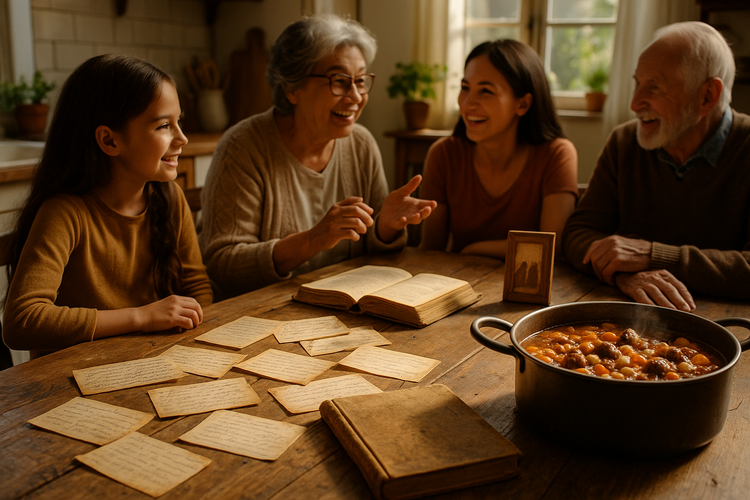
Creating these multimedia elements does not require professional equipment. Smartphones offer high-quality video and audio capabilities, suitable for recording interviews or capturing family events. Encourage family members to contribute, making the archive a collective effort rather than a solitary task.
Ensuring Privacy and Security
While digital archives offer many benefits, they also come with responsibilities, particularly regarding privacy and security. It’s crucial to establish clear guidelines about what information is shared publicly versus kept private within your family circle. Use password-protected platforms and consider employing encryption for sensitive data.
Regularly update your digital archive’s security settings as technology evolves. This proactive approach is akin to safeguarding family heirlooms—essential for protecting not just information, but the essence of your family’s legacy.
The Role of Technology in Bridging Generations
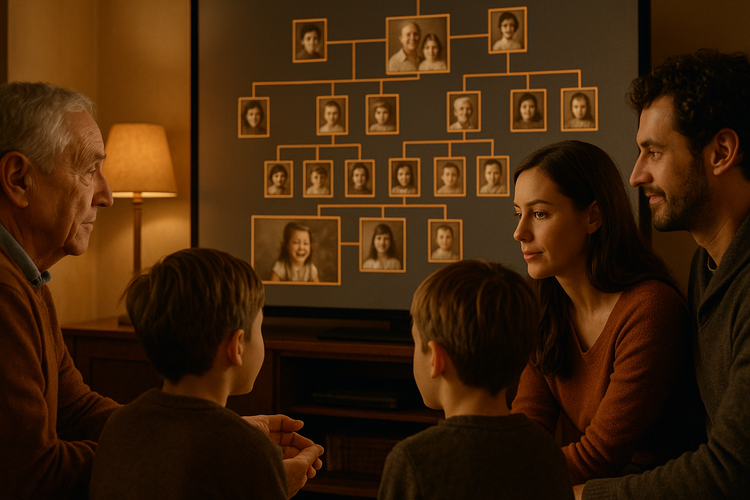
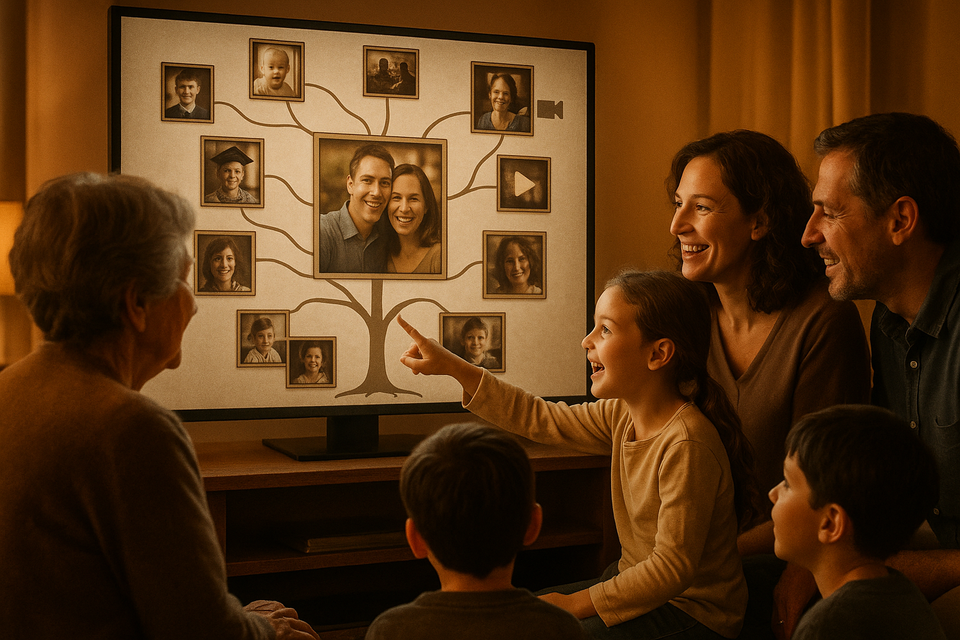
One of the most profound impacts of a digital legacy is its ability to bridge generations. As younger family members engage with the archive, they gain insight into their heritage, fostering a deeper understanding of their identity. Tools like interactive family trees and timelines can make this exploration engaging and educational.
Technology, like AI-powered facial recognition, may soon help in identifying individuals in old photographs, enriching the data within your archive. These advancements promise to make our digital legacies even more comprehensive and connected, a testament to the progress of both technology and family history preservation (source).
Creating a digital family archive is a powerful way to honor the past while embracing the future. It is a tangible expression of love and respect, ensuring that your family’s stories endure. As you craft this digital legacy, consider it not only a testament to those who came before but a gift to those yet to come—a bridge between generations.