Crafting a Legacy Through Culinary Arts: Creating Family Dishes That Tell Stories of Faith and Heritage
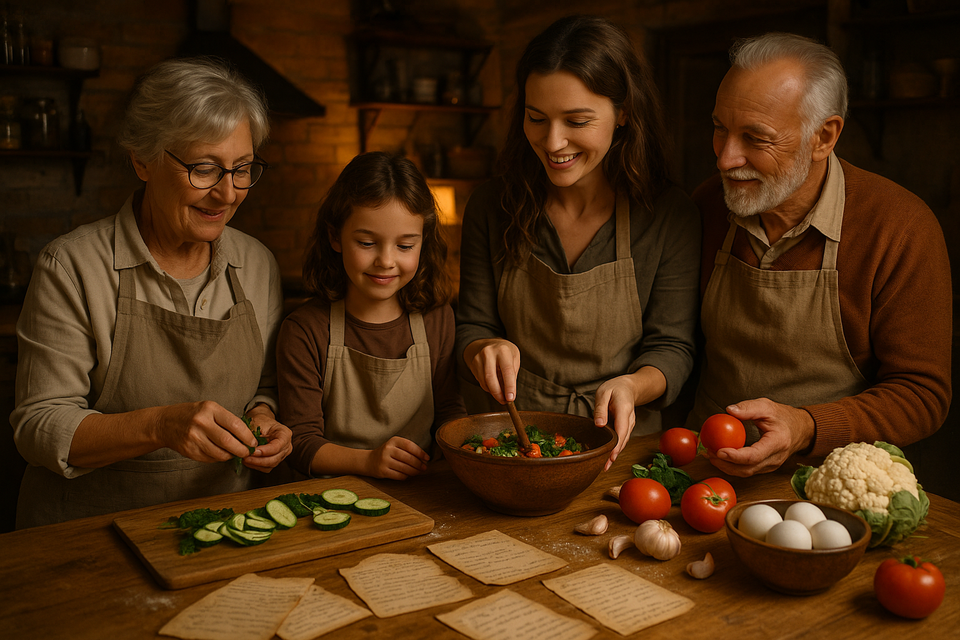
In the quiet hum of a family kitchen, where the aroma of spices dances through the air, lies an untold story—a legacy concocted from generations past and aspirations of the future. Culinary arts offer us a unique canvas to paint tales of faith, heritage, and shared experiences. Creating family dishes that tell these stories is not just about preserving recipes; it is about crafting a legacy, a heritage passed from heart to heart, plate to plate.
The Power of a Family Recipe
Family recipes are more than just instructions for meals; they are threads in the fabric of our identity. Consider the experience of preparing a dish that has graced your family’s table for decades—each ingredient a whisper of past celebrations, each stir of the pot a nod to those who came before. This isn't merely cooking; it's storytelling, where every taste and texture holds a piece of family lore.
In an article on Farm Progress, Elizabeth Hodges writes about the resurgence of interest in preserving family traditions and heirlooms, a sentiment that resonates deeply when we consider the culinary arts as a form of heritage preservation. Just as a hope chest might hold treasured fabrics, a family recipe contains flavors and memories that are cherished across generations.
Faith Infused in Every Meal
For many families, faith isn't just a belief system—it's a lifestyle that influences daily practices, including what we eat and how we prepare it. Faith can infuse our meals with deeper meaning, transforming a simple dinner into a celebration of gratitude and providence. When a family gathers around a dish that embodies faith-based values, it nurtures not just the body but the spirit.
Consider the biblical concept of breaking bread together. It signifies more than a meal; it represents communion, fellowship, and community. When we pass down recipes that have been served as acts of worship or in celebration of sacred events, we are doing more than sharing food. We are imparting spiritual lessons and fostering a legacy of faith.
Heritage and Culinary Innovation
While it is essential to preserve traditional recipes, there's also beauty in evolution and adaptation. As noted in a piece by HuffPost, culinary traditions are inherently flexible, reflecting individual experiences and familial stories. This adaptability is what keeps traditions alive and relevant.
By integrating new ingredients or techniques, we breathe fresh life into time-honored recipes, ensuring they remain a vibrant part of our culinary repertoire. This innovation doesn't dilute our heritage; rather, it enriches it, much like the dynamic cultural exchanges that have historically shaped the culinary world.
Creating Culinary Experiences that Last
In today's experience-driven economy, dining has become more than consuming food—it's about creating memorable moments that people share and savor. According to InsightTrendsWorld, experiences create stories, not just memories. By crafting family dishes that tell stories, we invite loved ones to partake in a shared narrative that extends beyond the dining table.
Hosting family gatherings where these recipes are prepared and consumed can turn meals into milestones. Such experiences are likely to be talked about and remembered, forming the cornerstone of family history.
Building a Legacy of Generosity and Stewardship
As we create and share family dishes, there is an opportunity to weave in principles of generosity and stewardship. Passing on recipes can be a form of philanthropy, where the currency isn't money but memory and identity. Moreover, by teaching younger generations the value of ingredients and the labor behind each meal, we instill a sense of responsibility and appreciation for the resources that sustain us.
This concept aligns with my perspective that true success is measured not just by the wealth we accumulate but by the values and traditions we impart to others. In the kitchen, we have the chance to teach lessons on generosity and stewardship that will echo through generations.
Crafting a legacy through culinary arts is a journey of faith, family, and flavor. Each dish served is a chapter in a story that we are writing with our lives, imbued with the richness of our heritage and the warmth of shared experiences. As we gather around the table, let us celebrate the dishes that nourish our bodies and bind our souls in legacy.