The Family Recipe Bank: Preserving Culinary Traditions to Nourish Generational Bonds
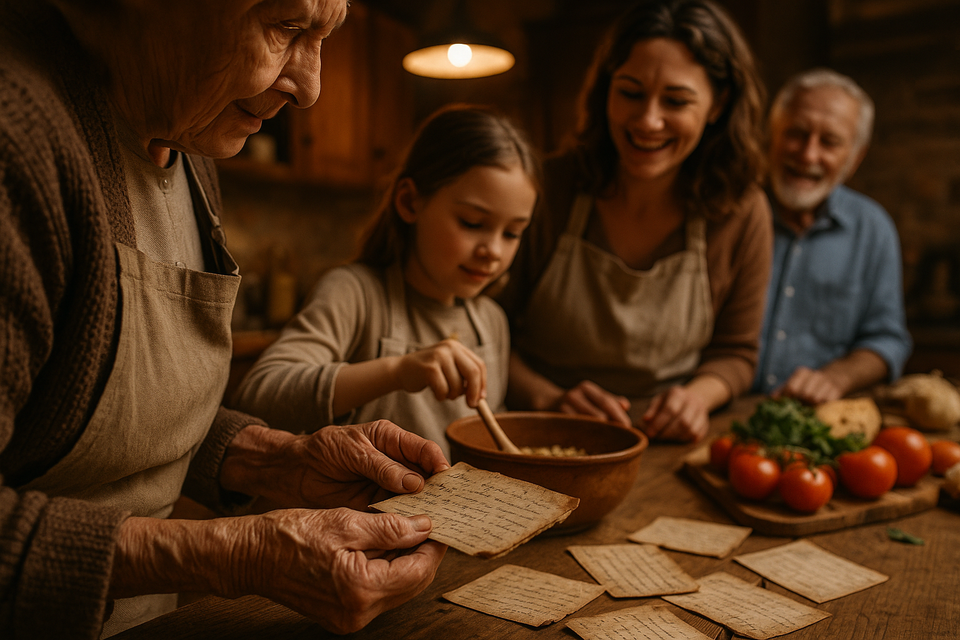
In an era where technological advancements are reshaping our lives daily, the comforting aroma of a family dish can ground us in the timeless traditions of the past. These recipes, passed down through generations, do more than fill our stomachs—they bind us together, offering a taste of our lineage and a reminder of the connections that define us.
The Power of Culinary Traditions
Family recipes are more than mere instructions for preparing food. They're cultural artifacts that preserve history and heritage. Just as a hope chest can become a vessel for heirlooms, a recipe bank can safeguard the culinary stories of our ancestors [1]. These recipes are a testament to the resilience and adaptability of previous generations, who often used ingredients at hand to craft meals that nourished both body and soul.
In today's world, where consumer trends are shifting towards 'neo-nostalgia,' blending traditional elements with innovative ingredients is becoming increasingly appealing [4]. The fusion of old and new in culinary traditions can revitalize family recipes, making them relevant for a new generation while preserving their essence.
Building a Family Recipe Bank
Creating a family recipe bank is an intentional process that can strengthen familial bonds and ensure the preservation of cherished culinary traditions. Here’s how you can start:
- Collect & Document: Begin by gathering recipes from family members, focusing on both everyday meals and special occasion dishes. Document not only the recipes but also the stories behind them. What was the occasion? Who taught whom? These narratives add depth and meaning beyond the ingredients.
- Digitize & Preserve: Once collected, digitalize these recipes. Use cloud-based solutions to ensure they are accessible to all family members, no matter where they are. This method also prevents loss due to physical damage or misplacement.
- Share & Celebrate: Organize family gatherings centered around cooking and sharing these recipes. Consider recording these events to capture the sights and sounds of your family in action. This practice not only honors past traditions but also creates new memories to be cherished by future generations.
Reviving and Innovating Family Recipes
While preserving original recipes is important, breathing new life into them can make them more appealing to younger family members. This approach mirrors the trend of adventurous comfort food, where traditional recipes are given a modern twist to fit contemporary tastes [4].
Consider incorporating global flavors that resonate with your family’s heritage or pique their interest. As noted, flavors like Guajillo or new cooking techniques can transform a simple dish into something extraordinary, fostering a deeper connection to both the past and the present [6].
The Impact on Generational Bonds
Family recipes carry with them the power to connect generations in meaningful ways. A shared meal becomes a shared history, where stories of resilience and love are handed down with every bite. This tradition counters the adage that wealth, unaccompanied by values and stories, tends to dissipate by the third generation [2]. In contrast, food, as a shared experience, reinforces familial and cultural continuity.
Furthermore, cooking together encourages collaboration and teaches valuable life skills, from budgeting to nutrition. Such gatherings are opportunities for grandparents to impart wisdom and for younger family members to share their unique perspectives, ensuring a dynamic exchange across generations.
Translating Tradition to Philanthropy
Beyond personal enrichment, the act of preserving and sharing family recipes can extend into the community. Consider hosting community events that highlight your family's culinary traditions, inviting others to share theirs. This exchange not only enriches your family’s recipe bank but can also inspire philanthropy, akin to storytelling in philanthropic ventures [8].
Such initiatives create networks of shared understanding and appreciation, fostering a sense of belonging that transcends individual families to embrace whole communities.
The legacy we leave behind is not solely in material wealth but in the values, stories, and traditions we pass to the next generation. Food, as a universal language, offers a unique medium to convey these elements. By investing in a family recipe bank, we not only preserve culinary traditions but also fortify the generational bonds that make our families resilient and enduring.