Real Estate Reverence: Developing Properties with Spiritual Significance and Community Impact
In an era where buildings rise at the blink of an eye, the true essence of real estate development often risks being overshadowed by sheer scale. But what if we could infuse our architectural endeavors with spiritual depth and community consciousness? Imagine a landscape where every brick laid contributes not just to a skyline but to the soul of a community. This is the vision of real estate reverence—developing properties with spiritual significance and community impact.
Beyond the Physical: Building with Purpose
Real estate development is more than construction; it's about crafting spaces that resonate deeply with those who inhabit them. The mission of MCB Real Estate encapsulates this vision. By focusing on relationships over transactions, MCB underscores the importance of creating assets that serve communities and strengthen social fabrics. Their approach to development is not merely about financial metrics but about delivering solutions that elevate the collective experience (source).
Aligning Development with Community Needs
Developers can achieve significant community impact by aligning projects with local needs and values. Consider the strategy of integrating community spaces within residential and commercial developments. These spaces act as catalysts for community bonding and foster a sense of belonging. MCB Real Estate's recent projects, such as Post Commons and Cobbler Crossing, exemplify this. By creating grocery-anchored retail environments, they cater to essential community needs, enhancing accessibility and convenience.
Creating Multi-Purpose Spaces
One effective approach is designing multi-purpose areas that can transition from community gatherings to educational workshops or spiritual retreats. These spaces not only enhance the property's utility but also invite diverse community interactions. The flexibility and adaptability of such areas allow them to serve evolving community demands, ensuring long-term relevance.
Integrating Spiritual Elements in Design
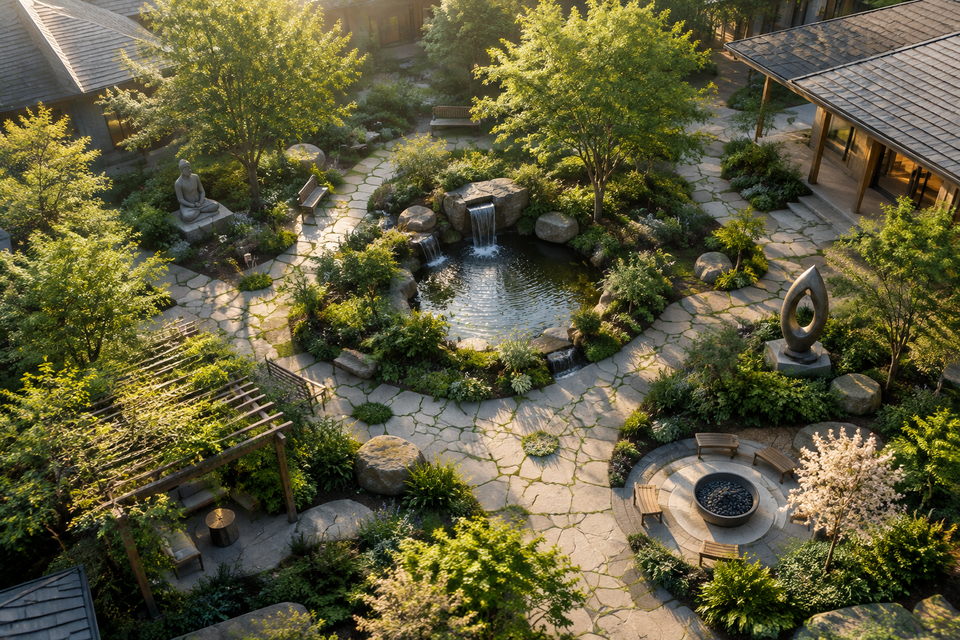
Spirituality in real estate isn't about overt religious symbols; it's about infusing spaces with meanings that inspire reflection and connection. Developers can integrate subtle spiritual elements through architectural design, landscaping, and art installations. These elements can evoke peace, contemplation, and community coherence.
Using Natural Elements to Foster Connection
Incorporating natural elements like water features or green spaces can profoundly impact a property's ambiance. These elements not only enhance aesthetic appeal but also provide serene environments conducive to spiritual reflection and community gatherings. Developers can draw inspiration from historical architectural styles that incorporate courtyards and gardens as communal spiritual havens.
Case Studies: Success Stories in Community-Focused Development
Examining real-world examples provides valuable insights into successful community-oriented developments. The median sales price of new houses, as reported in late 2026, illustrates the economic environment developers operate within (source). However, prices alone don't dictate project success; community integration does.
Learning from Successful Developments
In San Francisco, projects that prioritize community-driven designs have shown that tailored solutions outperform generic approaches. The city's AI-led multifamily recovery illustrates the importance of understanding specific community needs and preferences (source). Developers can replicate this success by engaging with local stakeholders early in the planning process, ensuring developments reflect the community's unique character and aspirations.
Long-Term Impact: Legacy Through Real Estate
The ultimate goal of real estate reverence is to create legacies that extend beyond financial returns. Such projects contribute to the cultural, spiritual, and social tapestry of communities, fostering environments where future generations can thrive. By prioritizing long-term impact over short-term gains, developers become stewards of places that nurture human connection and resilience.
In closing, real estate with reverence invites us to rethink development as a sacred duty. It challenges us to mesh practicality with purpose, leaving behind monuments that speak of our values and vision. As we build, we are called to weave threads of faith, community, and legacy into the very fabric of our constructions, ensuring that what we create today will enrich lives for decades to come.