AI and Artisanal Craft: How Technology Can Enhance Heritage Trades Without Losing Touch
Picture an artisan painstakingly crafting a single piece of pottery, the wheel spinning rhythmically under their expert hands. This image, steeped in history and tradition, seems almost untouched by the forces of modern technology. Yet, as with so many aspects of life, artificial intelligence (AI) is starting to weave its way into these age-old crafts. But the question remains: Can we embrace this technology without losing the soul of what makes these crafts special?
The Unlikely Pairing of AI and Artisanal Craft
At first glance, technology and traditional crafts might seem worlds apart. However, AI's ability to augment human creativity is becoming an ever-greater force across industries. For instance, the use of AI in the fashion industry, a $1.8 trillion market, demonstrates its capacity to offer powerful tools for design innovation and efficiency [3].
In the realm of handcrafted goods, AI can assist by handling repetitive tasks or providing new insights into design possibilities. By analyzing vast databases of historical design patterns, AI can suggest novel combinations, enabling artisans to explore creative avenues they might not have considered.
Case Study: The Fusion of 3D Printing and Traditional Pottery
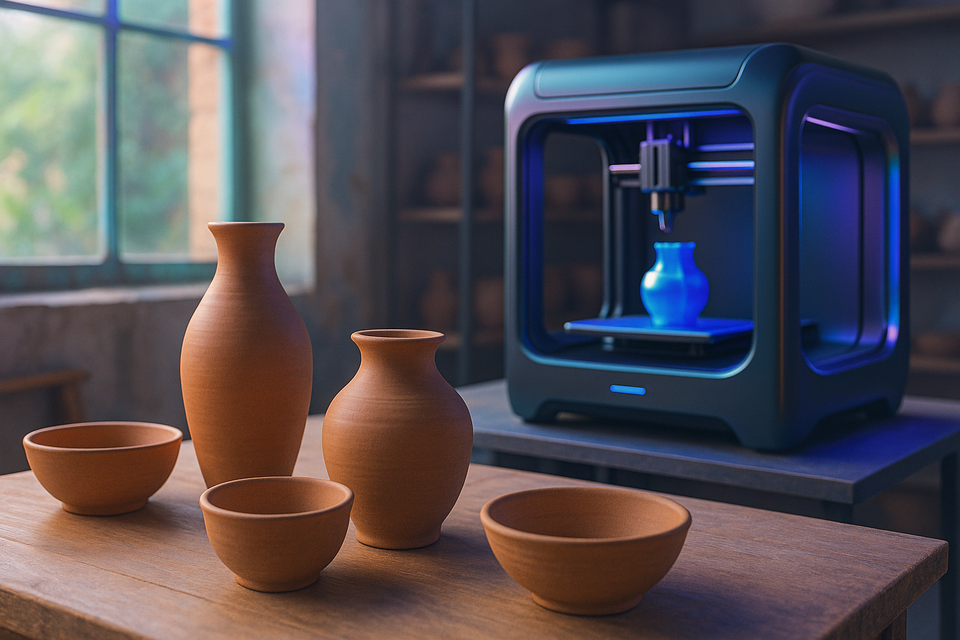
The surge in 3D printer exports, which increased by over 120% in both value and volume, is a testament to the growing intersection of technology and craft [1]. Consider a ceramicist who has spent decades honing their skills. With AI-driven 3D printing, they can produce prototypes or small-batch runs of intricate designs that would be impossibly time-consuming by hand.
This doesn’t mean replacing the potter's wheel; instead, it augments the artisan’s ability to bring unique visions to life, offering a balance between efficiency and creativity.
Preserving Craftsmanship in the Digital Age
The fear that AI might erase the human touch in crafts is valid. However, the key is intentional integration. Just as a master craftsman might select specific tools for particular tasks, AI should be seen as another tool in the artisan’s kit. This requires a thoughtful approach, ensuring that technology enhances rather than overshadows the craftmanship.
My own experience working with artisans has taught me the importance of respecting the craft's legacy. In my ventures, blending tradition with innovation has always been a delicate balance. It’s about asking: How can technology serve this craft, rather than how can this craft serve technology?
Practical Steps for Artisans Embracing AI
- Start Small: Begin with AI tools that assist in research or design, allowing time to explore their capabilities without overwhelming change.
- Collaborate with Technologists: Partner with tech experts who understand the value of your craft. This relationship can facilitate a more seamless integration of AI into your processes.
- Focus on Education: Take courses or attend workshops on digital design and AI applications in crafts. Continuous learning keeps you at the forefront of innovation.
- Embrace Customization: Use AI to offer more personalized products. This can enhance customer engagement and create unique selling points.
AI in the Service of Craft Legacy
The ultimate goal is not to replace artisans but to bolster their capacity to meet modern demands while preserving the authenticity of their crafts. AI should be a partner in innovation, providing new pathways without diminishing the rich heritage of artisanal trades.
Heritage Auctions has shown that there is a thriving market for both traditional and contemporary collectible items [2]. This suggests that the intersection of modern technology and traditional craftsmanship can create new market values, marrying the old with the new.
As we stand on the precipice of a technological revolution in artisanal crafts, the choices we make today will shape how these trades evolve. Let us choose to honor the legacy of craftsmanship, using AI as a tool to elevate these cherished traditions. In doing so, we ensure that these crafts not only survive but thrive in the digital age, crafting a legacy that is both timeless and forward-looking.