Digital Storytelling: Crafting an Online Family Legacy Vault
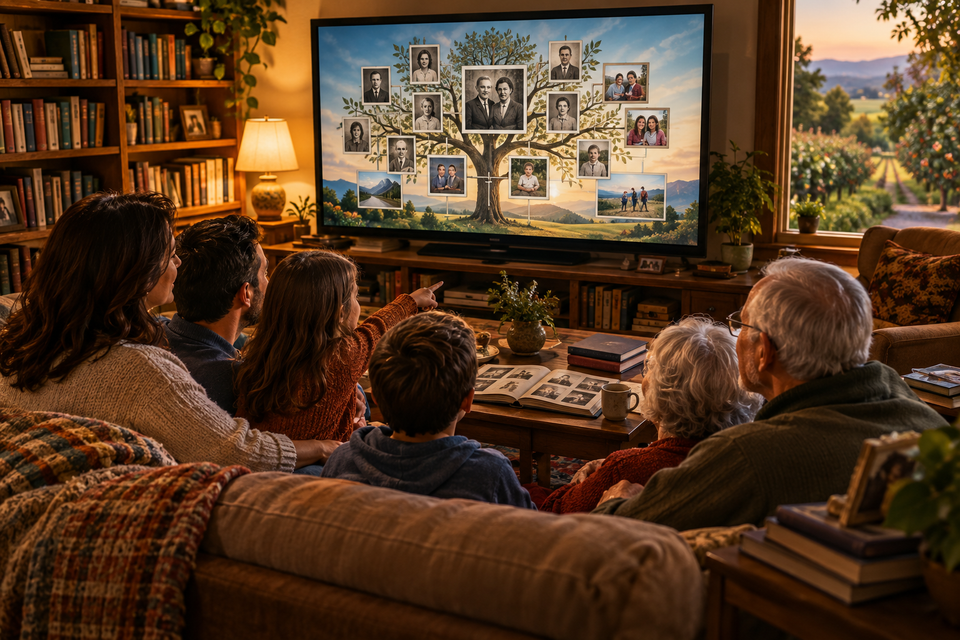
In an age where most of our life's moments are captured and stored digitally, crafting a digital family legacy is more attainable—and critical—than ever. Imagine an online vault where your family's history is preserved for future generations, a place where stories, photos, and documents converge into a lasting legacy. This is not just a digital archive, but a curated collection that speaks to who your family is and what you stand for. As we delve into the art of creating an online family legacy vault, we'll explore practical steps, challenges, and the tools that can help make this a reality.
Why a Digital Legacy Vault?
Before diving into the how, let's consider the why. Our digital footprints are everywhere—social media, emails, cloud storage. Yet, when it comes to legacy, much of this remains fragmented. A digital legacy vault offers a cohesive, intentional way to preserve and share family history. According to Evaheld’s Legacy Vault, it's about more than memory safety; it’s an opportunity for creative expression and crafting an intentional digital imprint that captures whole-person remembrance.
Steps to Build Your Digital Family Vault
Creating a digital legacy vault involves careful planning and execution. Here’s a roadmap to guide you:
1. Define Your Vision
Start by envisioning what you want your digital legacy to look like. What stories and values do you wish to pass down? This vision will serve as your guiding star throughout the process.
2. Gather and Digitize Content
Collect photographs, letters, videos, and other memorabilia. Use digital tools like scanners for photos and documents. The goal is to centralize everything in a digital format for easy access and preservation. Resources like the Digital Preservation Guide provide tips on how to effectively digitize and organize your materials.
3. Choose a Platform
Platforms like Evaheld’s Legacy Vault offer robust options for storing and curating your family’s stories. Look for platforms that ensure data security and offer easy navigation. Explore various platforms to find one that best fits your family's needs in terms of storage capacity and accessibility.
4. Curate Your Content
Organize your content into sections or themes. This could be chronological, thematic, or based on family branches. A well-structured archive makes it easier for future generations to navigate and appreciate the stories.
5. Engage Family Members
Involve your family in the process. Encourage relatives to contribute stories and memories. This not only enriches the archive but also fosters a sense of belonging and shared history. Consider using collaborative tools that allow family members to upload and comment on content.
6. Maintain and Update Regularly
A digital legacy isn’t static. Schedule regular updates to add new memories and ensure the content remains relevant. Protect your digital vault with secure passwords and consider using backup solutions to safeguard it against data loss.
Tools and Platforms for Digital Storytelling
While platforms like Evaheld are at the forefront of digital legacy creation, several other tools can complement your efforts:
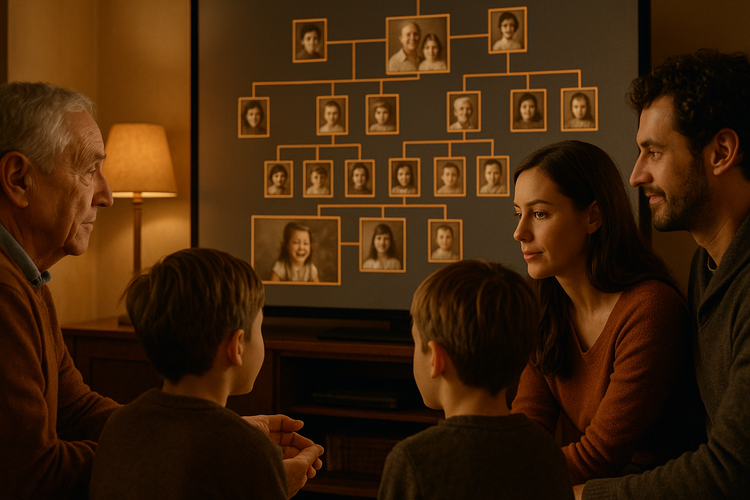
- Ancestry.com: Offers family tree building and historical records searching.
- FamilySearch.org: Provides a collaborative tree model and digitized records database.
- StoryCorps: Facilitates recording and preserving personal stories.
These resources can help enrich your digital vault by adding layers of historical context and personal narratives.
Overcoming Challenges in Digital Legacy Creation
Creating a digital family legacy vault isn't without hurdles. Here are some challenges and solutions:
1. Emotional Fatigue
The process of sifting through family memories can be emotionally overwhelming. According to Counseling.org, it’s important to practice self-care and take breaks when necessary. Encourage family members to share the workload to prevent burnout.
2. Privacy Concerns
When storing sensitive family information, privacy is paramount. Choose platforms with strong security measures and educate family members about privacy settings and data protection protocols.
3. Technological Barriers
Not everyone is tech-savvy, and some family members may find digital tools challenging. Offer tutorials or simplify the process with user-friendly platforms to ensure inclusivity.
The Role of Faith and Legacy
For many families, faith plays a central role in their legacy. Integrating faith-based values and stories can add depth and meaning to your digital archive. This could be as simple as including stories of faith-driven decisions or documenting family traditions and celebrations tied to religious beliefs.
In crafting your digital legacy, consider it a journey of both preservation and discovery. It’s an exercise in understanding where your family has come from and how its values and stories will shape future generations. In doing so, you create not just a vault of memories, but a testament to the enduring nature of family and faith.