Framing Eternity: How Architecture Can Embody Family Values for Generations
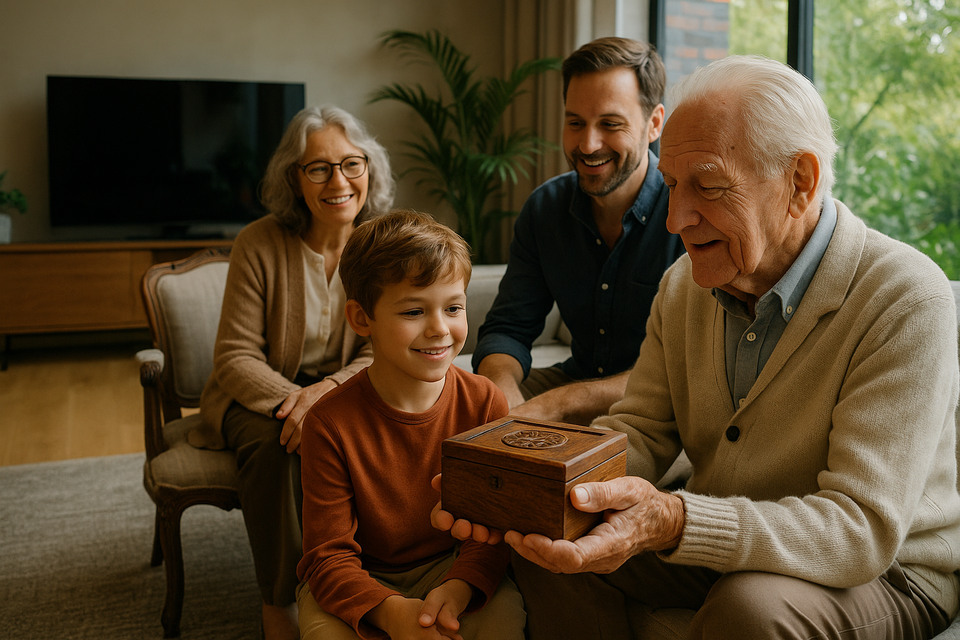
There’s an art to designing homes that do more than shelter us from the elements. A truly extraordinary home can embody and perpetuate the values its inhabitants hold dear. Imagine walking into a house that doesn’t just tell a story of where you live, but also of who you are—and what you aspire to pass down through generations.
Family Values in Architectural Design
When considering architecture that embodies family values, we’re not just talking about aesthetic appeal. The family home can be a powerful symbol of unity, tradition, and continuity. For example, the integration of multi-generational living spaces allows families to stay connected while respecting each member's privacy needs.
Consider how the use of sustainable materials and building practices, such as those employed by ART Architects in their net-zero homes, reflects a commitment to stewardship and care for God’s creation. According to Fred Albert at Forbes, these homes marry tradition with cutting-edge technology, offering both environmental responsibility and luxury living (source).
The Role of Natural Elements
The growing trend towards incorporating natural pools in luxury backyards exemplifies a broader desire to harmonize with nature rather than override it. These pools serve not only as aesthetic features but as functional, eco-friendly components of the living environment. According to Ynetnews, this shift represents a movement towards using natural elements to create spaces that foster family connection and relaxation (source).
A house that celebrates nature can be a daily reminder of the values of simplicity and appreciation for creation, echoing the biblical notion of living in harmony with the world around us.
Modern Heritage: Blending Old with New
The revival of Americana design, as highlighted by Builder Magazine, illustrates a seamless blend of heritage and contemporary styles. The use of heirloom pieces alongside modern amenities creates an environment that feels both nostalgic and current (source).
This blend of old and new not only enhances aesthetic appeal but also roots the home in historical continuity, providing a physical manifestation of legacy that resonates through the walls.
Creating Spaces for Legacy and Community
Architecture as an expression of legacy often involves creating community-centered spaces that uphold family values. In senior living design, for instance, the integration of hospitality principles emphasizes emotional connection and intuitive living spaces. As discussed by Lindsay Straatmann in Building Design + Construction, this approach merges comfort with community, making homes spaces of welcome and belonging (source).
Such designs encourage gathering and relationship-building, vital components of a lasting family legacy.
Integrating Technology with Tradition
In a world increasingly driven by technology, the challenge is to incorporate these advancements while preserving the warmth and character of traditional design. Dizign Limited’s focus on human identity in interior design showcases how these elements can coexist without sacrificing individuality or heritage (source).
Homes equipped with smart technology that respects privacy and enhances living convenience can symbolize a commitment to both progress and personal values.
Ultimately, when we consider architecture as a vessel for family values, we create homes that do more than stand the test of time—they resonate with the hopes, dreams, and principles of those who inhabit them, offering a legacy that endures for future generations.