Under One Roof: Designing Multi-Generational Homes That Foster Connection and Legacy

In a world where the pace of life often pulls us apart, the sanctuary of a multi-generational home is a powerful antidote. It's a place where connections deepen, legacies are nurtured, and every room tells a story of familial bonds. Designing such a home goes beyond aesthetic appeal; it involves creating spaces that adapt to life's changes while resonating with purpose and heritage.
The Essence of a Multi-Generational Home
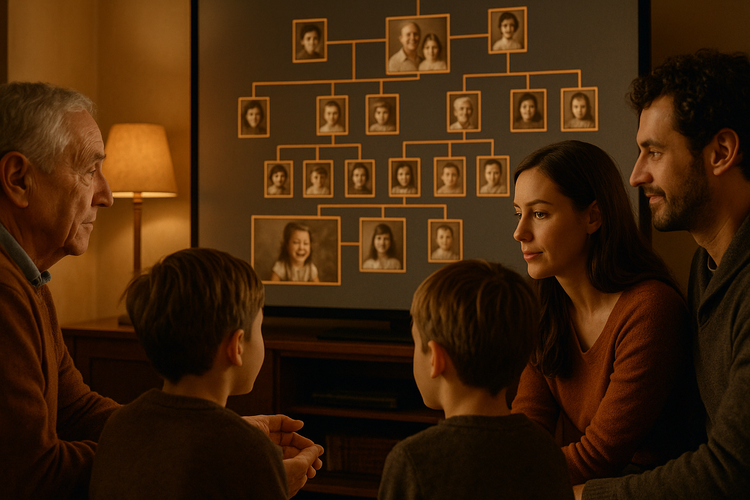
A multi-generational home isn't just a collection of rooms but a tapestry of lives interwoven across generations. It reflects a blend of privacy and togetherness, allowing each family member to maintain their individuality while fostering collective harmony. As Sarah Walker notes, homes today are evolving to support not just aesthetics, but the well-being and longevity of all who dwell within them.
Designing for Accessibility and Comfort
Accessibility is paramount when crafting a home for all ages. According to Kitchen & Bath Business, a mere 4% of homes currently offer essential features for accessibility, like single-floor living, no-step entries, and wider doorways. Embracing these design elements ensures that aging family members can navigate their home with dignity and ease, while also providing a safe environment for young children.
Legacy Through Design Choices
Designing a home that stands the test of time requires a focus on legacy. According to insights from Randy Solakian Estates Group, luxury in 2026 lies in creating spaces that are not just beautiful but meaningful. This involves sustainable practices, personal expressions, and artisanal details that reflect a family's heritage and values.
Case Study: The Pacific Northwest Approach
In the Pacific Northwest, where nature and architecture harmoniously blend, homes are designed with adaptability in mind. As Sarah Walker's article highlights, these homes evolve with their occupants, supporting life's transitions quietly and elegantly. Imagine a home where a grandmother's quilting room transforms into a vibrant play area for grandchildren, or a cozy study becomes a sanctuary for meditation and reflection.
Financial Wisdom: Investing in Legacy Properties
Legacy properties offer a unique financial opportunity. As highlighted by KVIA, investing in land already owned by the family is a strategic move that compounds wealth over generations. The impact of grandparental wealth is significantly higher than that of parental assets, underscoring the importance of thoughtful estate planning and investment.
Building for Future Generations
Creating a multi-generational home is an act of stewardship. It's about crafting a space that not only serves the current family but also paves the way for future generations. This aligns with a faith-driven view of stewardship—taking care of what has been entrusted to us, for the benefit of those who will walk in our footsteps.
Fostering Connection Through Shared Spaces
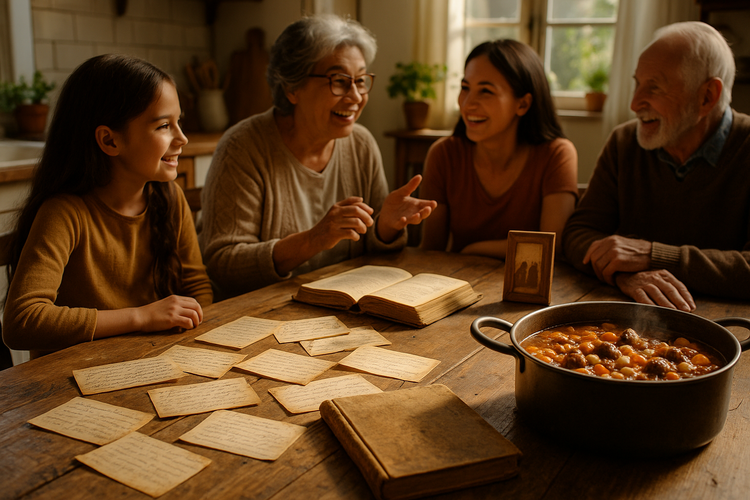
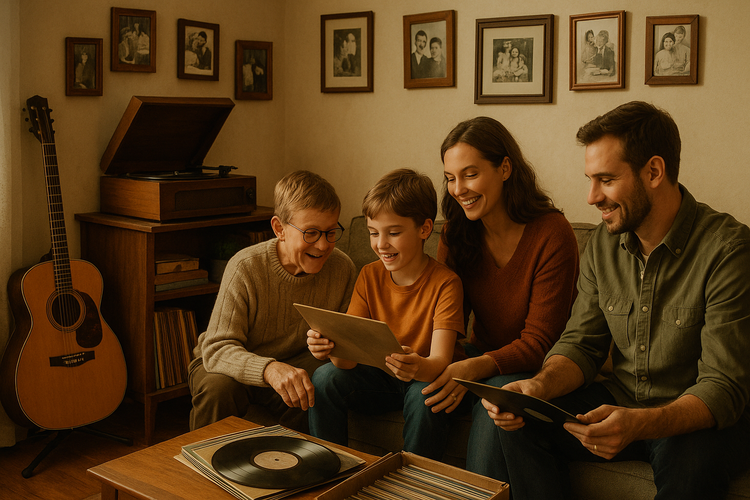
At the heart of a multi-generational home are shared spaces that encourage family interaction. Whether it's a large dining room for shared meals or a cozy living room for storytelling, these areas are the soul of the home. As noted by Worth, the key to family harmony often lies in clear communication and shared vision. A home designed with this in mind becomes a place where stories are told, laughter is shared, and legacy is woven into the fabric of daily life.
Concrete Steps for Building Your Multi-Generational Home
For those considering building or remodeling a home to accommodate multiple generations, here are practical steps to consider:
- Engage with a skilled architect: One who understands the nuances of multi-generational living.
- Prioritize accessibility: Incorporate features like wide doorways and no-step entries.
- Design adaptable spaces: Create rooms that can evolve as family needs change.
- Focus on legacy: Use sustainable materials and incorporate family heirlooms into the design.
- Maintain open communication: Ensure all family members are involved in the planning process to avoid misunderstandings.
By following these steps, you can create a home that doesn't just house your family but brings them closer, strengthening bonds and building a legacy that will endure through the ages.
As we design these homes, we are reminded of the biblical principle of building on a solid foundation. Each choice—whether a material selection or a layout decision—should reflect our values and the legacy we wish to leave. With intention and care, we can create spaces that not only meet our needs but also serve as a testament to our family's story, capturing the essence of who we are and what we cherish.