Timeless Tables: Crafting a Legacy Through Family Dining Rituals That Endure
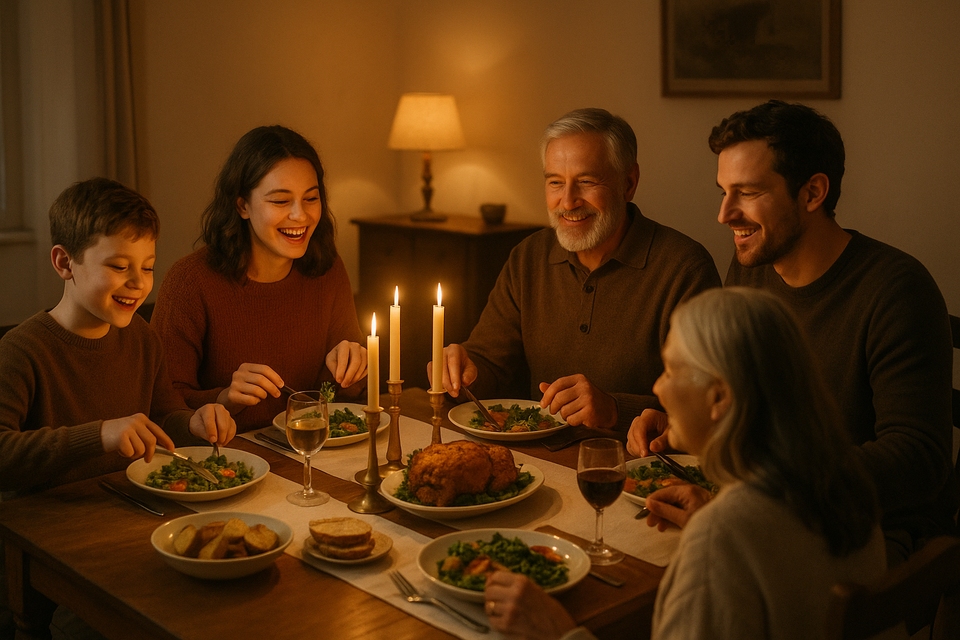
Imagine a dining table not just as a piece of furniture, but as a living testament to the bonds of family, tradition, and legacy. It's at this table where stories are shared, plans are made, and wisdom is passed down. In a world where digital interactions often outpace face-to-face connections, the act of gathering around the table holds immense potential for fostering familial ties and crafting a legacy that transcends generations.
The Ritual of Dining Together
Dining rituals are more than just meals; they are transformative experiences that shape family dynamics. The latest dining trends emphasize immersive experiences that can be applied to family gatherings as well. According to Total Food, restaurants have capitalized on this by creating theatrical dining settings. Families can take a page from this playbook by turning their meal times into memorable events. Whether it’s a simple Sunday dinner or a festive holiday feast, the intention and energy you bring to the table matter.
Creating Intentional Spaces
A well-set table can be a canvas for family conversations and bonding. It’s not about opulence but about creating a space that invites warmth and engagement. This could mean setting aside special dishware for family meals or incorporating family heirlooms and meaningful objects into the dining space. The MediaPost article highlights that while affordability is crucial, the quality and emotional resonance of dining experiences hold significant value.
The Role of Tradition in Modern Times
Tradition provides a framework within which families can build their legacy. It serves as a reminder of heritage and continuity. However, it’s equally important for these traditions to evolve alongside family dynamics. For instance, incorporating digital tools to connect with distant relatives or integrating modern culinary practices can breathe new life into old traditions. The Financial Times discusses how dining experiences are adapting to meet generational expectations, a principle that can be mirrored in family settings.
Incorporating New Generations
As new generations like Gen Z and Gen Alpha grow, they bring unique perspectives and preferences to the table. According to Builder Magazine, understanding these generational shifts is essential for aligning traditions with contemporary values. For instance, involving children in meal preparation or decision-making about family meals can increase their engagement and investment in family traditions.
Culinary Craftsmanship and Its Impact
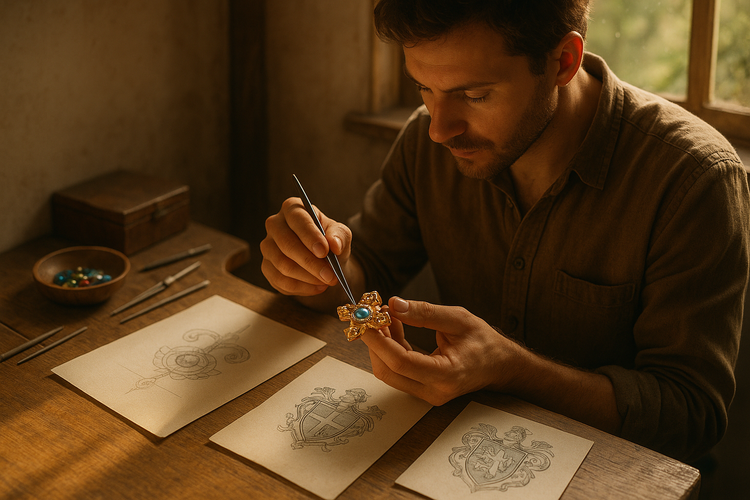
Just as an artisan meticulously crafts a piece of art, so too can family meals be crafted with care and attention. The art of cooking itself can be a powerful narrative of legacy and craftsmanship. Sharing family recipes or experimenting with new ones allows for creativity and exploration while maintaining a connection to the past.
Cooking as a Legacy Activity
When families cook together, they are not just nourishing their bodies but also their spirits. It’s an opportunity to impart skills and create memories that last a lifetime. The act of passing down a beloved family recipe can be a legacy in itself, symbolizing the transfer of knowledge and love across generations.
Faith and Family at the Table
For many, faith plays a central role in family gatherings. Grace before meals, sharing reflections, or discussing core values during dinner can subtly weave faith into everyday rituals without being overt. This integration of faith can reinforce a family’s identity and purpose, grounding them in values that transcend the temporal.
Building a Spiritual Legacy
Sharing stories of faith or discussing moral lessons over dinner can provide children with a moral compass and a sense of belonging. It can help them understand where they come from and who they can aspire to be. Uniting faith with daily rituals fortifies the family unit and engrains a sense of purpose and direction.
Practical Steps to Begin This Week
To start crafting your own legacy through dining rituals, focus on these practical steps:
- Set a regular family meal time: Choose a day or two each week where everyone is expected to be at the dinner table.
- Involve everyone: Assign meal preparation tasks to different family members, fostering teamwork and shared responsibility.
- Create thematic dinners: Whether it’s a cultural night or a seasonal celebration, make meals special by adding themes.
- Integrate technology wisely: Use technology to include distant relatives but keep it away from the table to encourage face-to-face interactions.
- Reflect and give thanks: Start or end meals with a moment of gratitude or a reflection on the day.
As you gather around your table, remember that every meal is an opportunity to reinforce the bonds of family and to craft a legacy that endures. It is more than just the food on the plate; it is the love, stories, and faith shared that truly nourish the soul.