Sculpted Stories: Designing Family Monuments That Celebrate Heritage and Faith
Family monuments stand as silent witnesses to our lineage, heritage, and beliefs. They are not just stone structures or memorial pieces; they are stories etched in granite, whispers of the past immortalized in sculptures, and eternal symbols of legacy and faith. Crafting a monument that embodies these elements requires a blend of architectural genius, artistic flair, and a deep understanding of the narrative it seeks to convey.
The Art of Storytelling Through Design
At its core, designing a family monument is an exercise in storytelling. Just as interior design can narrate a story through space and materials, so too can monuments articulate a family's journey through time. These structures should reflect both personal and collective histories, weaving together threads of identity, culture, and faith.
Consider the Perot Family Offices in Dallas as an example, where local materials and site-specific artwork create a space that feels aligned with the family’s values and history. Such thoughtful integration of material and narrative ensures that the space feels intrinsically tied to its story, a lesson that can be applied to designing monuments as well.
Material Choices That Speak Volumes
The choice of material in building monuments is not merely a practical decision; it is symbolic. Each material tells its own story and contributes to the overarching narrative of the monument. Granite, for instance, is a testament to strength and endurance, making it a popular choice for monuments that aim to last generations.
In Agra, the art of marble inlay, as noted in a documentary on traditional artisans, reflects both heritage and unparalleled craftsmanship. The artisans’ work, though underappreciated in modern contexts, tells a rich story of cultural history and artistic dedication. By choosing materials linked to a family’s cultural roots, monuments can serve as tangible connections to heritage.
Integrating Faith: A Subtle Art
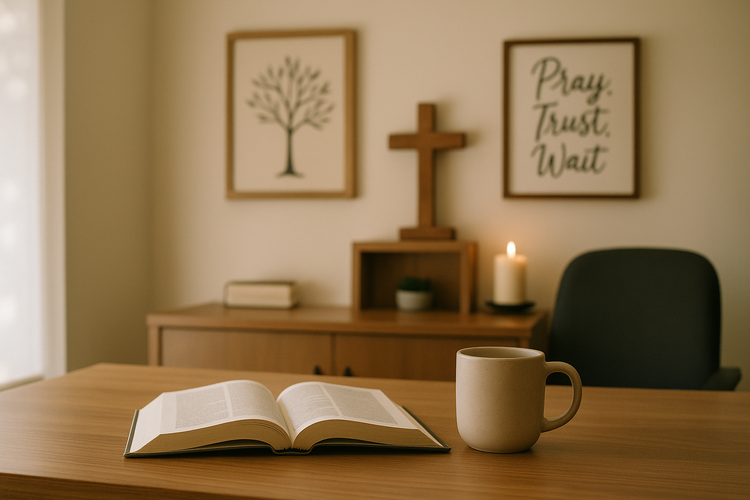
Faith can be a profound narrative thread in the tapestry of a family's history. Integrating symbols of faith into a monument must be done with subtlety and respect. For Christians, incorporating symbols like crosses or biblical verses may signify the spiritual beliefs that have sustained the family through generations.
However, the integration should extend beyond mere symbolism; it should reflect in the very ethos of the design. Consider using open spaces to represent openness to divine providence or using light to symbolize enlightenment and grace. Such elements not only enrich the monument's aesthetic but also embed a sense of sanctity and reverence.
Bridging the Generational Gap
One of the most rewarding aspects of designing a family monument is its potential to bridge the generational gap. In a rapidly evolving world, these structures can serve as constants, grounding younger generations in the values and stories of their ancestors.
To make this connection tangible, consider incorporating technology, such as QR codes that link to digital archives of family stories or interactive displays that allow visitors to engage with the monument in meaningful ways. These elements can make the stories of the past accessible and relatable to the present and future generations.
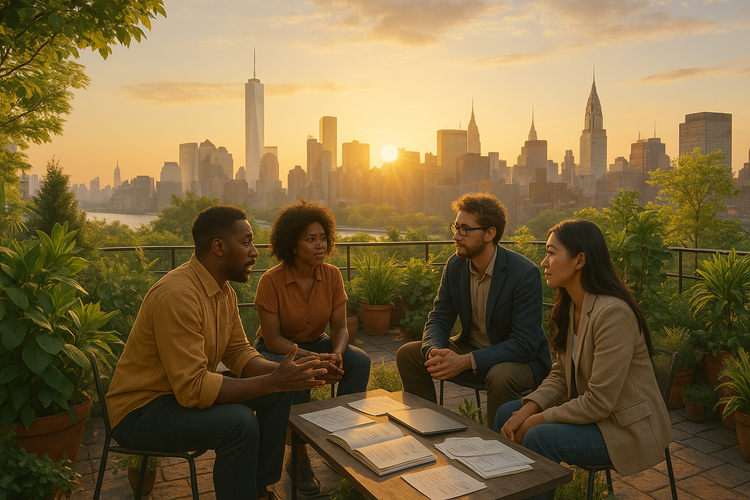
Additionally, involving younger family members in the design process can instill a sense of ownership and responsibility towards preserving legacy. Encourage them to share their perspectives and ideas, perhaps even allowing them to choose aspects of the design that resonate with them personally.
The Role of Craftsmanship
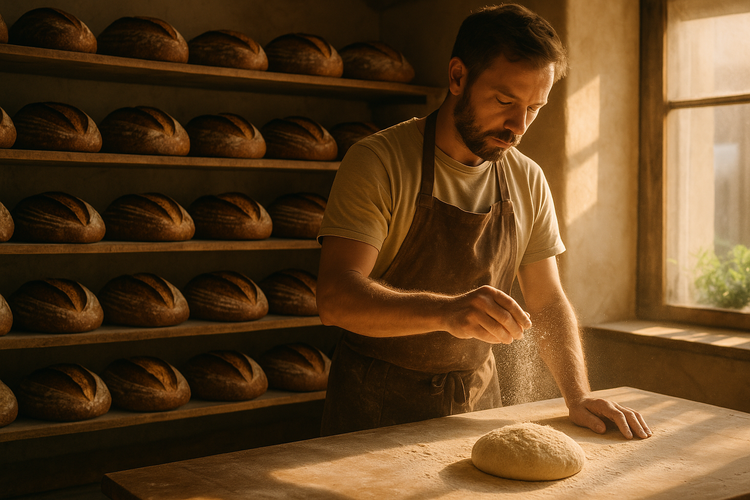
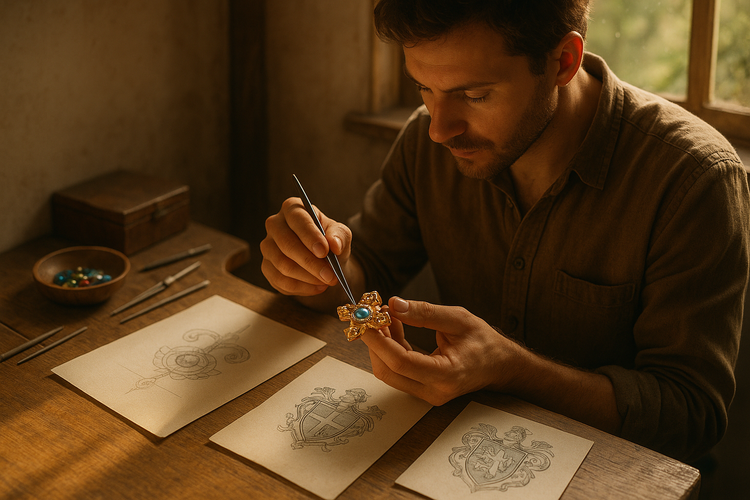
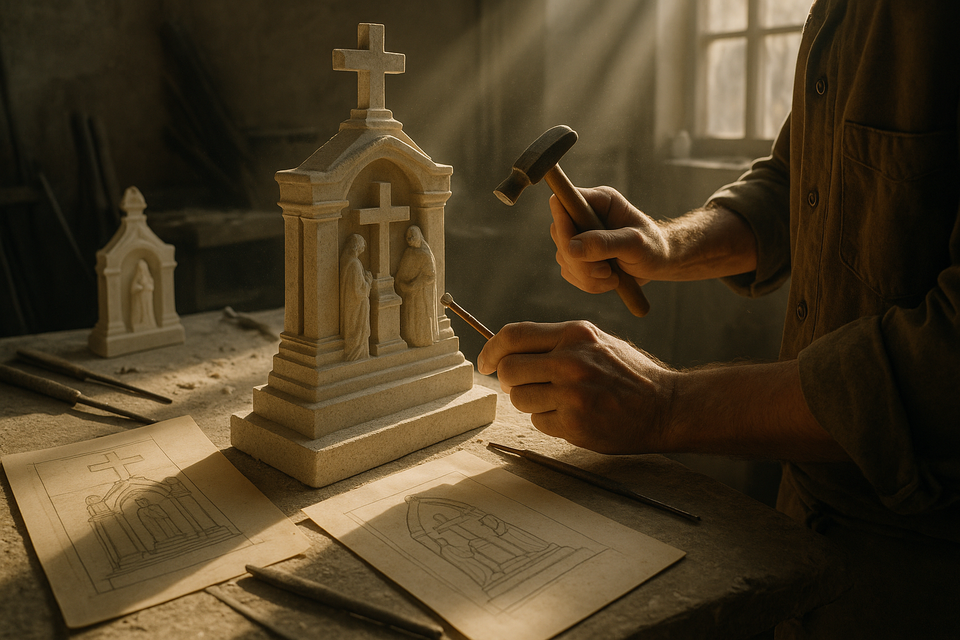
The craftsmanship involved in creating these monuments is what transforms a concept into a real, tangible legacy. Skilled artisans, like those who continue ancient traditions in regions like Agra, bring a level of detail and authenticity that mechanized processes cannot replicate.
The dedication of artisans also stands as a testament to the value placed on heritage and legacy. By selecting artisans who respect tradition and demonstrate excellence in their craft, you ensure that the monument not only preserves family history but also celebrates the mastery of human hands.
Creating a Lasting Impact
Ultimately, the aim of a family monument is to create a lasting impact—a physical manifestation of stories and values that transcends time. It’s about creating something that future generations can look to for inspiration and guidance, a testament to the family’s journey and faith that has carried them thus far.
As we design these monuments, let us remember that they are not just about preserving the past but also about shaping the future. They reflect the enduring spirit of the family and their unwavering faith, becoming anchors that keep the family rooted while allowing them to soar.