Timeless Connections: Designing a Family Meditation Garden for Generational Reflection and Unity
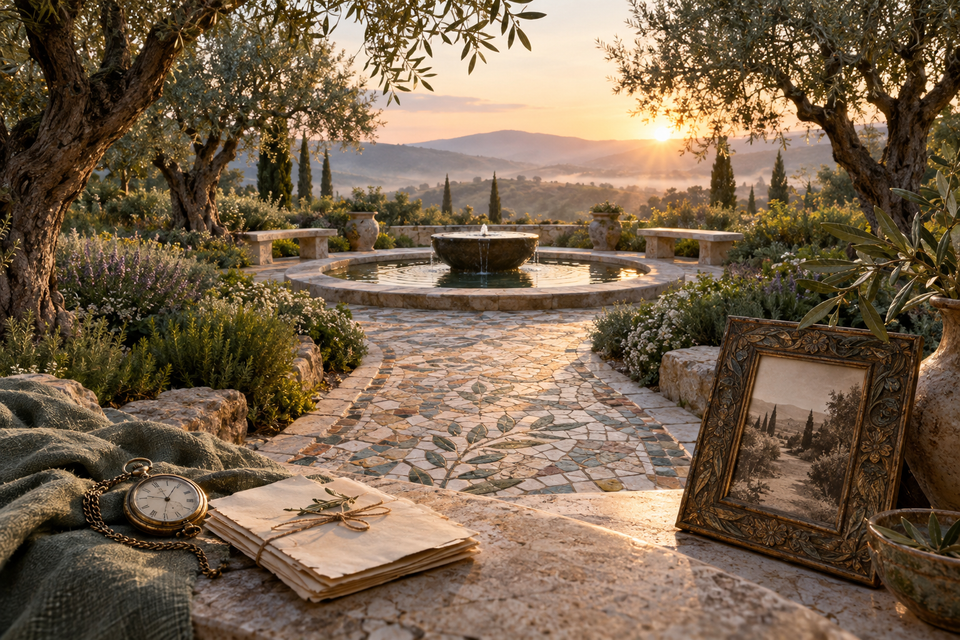
In a world where moments of genuine connection are fleeting, the creation of a family meditation garden offers a timeless sanctuary for reflection, unity, and legacy. These gardens are not just collections of plants and stones; they are thoughtfully curated spaces where families can pause, reflect, and bond over shared values and spiritual heritage. What makes these gardens enduring is their ability to encapsulate and perpetuate the narratives of those who gather within their embrace.
The Essence of a Meditation Garden
A meditation garden is a dedicated space designed to promote tranquility and introspection. Drawing from various spiritual traditions, such as those found in the genealogical park described by the Bjarke Ingels Group, these gardens integrate elements from different faiths to create an inclusive atmosphere. They often feature pathways leading through thematic sections, each designed to evoke a particular state of mind or emotional response, much like the pavilions made of Jerusalem limestone and Italian marble which honor distinct spiritual traditions.
Historical and Cultural Significance
The concept of sacred gardens dates back centuries and spans multiple cultures. Zen gardens in Japan, for instance, have long been places of meditation and contemplation, where the meticulous arrangement of sand, stones, and minimalistic flora promotes mental clarity and peace. In Europe, monastic gardens were designed as places of prayer and reflection, where monks could connect with their faith and the natural world. These historical precedents inform the modern design of family meditation gardens, providing a rich tapestry of inspiration for creating a space that resonates with both personal and collective histories.
Design Principles for Generational Appeal
When designing a family meditation garden, consider the materials and layout that will best serve your family's unique legacy. Drawing inspiration from Julie's garden design notes, one might opt for a natural, asymmetrical layout with materials like moss and lichen to create a sense of enclosure and tranquility. These choices not only reflect nature's inherent beauty but also offer a canvas for generations to imprint their evolving stories.
Incorporating Legacy into Design
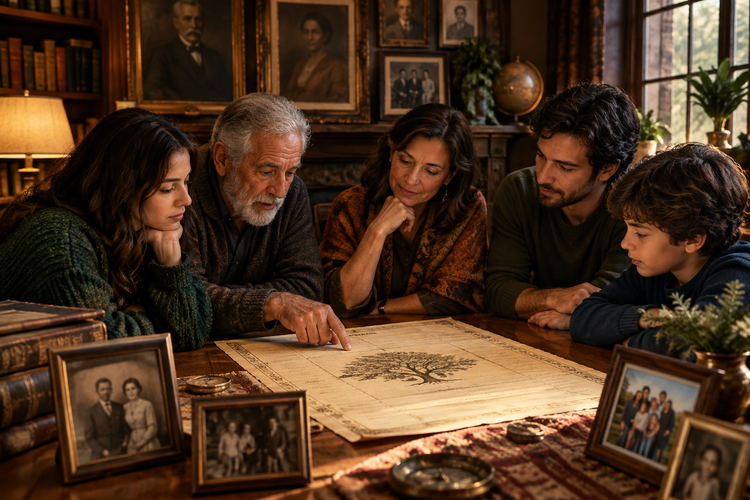
A "legacy door" entrance, as seen in Ridhi Khosla Jalan’s interior designs, could serve as a ceremonial entry point, symbolizing the threshold between the everyday world and a space of sacred reflection. Personal touches, such as engraved stones with family names or a central water feature representing life’s continuous flow, can add meaningful layers to the garden's design.
Creating a Multi-Generational Space
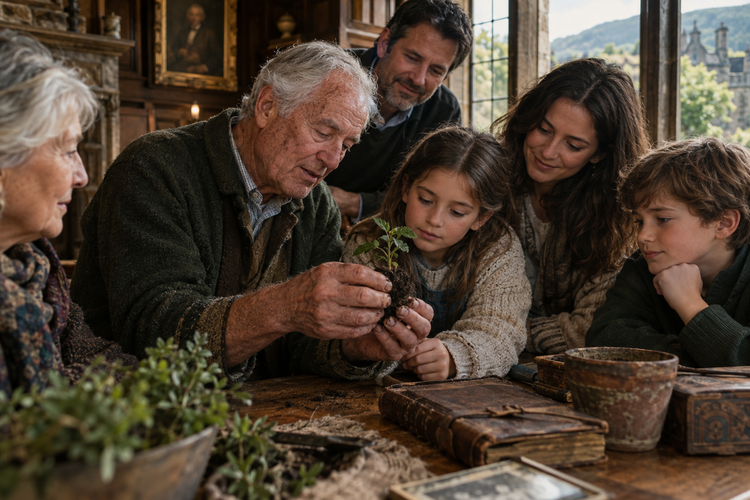
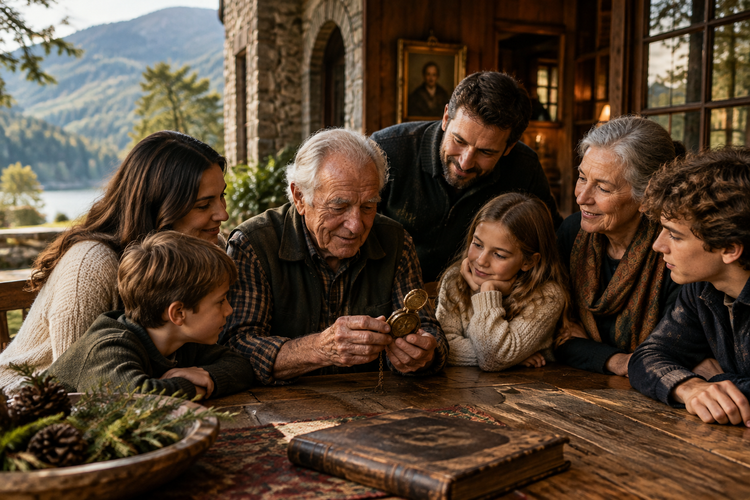
To ensure the garden serves all ages, include elements that cater to different levels of mobility and interest. For the elders, comfortable seating areas shaded by olive trees provide a place for storytelling and quiet reflection. Younger family members might appreciate interactive elements like a small labyrinth or a space for curated family storytelling events. Designing with multiple generations in mind ensures that the garden remains a cherished venue for family gatherings and spiritual renewal.
Case Studies: Inspirations from Existing Gardens
Consider the genealogical park described by the Bjarke Ingels Group. Its branching paths and diverse materials reflect a global tapestry of spirituality, making it an excellent example of how a garden can blend various cultural influences into a cohesive, harmonious whole. Another inspiration might come from gardens featured in "Idle in Provence," where the landscape tells a story of personal journey and connection to the land.
Practical Steps for Creating Your Garden
Begin by identifying a location that is both accessible and offers a sense of seclusion. Next, choose materials and plants that are meaningful to your family's history and spiritual practices. Utilize local artisans to help bring these elements to life, ensuring that each component of the garden reflects both quality and intention.
Budgeting and Planning
While the creation of a meditation garden can be a substantial investment, viewing it as a legacy project can help align expenditures with your family’s long-term vision. Consider segmenting the project into phases, each providing tangible milestones and opportunities for family involvement and contribution.
Unity Through Shared Spaces
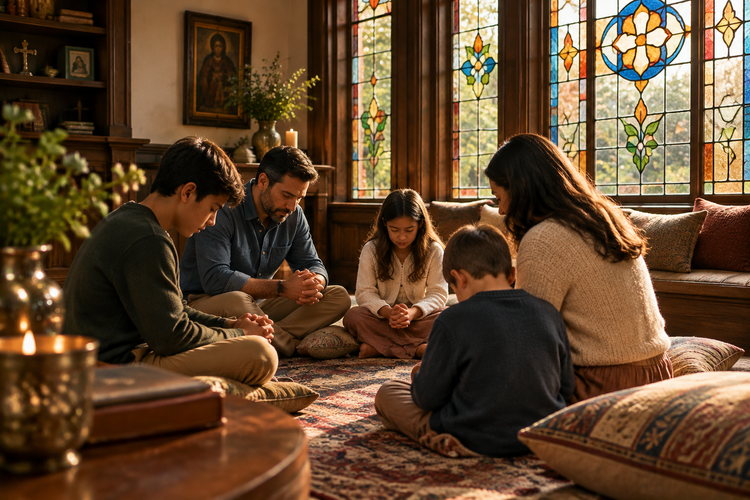
A family meditation garden is more than a physical space; it's a living testament to your family's values and shared history. As families navigate the complexities of modern life, these gardens offer a retreat where members can reconnect with one another and with their spiritual roots. By fostering moments of silence and reflection, a meditation garden becomes a sacred place where past, present, and future generations converge.