The Legacy Vault: Crafting a Family Mission Statement That Survives the Generations

Imagine a conversation that transcends time, where each word echoes through generations, shaping decisions and guiding lives. This is the power of a well-crafted family mission statement—a document that serves as the cornerstone of your family’s legacy. But how do you create a mission statement that remains relevant and inspiring for generations to come?
The Power of a Family Mission Statement
A family mission statement is more than just a collection of values and goals. It's a roadmap for collective decision-making and a touchstone for family identity. Unlike individual aspirations, a family mission statement encapsulates the essence of what your family stands for, offering clarity and cohesion in times of uncertainty.
The Vianza Group at Morgan Stanley emphasizes the importance of mechanisms like family mission statements, family constitutions, or investment policy statements to guide collective decisions. Such frameworks not only help in aligning family objectives but also empower younger generations to find their voice within the family fabric [7].
Building Blocks of a Lasting Mission Statement
Creating a family mission statement that endures requires intentionality and inclusivity. Here’s a step-by-step guide to help you craft one:
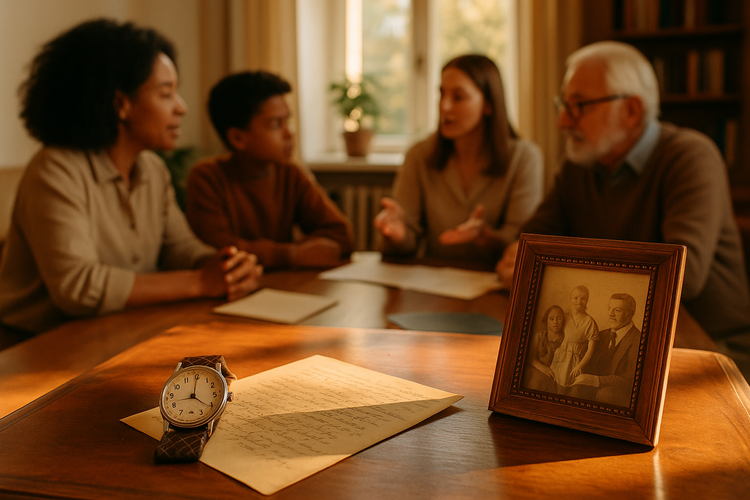
- Gathering Input: Collective input is crucial. Host a family meeting where everyone from elders to youngsters can voice their hopes, values, and expectations.
- Identify Core Values: Discuss the non-negotiable values that your family holds dear. Love, faith, integrity, and philanthropy are common themes among enduring family legacies.
- Drafting the Statement: Start with a draft that encapsulates the family’s vision and mission. Ensure it reflects the unique aspects of your family’s identity.
- Refinement Through Feedback: Share the draft with the family and invite constructive feedback. A mission statement is a living document that should evolve with time.
- Finalizing and Sharing: Once refined, share the mission statement in a meaningful way. Consider a family gathering or a framed version to be displayed at home.
Lessons from Successful Families
Look at families who have successfully implemented mission statements as motivation and guidance. The Gelber family, for example, has integrated philanthropy into their family values. They have been supporting Nicklaus Children’s Hospital for nearly a decade, embedding giving back into their family’s mission [8]. This commitment to a shared goal strengthens their bond and extends their impact beyond their immediate circle.
Similarly, lessons can be taken from the annual Legacy Leadership Institute, which empowers seniors as advocates and volunteers, reinforcing the importance of intergenerational learning and engagement in family missions [3].
Overcoming Challenges
Creating a mission statement is not without its challenges. Diverse perspectives can lead to conflicts, and finding common ground may seem daunting. Here are some strategies to overcome these hurdles:
- Facilitated Discussions: Consider hiring a family governance consultant to facilitate discussions. Their expertise can ensure that all voices are heard and respected.
- Focus on Shared Goals: Shift the focus from differences to shared goals. This can help bridge gaps and foster unity.
- Flexibility and Adaptation: Recognize that a mission statement is not set in stone. Allow room for evolution as the family grows and changes.
The Role of Faith and Legacy
Faith can play a pivotal role in shaping a family’s mission. It offers a moral compass and a source of inspiration that can unify family members. A mission statement that incorporates faith-based values can provide a deeper sense of purpose and continuity, resonating through generations.
As you embark on this journey, remember that your mission statement is more than words on paper. It is a living legacy, a testament to your family’s shared values and aspirations. In the end, it's about crafting a narrative that your descendants can proudly continue, one that stands the test of time and remains a beacon of guidance.