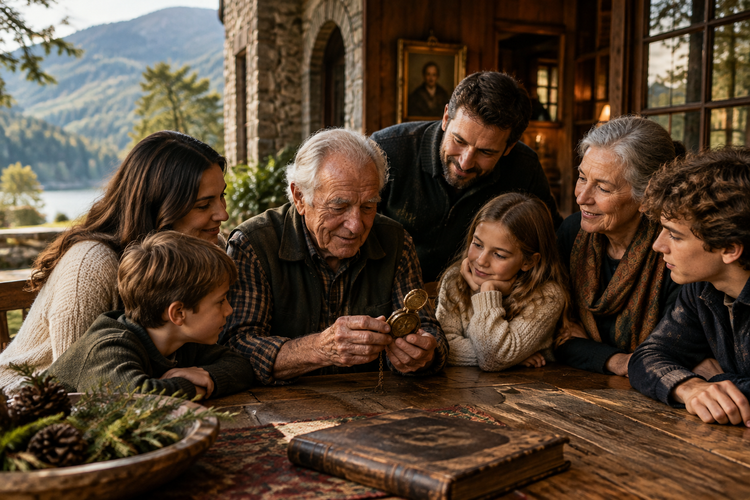
Legacy of Leadership: Crafting Family Leadership Roles to Foster Generational Influence

In a world that’s increasingly driven by short-term gains, the concept of legacy might seem quaint or even antiquated. However, the paradox of our time is that while the landscape shifts at unprecedented speeds, the need for enduring influence remains perennial. Building a legacy of leadership within a family is not just a noble pursuit; it's a strategic imperative for those looking to make a lasting impact.
The Foundation of Family Leadership
Creating a legacy begins at home. Family leadership roles should not be arbitrary titles handed down through generations like relics. Rather, they should represent responsibilities that evolve with each new member, aligning with their unique skills and the family's long-term vision. Establishing roles that are meaningful and dynamic can create a robust foundation for sustained influence.
Identifying Core Values
Before assigning leadership roles within the family, identify the core values that will serve as your guiding principles. Are you driven by philanthropy, entrepreneurship, faith, or a combination of these? Your family's core values will be the compass that steers each decision. As discussed in previous posts, aligning actions with values ensures you're building a legacy on solid moral ground.
Aligning Roles with Skills
Once core values are established, it's important to align leadership roles with individual skills. This might mean recognizing a family member’s talent for financial stewardship and developing their role as the family's financial strategist. Encourage members to understand and embrace their strengths as part of their role in the family leadership structure.
Creating an Entrepreneurial Mindset
Leadership in the family context isn't confined to traditional roles of authority. It can be entrepreneurial, embracing innovation and change as strategies for legacy-building. Much like the shifting trends in real estate and technology require adoptive strategies, as indicated in sources like the Forbes housing market predictions, family leadership must evolve to remain relevant.
Encouraging Risk-Taking
Entrepreneurial leadership often involves risk-taking, a necessary ingredient for progress. Encourage family members to pursue calculated risks that align with your shared vision. This might mean investing in new ventures or philanthropic endeavors that resonate with the family's shared values.
Innovation and Legacy
Innovation should not be perceived as a departure from legacy but a continuation of it. For instance, integrating digital tools to preserve family history can make it accessible and engaging for future generations. As seen in trends from life sciences companies leveraging AI for innovation, families can integrate technology to enhance their legacy.
The Role of Faith in Leadership
For many, faith provides a profound framework for leadership and legacy. It offers a lens through which decisions are made and traditions are sustained. Faith-driven leadership within a family can guide ethical decision-making and foster a sense of purpose that transcends generations.
Faith as a Guiding Principle
Embedding faith into family leadership roles can ensure that each generation is grounded in principles that promote integrity, compassion, and stewardship. This doesn't mean enforcing rigid doctrines, but rather nurturing an environment where faith informs decisions and actions.
Passing Down Faith
Passing down faith involves more than religious rituals; it’s about sharing stories, experiences, and lessons that illustrate the power of belief. This can be woven into family gatherings, community service projects, or personal mentorship, fostering a deep, enduring connection between members.
Philanthropy and Stewardship
Philanthropy is a tangible expression of a family's values and an effective tool for building legacy. Encouraging each family member to engage in philanthropic activities can instill a sense of stewardship and responsibility, as philanthropy should be viewed not just as charity but as an investment in the betterment of society.
Developing a Family Giving Strategy
Your family can follow a strategic approach to philanthropy by identifying causes that resonate with your shared values. A family council could oversee these initiatives, ensuring that philanthropy is both impactful and aligned with the family's long-term goals.
Measuring Impact
As important as it is to give, it’s equally important to understand the impact of your contributions. Establish metrics to evaluate the efficacy of philanthropic initiatives. This may include setting up regular reviews to assess outcomes, similar to what successful businesses do to evaluate investment returns.
Building a Legacy of Influence
Ultimately, a legacy of leadership isn’t about preserving status or amassing wealth for its own sake; it’s about fostering a lineage of influence that contributes positively to the world. This means nurturing future generations to become leaders who embody the family’s values and vision.
Mentorship as a Key Component
Mentorship is an essential component of building a legacy of influence. Seasoned family members should mentor the younger generation, offering guidance and sharing wisdom. This creates continuity and ensures that the family’s values and strategies evolve without losing their core essence.
In conclusion, crafting family leadership roles is a careful balance of honoring tradition while embracing change. It's an ongoing commitment to nurture each member's potential and propel the family's legacy. This is not merely about securing the future but about shaping it with intentionality and purpose.