Family Fortresses: Immortalizing Values Through Private Family Retreats
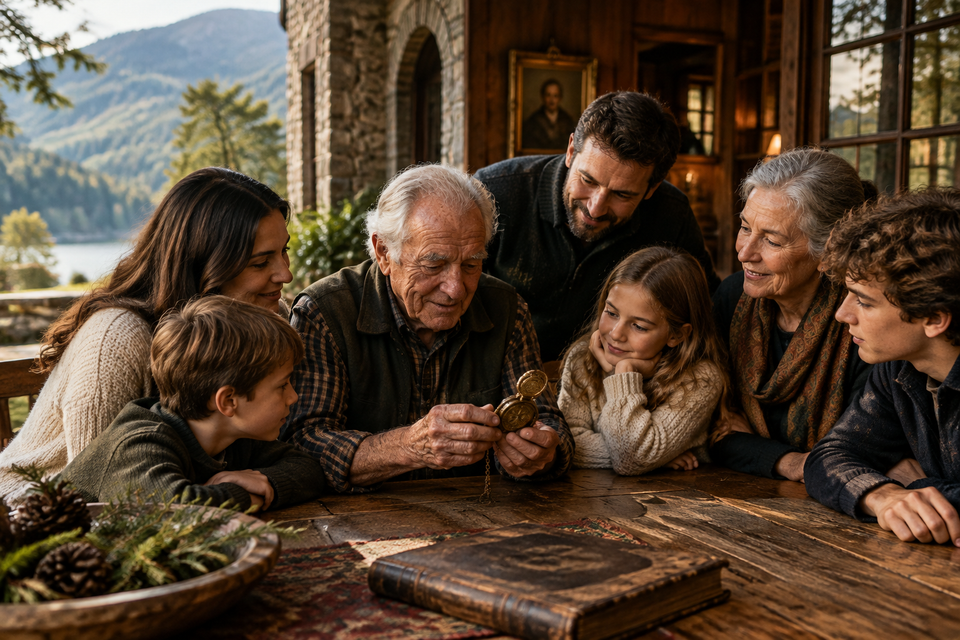
Picture this: A sprawling estate nestled in the hills, where generations of your family gather not just for holidays, but as an ongoing practice of togetherness. These are not mere vacations; these are orchestrated retreats designed to pass down your most cherished values. As we explore this concept, it becomes clear how these family fortresses can serve as a cornerstone for legacy—a place where values are not just taught but experienced, day after day.
The Concept of Family Fortresses
Family fortresses, in the modern sense, are private retreats established to gather family members regularly, providing a sanctuary to instill and perpetuate family values. Think of them as the castles of our ancestors, where families withdrew from the world to solidify their bonds and plan their futures.
In today's world, with its myriad distractions, having a dedicated physical space can be a powerful tool for reinforcing what matters most. These retreats serve as places of refuge, learning, and connection, supporting a family's mission to build a legacy that endures.
Designing Your Family Retreat
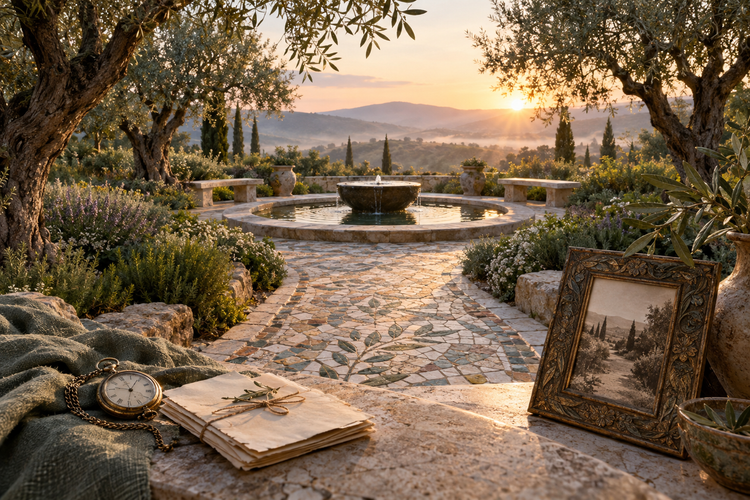
Creating a family fortress involves more than just picking a picturesque location—it's about embodying the values you wish to pass on. Think of the design as an extension of your family's ethos. The architecture and interior should be a blend of tradition and modern comfort, reflecting both heritage and current lifestyle.
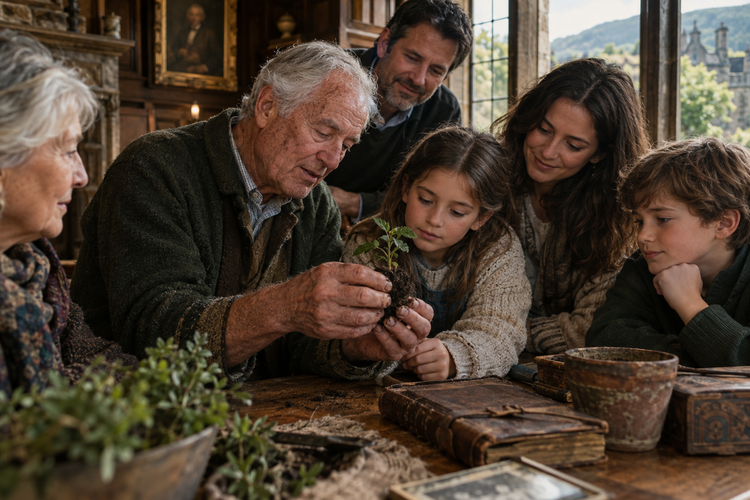
For instance, integrating a library filled with books that shaped your worldview or incorporating spaces for communal activities like cooking family recipes can foster a sense of continuity and belonging. This intentional design helps set the stage for meaningful interactions and traditions that can be passed down through generations.
Successful Examples of Family Retreats
Consider the example of a family who transformed their ancestral home into a retreat. By adding modern amenities while preserving historical elements, they created a space where every gathering becomes a celebration of their shared history and values. This retreat hosts annual family workshops on philanthropy, encouraging younger members to understand and participate in the family's giving initiatives.
Another family established a vineyard where members gather not just to enjoy the fruits of their labor but to engage in strategic planning sessions to ensure their business—and their legacy—continues to grow. Here, business and pleasure intertwine, and each visit reinforces their collective identity.
Overcoming Challenges in Maintaining a Family Retreat
While the idea of a private family retreat is enticing, it comes with challenges that require careful navigation. The first hurdle is often logistical: coordinating schedules across multiple generations and geographic locations. Using shared digital calendars and dedicated planning committees can streamline this process.
Financial sustainability is another critical factor. Establishing a retreat fund where each family contributes can ensure maintenance costs are covered without placing undue burden on any individual. Regular meetings to discuss budgets and investments can keep everyone aligned and committed.
The Role of Faith and Values
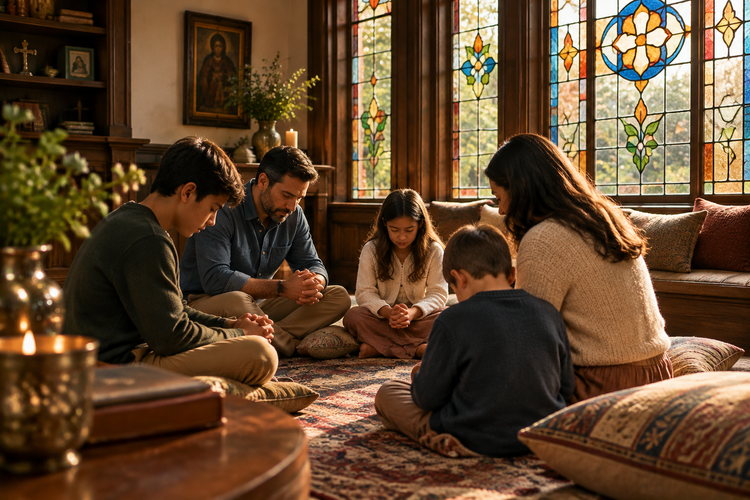
A family retreat can be an ideal setting to cultivate spiritual growth alongside family traditions. Whether through holiday gatherings, shared prayer sessions, or discussions about faith-based values, these elements can offer a profound sense of purpose and direction.
In the same way that leaders in business and community settings use retreats to align on core values and mission, a family can use their retreat to center their shared faith and moral compass. This alignment not only nurtures individual growth but also strengthens family unity, allowing each member to contribute to a legacy of faith-driven purpose.
Building a Legacy That Lasts
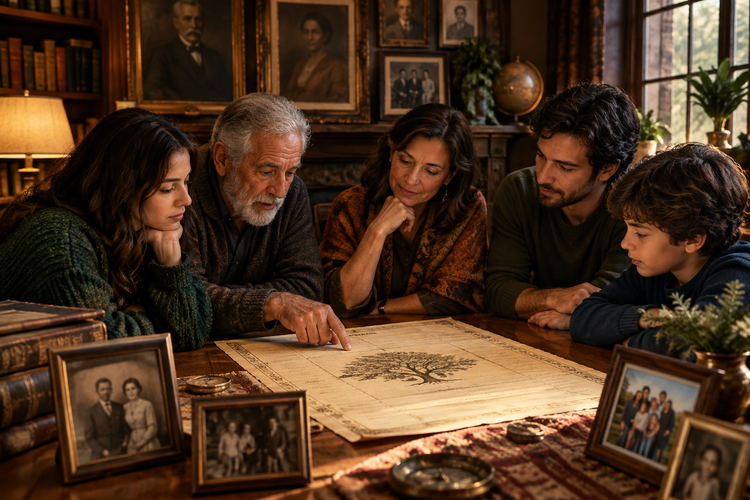
A family retreat can serve as the epicenter of legacy building. When designed with intent, it becomes more than a physical space. It evolves into a living testament of what your family stands for. Strategies like incorporating legacy planning sessions, where family stories are shared and documented, can further cement this purpose.
Imagine, as the years pass, this retreat becomes known not just for its beauty or location, but for the values it instills in each family member who crosses its threshold. This approach to legacy ensures that the guiding principles of your family endure, not just through stories told but through experiences lived.
In conclusion, the creation of a family fortress is a profound act of stewardship—a commitment to nurture and protect the intangible wealth of values that define your family. It is through these sanctuaries that the essence of your family can thrive, offering each generation a place to return to—a stronghold not just of walls, but of shared purpose and eternal values.