Crafting the Ultimate Legacy Kitchen: Designing Culinary Spaces That Elevate Family Traditions
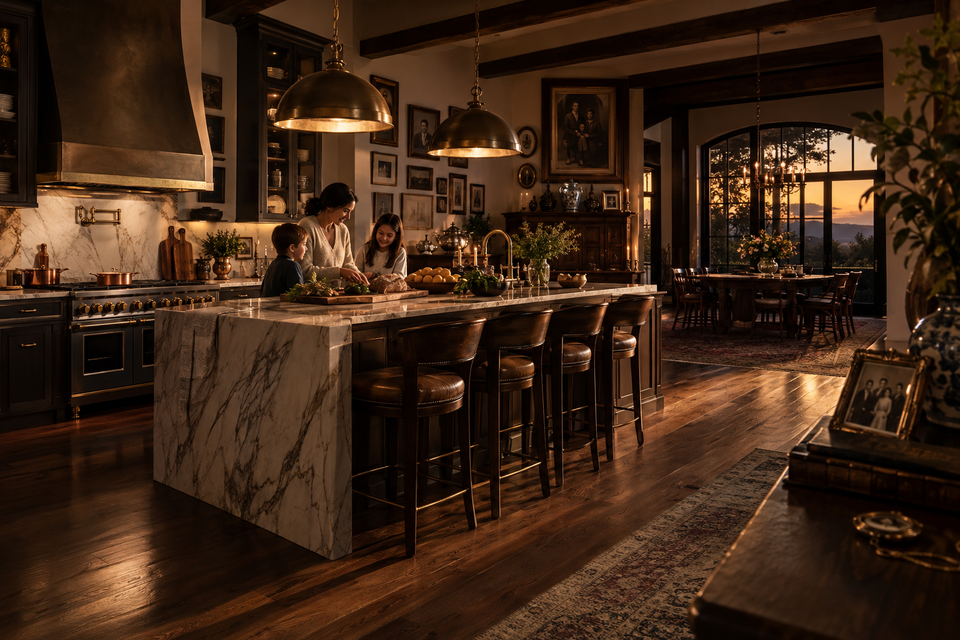
Imagine a kitchen where the clink of silverware is a symphony of family tradition, and every ingredient becomes part of your legacy. In designing such a culinary space, the goal is to transcend mere functionality and create a kitchen that is a living testament to your familial values and taste for luxury. This isn't just about aesthetics—it's about crafting a space that elevates each family gathering into an unforgettable celebration of heritage.
Understanding the Essence of a Legacy Kitchen
The concept of a legacy kitchen is rooted in a simple yet profound idea: the kitchen as the heart of the home, where traditions are born and memories are crafted. In 2027, as families increasingly embrace multigenerational living, the kitchen must serve as a bridge between ages and histories. According to a report by Zillow, the rise in multigenerational living has spurred a renewed focus on home features that facilitate togetherness, even as traditional 'chef's kitchens' lose some of their luster in favor of multifunctional spaces designed for family interaction [3].
Design Trends Rooted in Timelessness
A legacy kitchen must balance timeless design with modern functionality. In the realm of luxury home design, a continued shift towards warm, character-filled materials is anticipated. Shelton Wilder notes that luxury homes are moving towards natural finishes and enduring appeal, emphasizing materials like beautiful wood tones and interesting stones [6]. This approach not only ensures durability but also embeds a sense of history and warmth that complements the concept of a legacy kitchen.
Mixing Materials for Lasting Appeal
Interior designer Sarah Delaney suggests that mixing materials—like combining stainless steel with hardwood—is a method to achieve a timeless aesthetic [2]. This technique not only diversifies the visual texture but also enhances the kitchen’s longevity, making it resilient against fleeting trends. Consider integrating hand-finished surfaces and patina-rich metals, which are projected to gain character over time, aligning perfectly with the legacy concept [8].
Functional Luxury: The New Standard
In the world of high-end interiors, functionality has become synonymous with luxury. As highlighted by the Los Angeles Times, designers now focus on crafting environments that are not only beautiful but also highly personalized and functional [1]. This requires a deep understanding of your family's unique needs and rhythms. Investing time in lifestyle consultations with a professional designer can unearth insights that transform your kitchen into a space that genuinely serves your family's daily life.
Incorporating Workstation Sinks and Multi-Use Islands
Embrace the trend towards larger, deeper bowls and workstation sinks with integrated accessories, which are increasingly popular for their combination of utility and style [5]. These features allow for seamless multitasking and cater to the needs of a bustling household. Similarly, kitchen islands can be designed as multifunctional hubs, incorporating areas for cooking, dining, and even remote work, underscoring the kitchen’s role as a multifaceted gathering space.
Embracing Technological Advancements
While the charm of a legacy kitchen lies in its traditional roots, modern technology can enhance its functionality. The integration of smart technology—such as app-controlled lighting and climate settings or smart appliances—can streamline operations without detracting from the kitchen’s aesthetic appeal. The Thermador Design Council emphasizes the importance of functionality and innovation, advocating for kitchens that reflect the way families gather and use their homes [7].
Smart Appliances for Effortless Cooking
Consider smart ovens that can be preheated remotely or refrigerators that suggest recipes based on available ingredients. These advancements not only make daily tasks more convenient but also create opportunities for family involvement in the cooking process, fostering an environment where culinary traditions can be passed down with ease.
Infusing Personal Touches
A legacy kitchen is incomplete without elements that reflect your family’s unique story. This can be achieved through heirloom pieces, personalized decor, and custom cabinetry that feels like fine furniture, blending seamlessly with the room's overall aesthetic [8]. These personal touches can serve as the focal point around which new family traditions are built.
Displaying Family Heirlooms and Art
Integrate open shelving to display cherished family heirlooms or art pieces that carry sentimental value. These items not only add character and a sense of continuity but also act as conversation starters that connect generations, ensuring that your kitchen is as much about family history as it is about design.
The legacy kitchen, when executed with intentionality and grace, becomes a sanctuary where family bonds are strengthened, and culinary arts are celebrated. In crafting such a space, remember that it's not just about creating a kitchen—it's about building a legacy, one meal at a time.