Sacred Spaces: Designing a Family Home That Embodies Your Spiritual Legacy
Designing a family home is more than choosing fixtures and finishes; it's about creating a sanctuary that embodies your family's spiritual legacy. Imagine walking through your front door and being enveloped by not just the warmth of your home, but the essence of your family's values and beliefs. In a world that often prioritizes the transient, crafting a space imbued with timeless spiritual significance is a profound way to ensure that your legacy endures through generations.
Envisioning Your Spiritual Legacy Through Design
The first step in designing a home that reflects your spiritual legacy is envisioning what that legacy looks like. Begin by gathering your family to discuss the core values and spiritual traditions you wish to emphasize. This could involve family meetings or even revisiting lessons learned from faith-based events like the Grandparenting Summit, where intentional, faith-filled living is encouraged [2].
Consider how your home can serve as a living testament to these values. Is there a particular scripture or piece of wisdom that resonates with your family? Integrate these elements into your home design through engraved plaques or decorative wall art. In doing so, you ensure that the walls themselves speak of your family's cherished beliefs.
Architectural Features that Highlight Faith
The architecture of your home can be a physical manifestation of your faith. Consider incorporating spaces that foster reflection and connection, much like the community spaces found in spiritually-oriented environments such as the Legacy House of Ogden. These might include meditation rooms or gardens where family members can retreat for personal reflection or group prayer [1].
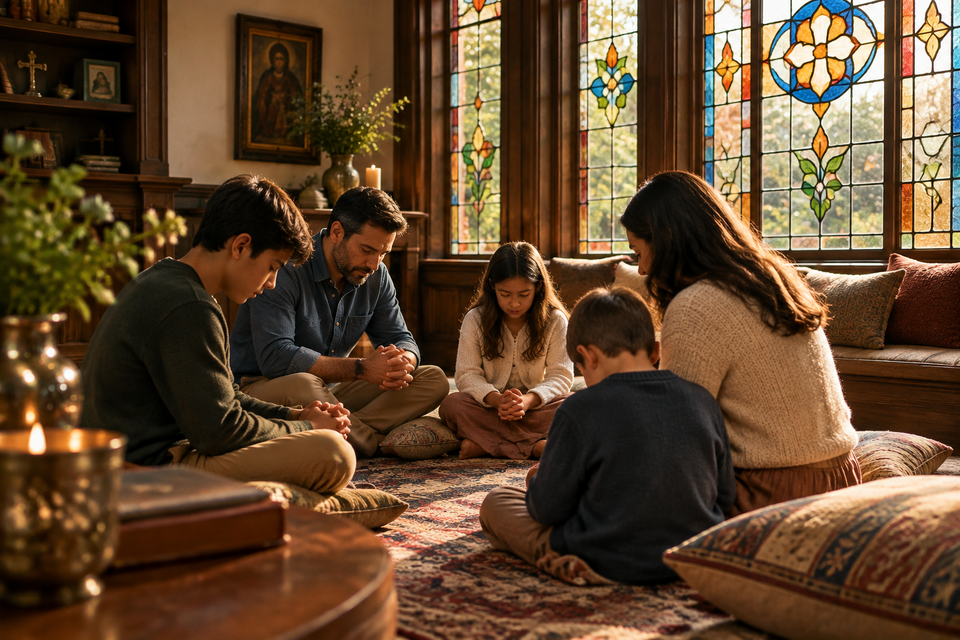
Another architectural feature could be a family altar or designated prayer space. This doesn't have to be elaborate but should be inviting and easily accessible, encouraging regular use. A skylight or strategically placed windows can bring natural light into these spaces, creating a hopeful and serene atmosphere.
Integrating Spiritual Elements into Daily Life
Designing your home to embody spiritual values doesn't stop at architectural choices. Consider how everyday activities can reflect your family's faith. For instance, dining areas can be crafted to encourage family meals, a practice that not only nourishes the body but also strengthens familial bonds.
Incorporate traditions like a weekly family meeting or a shared devotional time. These gatherings can be facilitated by creating a comfortable and welcoming space, perhaps with a large family table or a cozy sitting area. The key is to make these spiritual practices a seamless part of your daily routine, rather than an imposition.
Technology as a Spiritual Tool
While technology may seem at odds with spiritual simplicity, it can play a pivotal role in fostering faith within the home. Use smart home technology to create a daily rhythm that includes spiritual reminders. For instance, set smart speakers to play a hymn or a scripture reading as your family wakes up or goes to bed.
Utilize apps that facilitate spiritual growth, such as those offering daily devotionals or guided meditations. These can be integrated into your smart home systems for ease of access. The goal is to use technology as a means to enrich and support your family's spiritual journey, not detract from it.
Crafting Spaces for Generational Connection
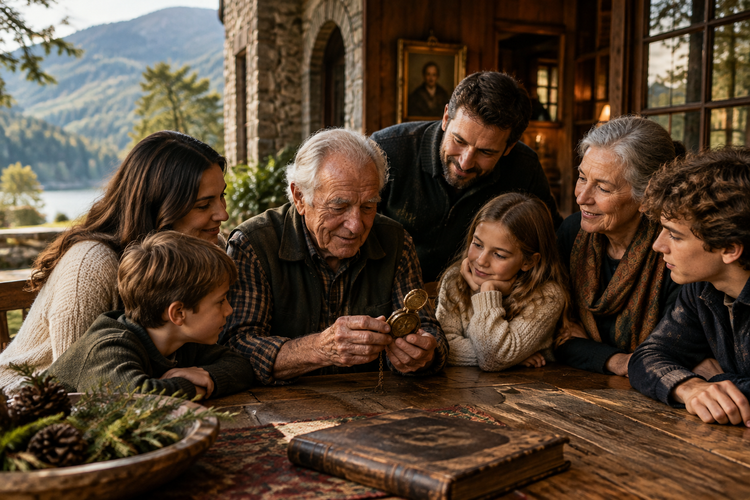
To ensure your spiritual legacy transcends generations, create spaces that encourage intergenerational interaction. This could be a shared library or study, housing books that span generations and reflect varied perspectives on faith. A multimedia family tree display can also serve as a focal point for storytelling and passing down family narratives.
Consider hosting regular family gatherings focused on sharing stories of faith and discussing how each generation can carry forward the family's spiritual values. This approach not only reinforces these values but also fosters a sense of belonging and purpose among family members.
The Role of Philanthropy in a Sacred Home
Incorporate elements of philanthropy into your home by dedicating a space for charitable activities. This could be a corner of your home where family members gather to prepare care packages or plan community service events. Engaging in these activities fosters a spirit of generosity and stewardship, reinforcing the idea that a truly sacred space extends its influence beyond its walls.
By modeling these values, you instill in your children the importance of giving back and supporting the community. This practice is a contemporary reflection of the faith-driven, legacy-focused life that many aspire to, echoing the principles discussed by figures such as Steve Green of Hobby Lobby in his discussions on family and faith-based business practices [4].
Ultimately, designing a family home that embodies your spiritual legacy is about more than aesthetics. It's an intentional process of weaving faith into the very fabric of daily life, ensuring that each room tells a story of your family's values, beliefs, and aspirations. As you create this sacred space, remember that the most enduring homes are those that foster connection, celebrate tradition, and inspire the generations to come.