Threads of Legacy: Curating a Family Textile Collection for Generations to Cherish
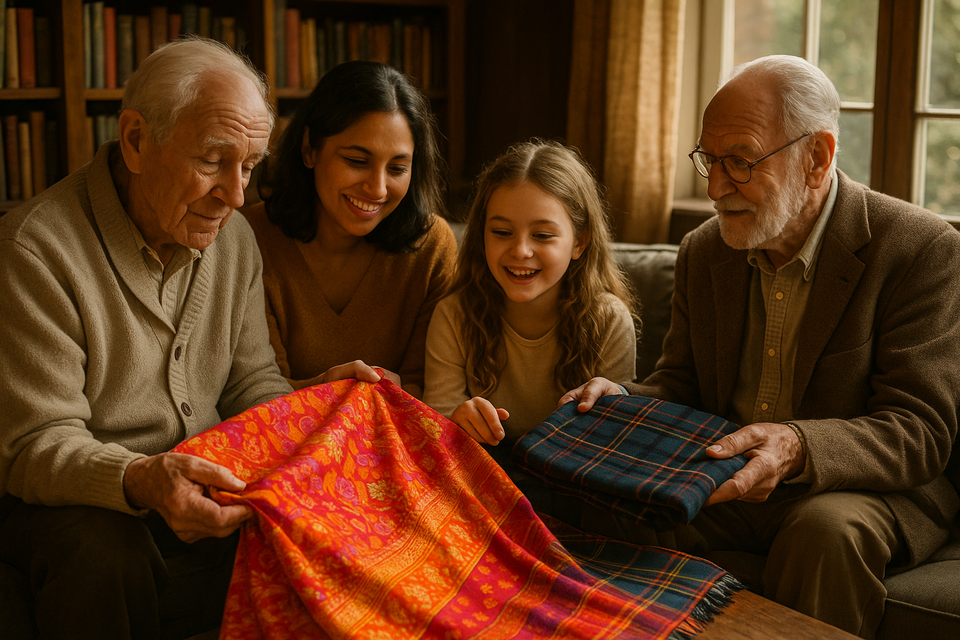
Imagine a room filled with the rich hues of vintage textiles, each piece narrating a chapter of your family's history. The material world has always been a canvas for human stories, and textiles are among the oldest mediums. As we explore how to curate a family textile collection, let's think beyond mere aesthetics. This is about weaving a tapestry of legacy that binds past, present, and future generations.
The Significance of Textile Heritage
Textiles are not just fabrics; they are cultural artifacts. They embody stories of migration, identity, and artistry. Take, for instance, traditional Indian saris or Scottish kilts—each holds a narrative waiting to be retold. As you begin to curate your collection, start with understanding the lineage of the textiles you're gathering. What stories do they hold? Who wore them, and during which occasions?
Choosing the Right Pieces
The first step in building a meaningful collection is selection. Focus on pieces that resonate with your family's heritage, values, or personal milestones. In today’s fast-fashion world, where trends are fleeting, embedding timelessness into your collection is crucial. Recent trends highlighted by the UKFT Sustainability Conference emphasize bio-based materials and textile recycling, pointing to a future where sustainability marries tradition.
Sourcing Sustainable Textiles
Sustainability plays a vital role in curating a family collection. Opt for textiles created with low-impact dyes and finishes, or those that are part of textile reuse and recycling initiatives. The shift towards sustainable practices, as discussed in the UKFT conference, ensures that your collection benefits both your family and the environment.
Preservation Techniques for Longevity
Preserving textiles ensures that their stories endure. Proper storage, climate control, and careful handling are essential. Use acid-free tissue paper for wrapping and store textiles in a climate-controlled environment. This not only protects them but also respects the craftsmanship and resources invested in each piece.
Embracing Modern Preservation Methods
While traditional methods of preservation are invaluable, embracing technology can also be beneficial. Inventory management systems or digital cataloguing can help maintain records of your collection, making it easier to pass down through generations.
Incorporating Textiles into Daily Life
Textiles have a unique ability to bridge the past and present when incorporated into daily life. Displaying a family quilt or using a handwoven tablecloth during family gatherings can create a tangible connection to your legacy. This practice not only honors the past but also creates new memories for the future.
Blending Tradition with Modernity
Consider blending your textiles with modern décor elements. This approach respects the craftsmanship of traditional textiles while keeping your living spaces current and functional. This duality is akin to the evolution we see in the textile industry, where tradition meets innovation.
Passing Down the Legacy
The ultimate goal of curating a textile collection is to pass it down to future generations. This act is more than gifting; it's storytelling. Educate younger family members about the significance of each piece, encouraging them to add their own chapters to the tapestry of your family history. This philosophy of legacy-building is central to families like those of Maharaja Shree Umaid Mills, who recognize the importance of quality and longevity over transient trends.
As you gather and preserve these textiles, remember that you are weaving a narrative that transcends time. Each thread contributes to a legacy that will inspire and connect future generations with their heritage. In this way, your collection becomes more than a hobby; it transforms into a profound expression of faith, family, and continuity.