A Legacy of Legacy: Establishing Multi-Generational Business Mentorships in Your Family

Creating a legacy that spans generations is a dream for many family businesses. Yet, the path to achieving a lasting impact lies not just in financial success but in embedding mentorship within the family fabric. Mentoring the next generation is crucial for not only maintaining but also expanding this legacy. Here’s how you can build an enduring family mentorship tradition that secures your family business's future.
The Importance of Family Mentorship
Mentorship isn’t just about passing on knowledge; it’s about fostering a mindset for growth and innovation. A successful family business is not solely built on capital but on the values, wisdom, and insights shared across generations. Establishing a structured mentorship program within your family can influence your business's sustainability and growth trajectory.
Lessons from Multi-Generational Businesses
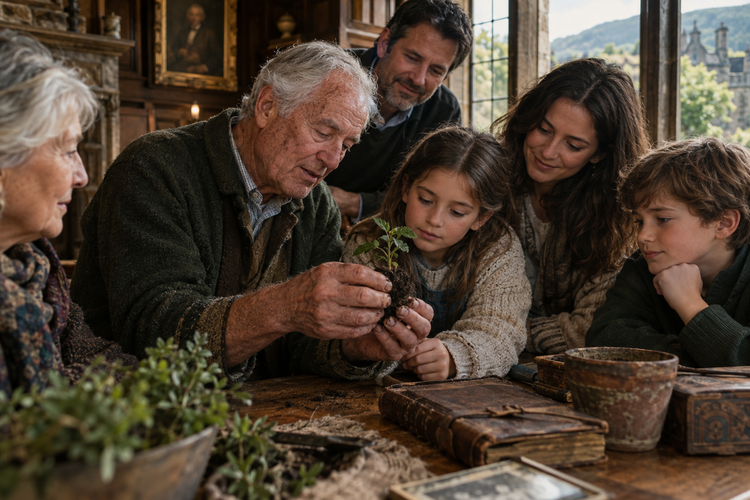
Consider the example of a veteran rancher who mentors his granddaughter in cattle ranching. This not only transfers practical skills but reinforces the values and ethics that have sustained the business across generations (Source: [5]). Such hands-on mentoring ensures that the next generation is equipped not only with the tools of the trade but with the ethos that defines the business.
Setting Up Your Family Mentorship Program
Creating a mentorship program in your family business doesn’t happen overnight. It involves careful planning and a clear understanding of both the mentors’ and mentees’ roles.
Define Clear Roles and Expectations
Start by establishing roles for mentors and mentees. Consider what each member can offer and what they hope to gain from the mentorship. Defining these roles prevents ambiguity and ensures productive engagements.
Structured Meetings and Communication
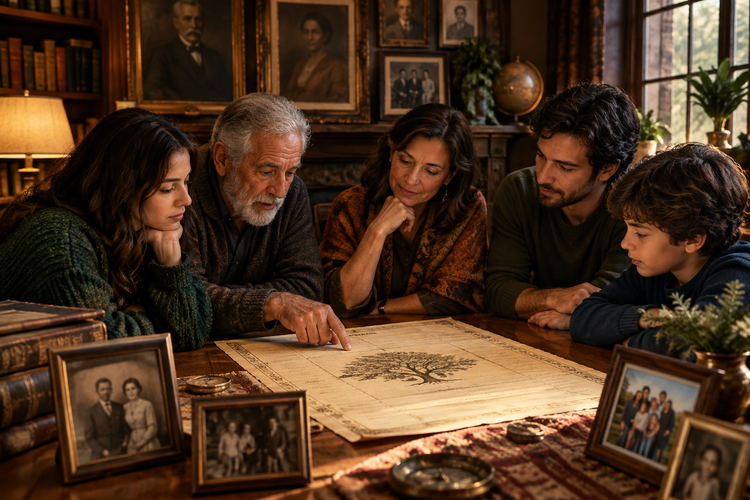
Regular, structured meetings are vital. According to insights, embedding family communication into the planning process helps clarify transfer intentions and roles (Source: [7]). Treat these meetings as sacred, scheduled times that are not just about business updates but about mentoring and guiding the next generation.
Building an Education Framework
Mentorship should be paired with education. Equip the next generation with the knowledge and skills they need to thrive.
Incorporate Formal Education and Experiential Learning
Offer formal business education opportunities alongside real-world experience. This could involve enrolling family members in business courses or providing them with opportunities for hands-on learning in different aspects of the business.
Utilize Technology and Innovation
With the advent of AI and other technologies, family offices are increasingly using these tools to aid decision-making and data analysis (Source: [4]). Encourage your mentees to embrace these technologies, preparing them for a future where innovation is key.
Leveraging External Resources and Networks
Don’t underestimate the power of external networks and resources. Bringing in outside mentors can provide fresh perspectives and expertise.
Attend Conferences and Workshops
Events like the East Coast Family Office Conference provide platforms for learning from industry leaders and peers (Source: [2]). Encourage family members to attend these to expand their knowledge and networks.
Engage Professional Mentors
Sometimes, an external mentor can offer insights that are invaluable. They can address gaps in knowledge or experience that internal family mentors may not cover.
Overcoming Challenges and Ensuring Continuity
Every family faces unique challenges, from interpersonal dynamics to resistance to change. Addressing these proactively ensures that mentorship programs are not derailed.
Address Family Dynamics
Family dynamics can be complex. Open dialogue and having mechanisms in place for conflict resolution are crucial. Building a family-governance framework can help guide choices and reduce ambiguity during transitions (Source: [7]).
Balance Tradition and Innovation
While tradition underpins family businesses, innovation drives them forward. Balancing these is key to a thriving family business (Source: [6]). Encourage the younger generation to bring new ideas to the table, integrating them with traditional practices.
In conclusion, building a legacy of mentorship is not merely about preserving a business; it’s about nurturing a way of life, a set of values, and a vision for the future. Through deliberate planning, structured communication, and a commitment to both tradition and innovation, you can foster a robust mentorship culture in your family business that endures for generations.