Legacy in Leather: How Custom Leatherworks Can Embrace Faith and Family Values

The allure of leather is timeless. From the patina that develops over years of wear to the intricate stitching of a custom piece, leather goods tell a story—often one of heritage, craftsmanship, and legacy. For some, leatherworking is more than a craft; it's a manifestation of faith and family values, woven into every piece created.
The Intersection of Craftsmanship and Faith
Leatherworking, like many artisanal crafts, often involves a deep connection to tradition and a commitment to quality that transcends mere commerce. This is where faith and craftsmanship align beautifully. In an era where fast fashion and mass production dominate, the integrity of hand-crafted leather goods stands as a testament to values rooted in faith, reverence for creation, and dedication to excellence.
In the luxury market, the demand for authenticity and storytelling grows stronger. According to the Milan Fashion Institute, luxury consumers increasingly seek products that signal status and carry a narrative of heritage and authenticity. This presents an opportunity for leather artisans to infuse their faith-based values into their work, creating products that resonate on a deeper level with discerning customers.
Family Values at the Core
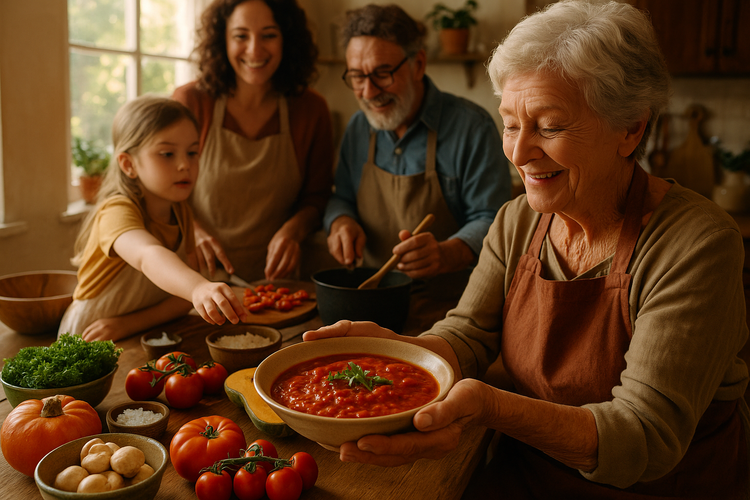
Family-run leather businesses often embody the very concept of legacy. The skills and knowledge passed down through generations are not just about leather crafting techniques, but also the values and principles that guide the business. For instance, consider a family workshop where each member plays a role, from sourcing materials to handcrafting the final product. This not only strengthens family bonds but also ensures that each piece produced reflects the family’s shared values and commitment to quality.
A prime example of this is the heritage seen in groups like Kering, where the blend of creative heritage and family-led initiatives has nurtured a suite of successful luxury brands. Such businesses demonstrate how faith and family can drive a commitment to excellence and sustainability, crafting products that are both high-quality and ethically produced.
Customization: A Personal Touch
With customization becoming a standard in industries like upholstered furniture, as outlined by Lectra, the leather industry is also seeing a shift towards personalized products. This shift allows artisans to work closely with customers to create unique pieces that reflect personal stories and values, further deepening the connection between maker, product, and owner.
Incorporating customer stories and family heritage into personalized leather goods can create pieces that are cherished for generations. This approach not only offers a unique product but builds a deeper relationship with the customer, who becomes part of the family narrative of the artisan.
Sustaining a Legacy of Excellence
Creating a legacy through leatherwork involves more than just maintaining high craftsmanship standards. It also requires a focus on sustainability and ethical production practices. By opting for sustainable materials and practices, leather artisans can ensure that their legacy is one of stewardship, aligning with faith values that emphasize care for creation.
The demand for ethically produced leather goods is growing alongside an increased awareness of environmental and social issues. Artisans who prioritize these values not only contribute positively to the environment but also strengthen their brand by aligning with consumer values, as seen in the guide by Adnan Lederwaren. This strategic alignment can be a powerful tool for ensuring longevity in a competitive market.
Building Community Through Craft
Beyond the individual and family, leatherwork can build and strengthen community ties. Collaborative workshops and community-driven projects can bring people together, united by a shared passion for craft and a desire to uphold core values. These initiatives can serve as powerful platforms for teaching skills, passing on traditions, and fostering a sense of belonging.
By engaging with the community, leather artisans can expand their impact, creating products that are not only personal heirlooms but also symbols of collective heritage and shared values. Gathering around this collective legacy aligns with insights from the 2026 Annual Summit on Collective Legacy, highlighting the importance of shared goals in crafting a lasting legacy.
Ultimately, legacy in leather is about more than just creating beautiful products. It’s about embedding faith and family values into the very fabric of the business and the community it serves, ensuring that every item crafted is a piece of a larger story—one that honors tradition, celebrates craftsmanship, and builds bridges to the future.