The Legacy of Craftsmanship: Teaching Trades as a Family Tradition
Nurturing Skills That Last Generations
There's an undeniable beauty in passing down a tradition from one generation to the next. For many families, this tradition is found in the trades—craftsmanship that is as much about heart and heritage as it is about skill. In a world increasingly driven by the abstract and digital, the tangible creation of something with one's hands offers a rare and precious kind of fulfillment. More than that, it provides a legacy.
The Economic Edge of Trades
In an era where AI is making many career paths uncertain, the trades offer a stable and lucrative alternative. According to business leaders who met at the U.S. Army War College, investing in the development of trades can spur significant growth and innovation. This is particularly true in states like Pennsylvania, where workforce needs align with national defense innovation initiatives.
Yet, the value of trades goes beyond economic stability. As noted in Time Magazine, the craftsmanship involved in trades like woodworking, metalworking, or masonry showcases a distinctly human quality that AI simply cannot replicate. The ability to create with care and intention becomes even more critical in the face of technological advancements.
A Family Affair: The Role of Traditions
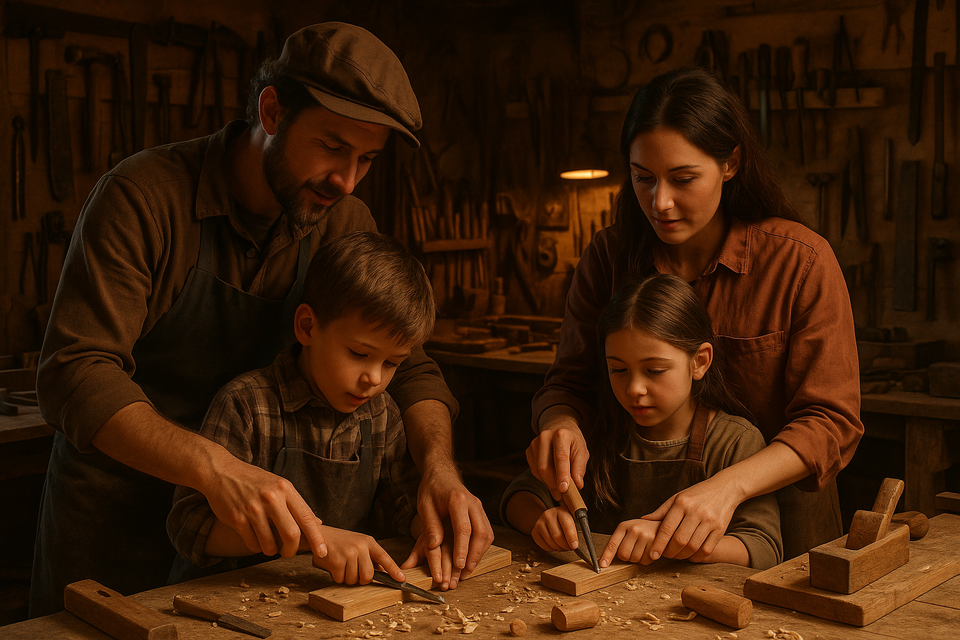
Throughout history, families have played a crucial role in preserving and teaching trades. When a parent passes down their skills to their child, they also impart lessons on dedication, patience, and pride in one’s work—values that are timeless. But how can families today ensure these traditions continue?
- Incorporate practical learning: Spend weekends working on projects together, whether it's a new piece of furniture or a simple home improvement task.
- Visit local workshops: Introducing younger generations to local artisans provides a tangible connection to the craftsmanship process.
- Storytelling: Share family histories and stories of past generations who worked in trades. This not only inspires but also gives young family members a sense of belonging and purpose.
The Intersection of Faith and Craftsmanship
For many, the practice of their trade is intertwined with deeper spiritual beliefs. This connection can be seen in the way time-honored skills require focus and mindfulness, aspects often associated with faith. Moreover, the creation of something beautiful or functional can be an act of stewardship—using one’s God-given talents to contribute positively to the world.
In Christianity, for example, the act of creation is celebrated as a divine gift. Teaching trades within this context allows families to weave faith naturally into daily life, nurturing both skill and spirit.
Opportunities in Modern Trades Education
Educational opportunities for learning trades have expanded significantly, bolstered by changes such as the revision of Pell Grants to support trade education. These grants provide accessible pathways for young people to explore trades without the financial burdens typically associated with higher education.
Moreover, organizations like the Kansas City nonprofit are helping guide new graduates into trades, reflecting a broader movement to make these skills more mainstream. Learning a trade is no longer seen as a fallback option, but as a first-choice career path with significant potential.
Crafting a Legacy for Future Generations
As we consider the legacy we leave, the craftsmanship of trades offers an avenue rich with potential. It’s about more than just economic opportunity; it’s about crafting a life of meaning and value. Teaching trades as a family tradition can cement skills, strengthen bonds, and ensure that future generations understand the importance of heritage and artistry.
No single blog post can capture the full essence of such a legacy. However, by bringing these ideas to life within our own families, we can ensure that the beauty of craftsmanship continues to flourish, long after we are gone.