Anchoring Tradition: Building Family Rituals That Sustain Wisdom Through Generations
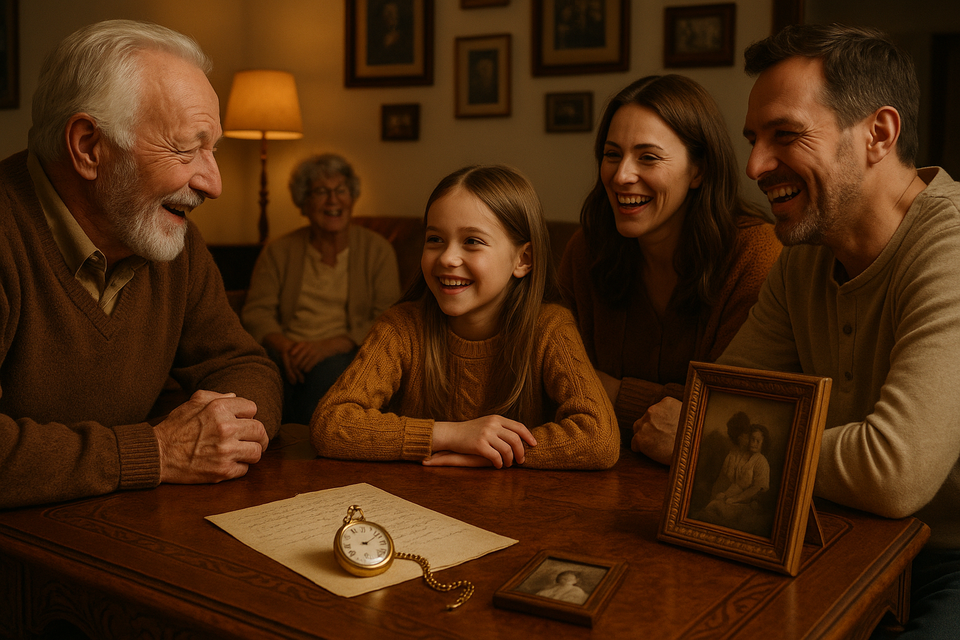
Family rituals are the invisible threads that bind us through generations, serving as anchors in the choppy seas of modern life. It's these regular, meaningful practices that connect us to our past and carry our legacy into the future. They are not merely for celebration; they are for grounding, teaching, and building a cohesive family narrative that transcends time. Let's dive into how we can craft these rituals to sustain wisdom through the ages.
The Power of Rituals: Beyond Celebration
Rituals offer more than just a reason to gather around the dinner table. They are instruments of education and unity. In Judaism, for example, rituals offer a structure that transcends daily tasks, connecting individuals to their community and history during times of loss and joy. This structure is not limited to religious practices but can be incorporated into all families regardless of faith or background. As eJewishPhilanthropy describes, rituals helped the author feel a profound connection to those who came before and those who will follow.
Concrete Examples of Family Rituals
Some families find wisdom in simple, recurring activities like Sunday dinners. These gatherings can be opportunities for younger generations to absorb stories and lessons from their elders. The Rosenthal family, as reported by The Wall Street Journal, uses their reunions not only for celebration but as a platform for imparting family wisdom and advice on financial success.
Passing Down Stories
Sharing stories that include both triumphs and failures creates a learning environment that equips younger generations with real-world knowledge and wisdom. These stories can be captured through journals, video recordings, or even podcasts that family members contribute to over time.
The Role of Physical Artifacts
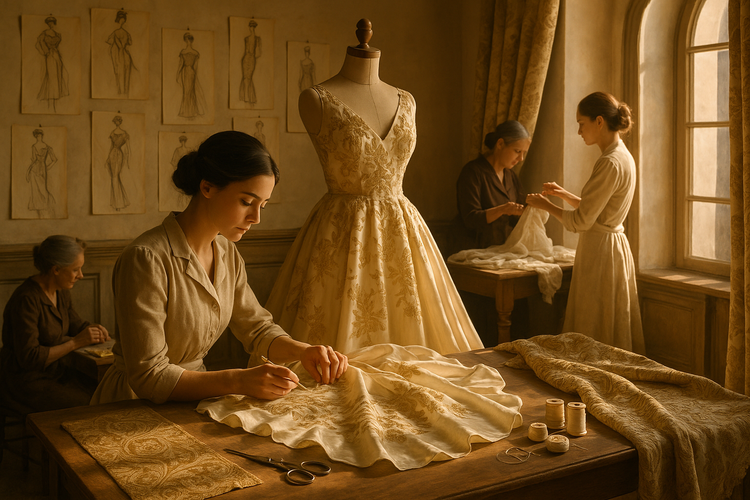
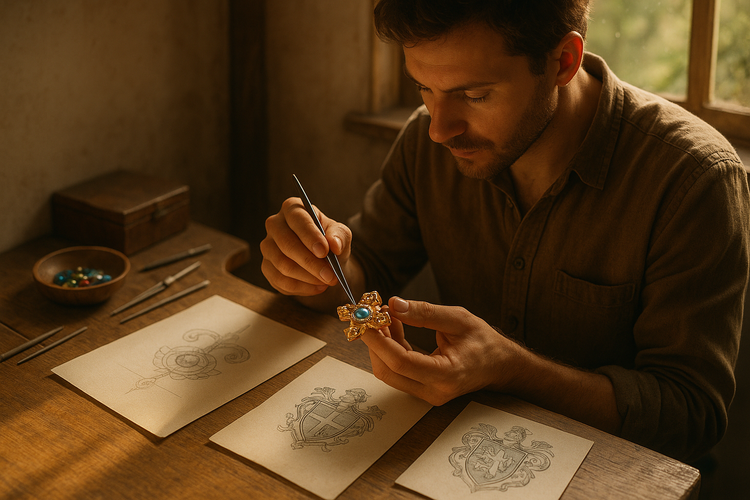
Artifacts such as family heirlooms or home décor that reflect family history can serve as conversation starters and reminders of shared values. As Vogue illustrates in its exploration of folklore interiors, these items provide a tactile connection to our heritage and can inspire family members to engage more deeply with their ancestry.
Personal Anecdotes: Creating New Traditions
In our own family, we've found profound joy and continuity in a tradition we call "Legacy Night." Once a month, we gather with our children to focus on one ancestor. We share their stories, their struggles, their victories. These evenings are filled with laughter, sometimes tears, but always a deeper understanding of who we are and where we come from.
Crafting New Traditions
It's important to remember that rituals need not be grand or elaborate. They can be as simple as a weekly walk or a monthly book club centered around family history themes. The goal is to make them authentic and sustainable, fitting seamlessly into your family's life.
Practical Steps To Establish Family Rituals
1. Identify Core Values: Start by discussing as a family what values you hold dear and wish to pass down.
- Consider what aspects of your heritage you find most meaningful.
- Discuss your long-term vision for your family legacy.
2. Incorporate Interests: Align rituals with shared family interests to ensure engagement and enjoyment.
- Artistic families might create a collaborative art piece each year.
- A family of readers might choose a "Book of the Year" to read and discuss.
3. Start Small: Begin with manageable rituals that can grow and evolve over time.
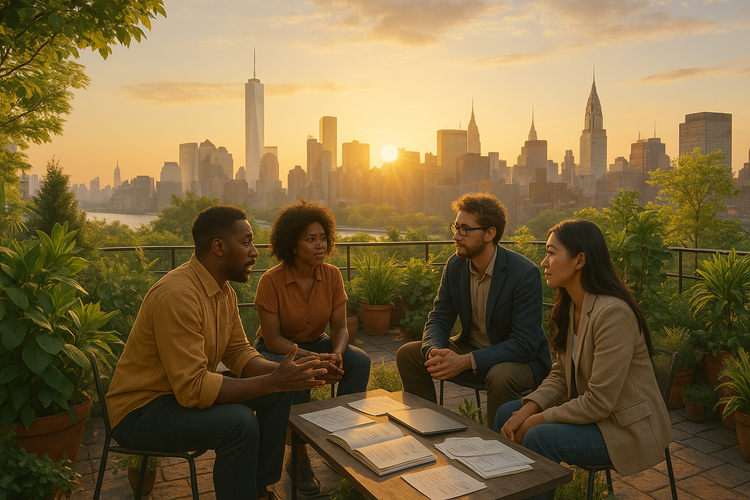
- Establish a monthly family check-in over dinner to discuss personal and family goals.
- Create a shared playlist of family favorite songs and dance or sing together.
Legacy and Faith: A Natural Intersection
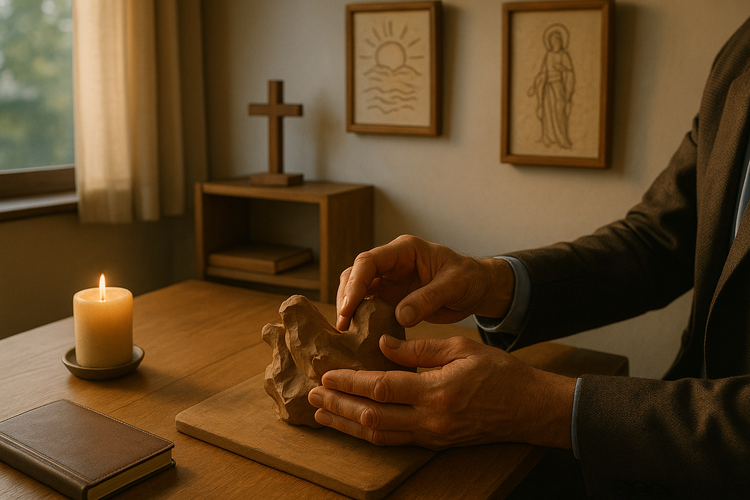
Faith can naturally inform and support the creation of family rituals. It provides a framework of values and beliefs that can guide decision-making and interactions. Whether it's a prayer said before meals or a moment of reflection at the end of the day, these small acts of faith can reinforce the larger narrative of your family's legacy.
As families grow and change, so too can their rituals. They are living practices that should evolve to meet the needs of each generation. By establishing strong, meaningful rituals today, we lay down the cornerstones of a legacy that will guide future generations long after we are gone.