Heritage Harvest: How Family-Owned Farms Can Cultivate Both Abundance and Everlasting Values
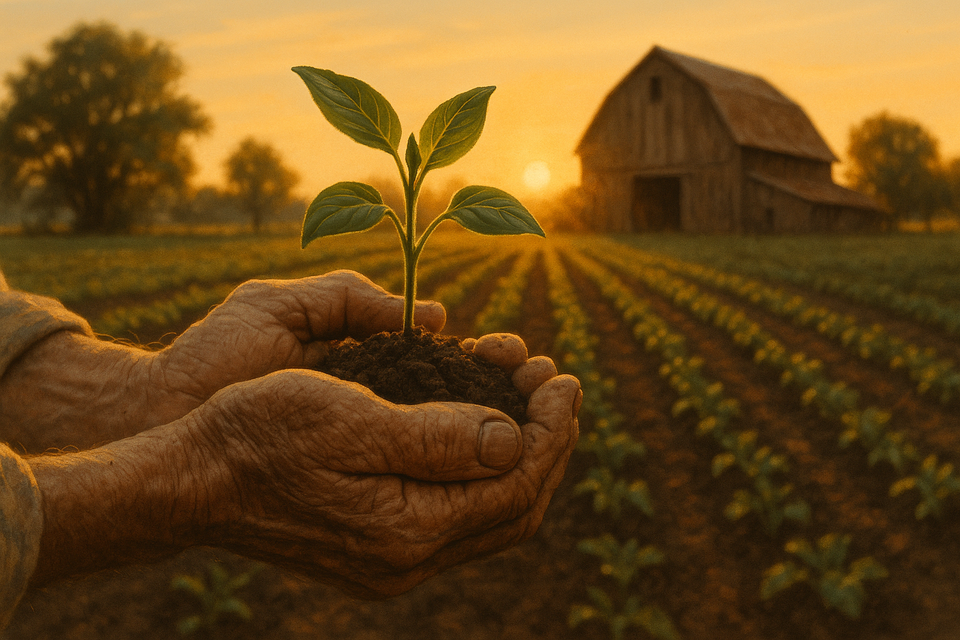
The Roots of Legacy in Family Farms
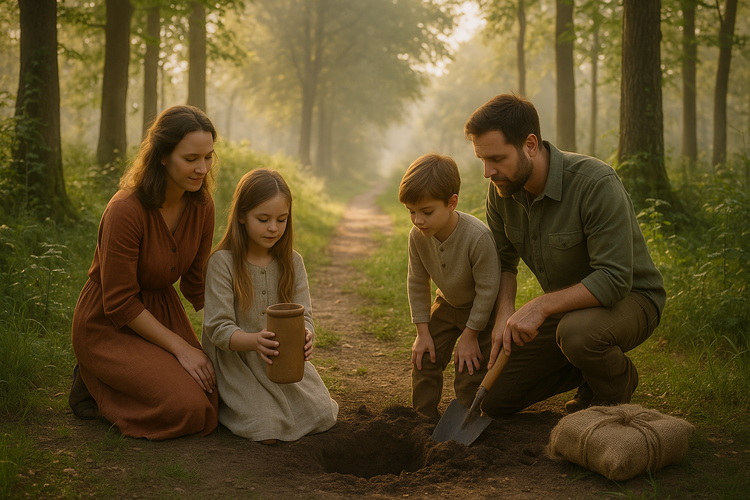
Walk onto a family-owned farm, and you're stepping into a living legacy. These farms are more than just operational entities; they are the embodiment of values, dreams, and a commitment to the land passed down through generations. For many families, farming is not just a way of life but a sacred trust where stewardship and purpose are key to maintaining their heritage.
Consider Easterday Farms, which holds a net worth that ranges between $500 million to $1 billion. Its success lies not just in its economic power but in a deeply ingrained family legacy, a collective mission that guides every decision (source).
Adapting to Modern Demands
Today's family farms face the challenge of adapting to modern demands while preserving their foundational values. The balance is delicate; the strategy involves embracing new agricultural technologies and methodologies without losing sight of the core reasons these farms exist.
Jackson Family Farms exemplifies this balance, as they have evolved by enhancing transparency and meeting contemporary market demands, all while honoring their heritage (source).
Incorporating Technology
Modern technology offers family farms tools to increase efficiency and sustainability. From advanced irrigation systems to drones for crop monitoring, technology helps these farms meet market demands without abandoning core values.
Maintaining Historical Practices
While technology becomes more integrated, many families cling to traditional practices that define their historical operations. These practices not only connect them to the past but often enhance the authenticity of their produce, creating a unique selling proposition in an increasingly competitive market.
The Role of Faith and Purpose
Purpose is a dynamic concept, especially crucial in the farming sector where climate, economic, and social pressures continuously evolve. For family farms, faith and purpose are the anchors, guiding them through volatile seasons and market shifts.
Adron Belk at Triple Run Farms in the Mississippi Delta emphasizes the importance of a strong family foundation and purpose. Belk's narrative demonstrates how faith and shared values can serve as a compass in maintaining the farm's legacy (source).
Defining a Farm's Mission
According to a study published in Frontiers in Psychology, redefining purpose as circumstances change can significantly improve psychological well-being and resilience in farming families (source).
Preserving Faith Through Challenges
Maintaining faith is crucial when farming families face existential threats. It provides strength and a framework for decision-making, ensuring that choices align with long-term goals rather than short-term pressures.
Estate Planning: Securing the Future
Estate and transition planning are critical components of sustaining a farm's legacy. Yet, they are often topics that families avoid. Starting these conversations early can safeguard against future disputes and ensure that the farm remains a viable entity for generations.
As Marrison from Farm Office states, end-of-life planning, while difficult, is necessary for organizing goals and securing the farm's legacy (source).
Creating a Shared Vision
Families must come together to create a shared vision that reflects both individual aspirations and collective goals. This vision acts as a roadmap, not just for economic decisions but for sustaining the core mission of the farm.
Legal Preparations
Ensuring that legal documents reflect the agreed-upon vision is key. This includes wills, partnerships, and succession plans that align with the farm's mission, ensuring a smooth transition through generations.
Building Community and Sharing Knowledge
Family-owned farms often serve as pillars of their communities, sharing knowledge and resources with neighbors and fostering a sense of communal resilience.
In Minnesota, Audrey Kletscher Helbling writes about the importance of reconnecting with rural roots and celebrating the shared heritage of farming communities. Her reflections highlight the joy found in community cooperation and shared heritage (source).
Community Engagement
Engaging with local communities not only strengthens the farm's support network but also enriches the cultural fabric of rural areas, ensuring that agricultural heritage is treasured and passed on.
Educational Initiatives
Many family farms participate in educational programs, opening their doors to the public to teach about sustainable practices and the importance of agriculture, thereby cultivating a deeper appreciation and understanding of farming in the next generation.
The path forward for family-owned farms lies in their ability to harmonize tradition with innovation, ensuring that they continue to flourish. They remain stewards of their land and heritage, nurturing not just crops but timeless values that nourish both soil and soul.