Generational Harmony: Designing Family Rituals That Foster Unity and Enduring Values

Amid the hustle and bustle of modern life, families often find themselves questioning how to maintain unity across generations. The answer, surprisingly, might lie in something as timeless as family rituals. These rituals, when thoughtfully designed, serve as the cornerstone for fostering unity and imparting enduring values that transcend fleeting trends.
The Importance of Family Rituals
Family rituals are more than just scheduled gatherings or routine activities. They are potent symbols of what your family stands for and values, deeply rooted in shared history and beliefs. In an era where many families are concerned about preserving their legacy, the structured approach to legacy planning is becoming increasingly common, particularly in Asia. Recent studies show that the share of families with fully documented legacy plans has more than doubled, highlighting a growing awareness of the need to prepare for generational transitions [1].
Defining Your Family's Core Values
Before establishing rituals, it’s crucial to define what your family values. This may seem like an abstract exercise, but it is essential for creating rituals that resonate and endure. What principles do you want to pass on? Faith, philanthropy, and stewardship? Perhaps resilience and entrepreneurship? Once you identify these core values, you can tailor family rituals to reinforce them.
Consider a family that values community service. They might establish an annual day of volunteering, engaging every generation in giving back, thereby reinforcing the value of philanthropy. This approach not only instills a sense of responsibility but also anchors the family's identity in service.
Creating Meaningful Rituals
Designing a meaningful family ritual involves a blend of creativity and tradition. Start by identifying activities that are both enjoyable and significant. The key is to ensure these rituals are not burdensome but rather eagerly anticipated events that bring the family together.
Annual Family Retreats
An example of a successful family ritual is the annual retreat. This can be a time for reflection, goal-setting, and simply enjoying each other's company away from the distractions of everyday life. Retreats allow families to reconnect, realign with their values, and discuss future plans. Such gatherings also provide an excellent opportunity for involving younger family members in discussions about legacy and planning, which 70% of families find challenging, as they worry about preserving their wealth beyond the next generation [1].
Storytelling Sessions
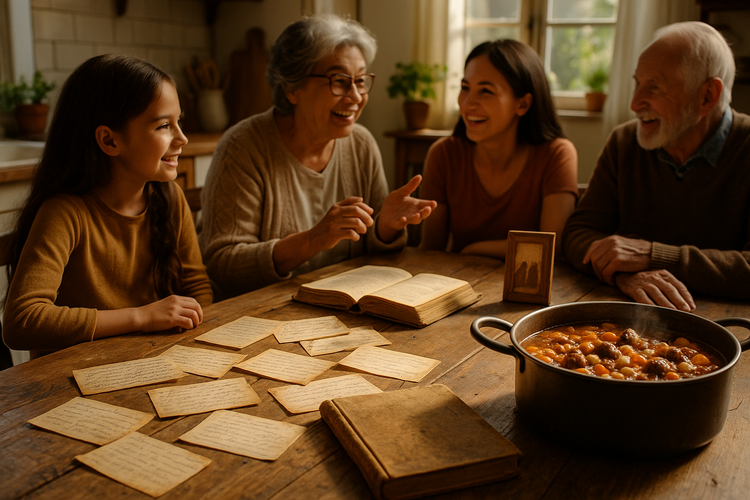
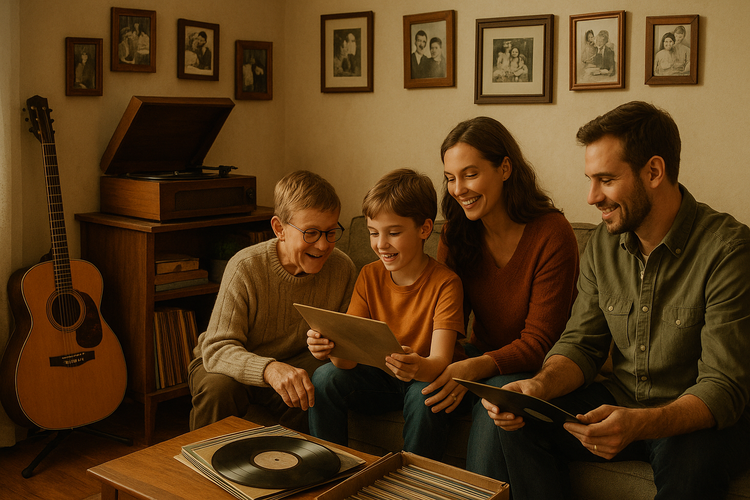
Another powerful ritual is the tradition of storytelling. Stories are the fabric that connects one generation to the next, weaving together experiences and lessons that form the family's collective memory. This can be achieved through regular family gatherings where elders share their life experiences and insights, thus fostering a culture of learning and appreciation for the family's history.
Involving the Next Generation
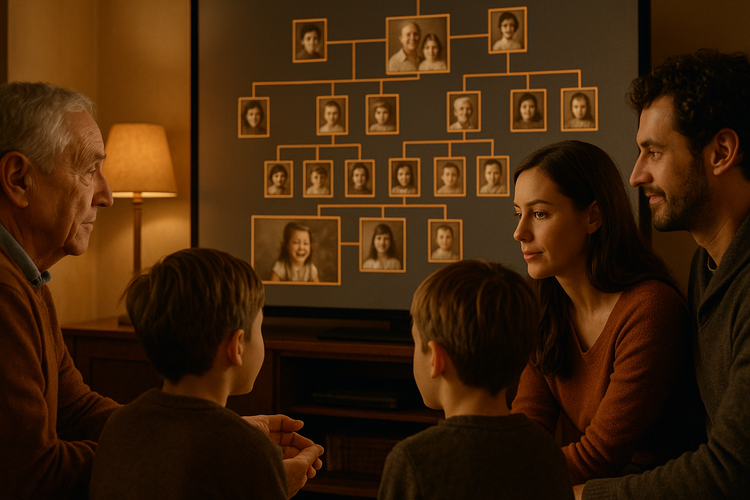
For family rituals to remain relevant, it is vital to involve every generation in their creation and evolution. A ritual becomes more meaningful when each family member sees their contribution reflected in it. Moreover, involving younger members in these discussions prepares them to take on responsibilities, addressing the concern that many heirs are unprepared for legacy management [3].
Engaging in Decision-Making
Empower the next generation by including them in decision-making processes early on. This can be as simple as inviting them to choose the location for the next family retreat or involving them in charitable decisions. This practice not only instills confidence but also teaches important lessons about leadership and stewardship.
Adapting Rituals Over Time
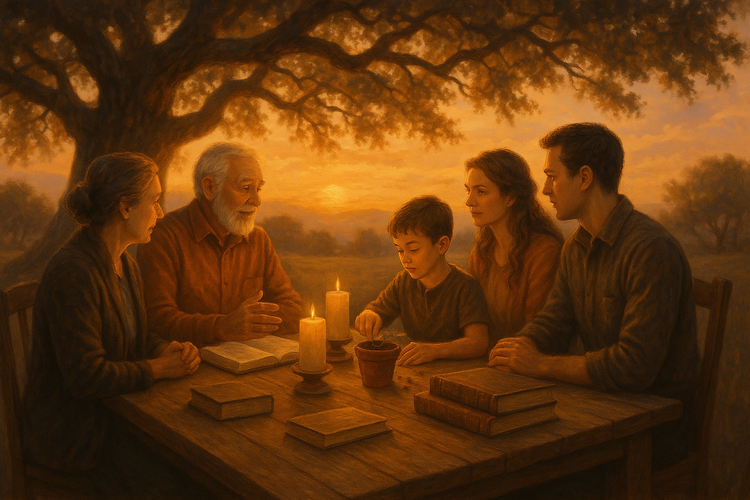
While the foundation of your family's values should remain consistent, it's important to adapt rituals to remain engaging and relevant. This might involve incorporating technology or adjusting the format to better fit contemporary lifestyles. For instance, a family with strong faith traditions might integrate modern media, such as podcasts or video conferences, to include distant relatives in faith-based discussions, enhancing the sense of togetherness even from afar.
According to Publishers Weekly, religious publishers are increasingly looking to assist modern families in integrating faith into everyday life, thereby providing tools that can strengthen these rituals [2].
Legacy Beyond Wealth
Ultimately, true legacy involves more than wealth transfer; it encompasses the transmission of values and purpose. The "Great Wealth Transfer" should simultaneously be a "Great Values Transfer," encouraging families to ponder not just how wealth is transferred, but why [7]. Family rituals are the vessels for this transfer, offering a means to solidify values that money alone cannot achieve.
As you design these rituals, remember they are a conduit for love, learning, and legacy—elements that will outlast any financial inheritance. In the process, you’ll create a tapestry of cherished memories and guiding principles that will serve your family for generations to come.