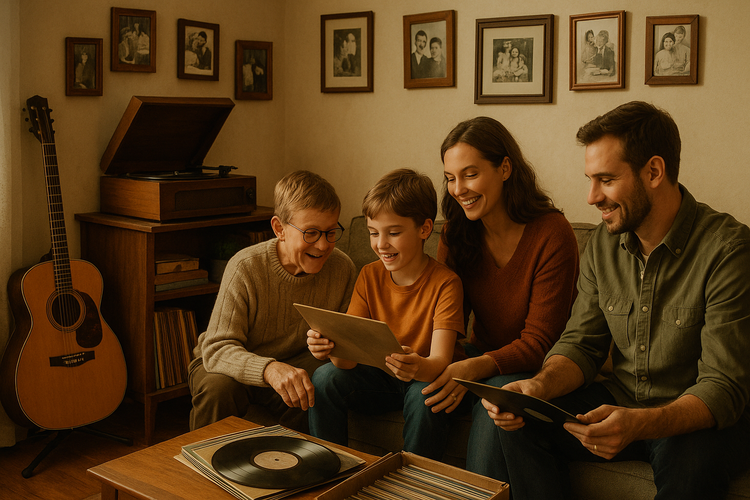
Crafting Legacy in Architecture: Designing Family Retreats as Sanctuaries of Heritage and Connection
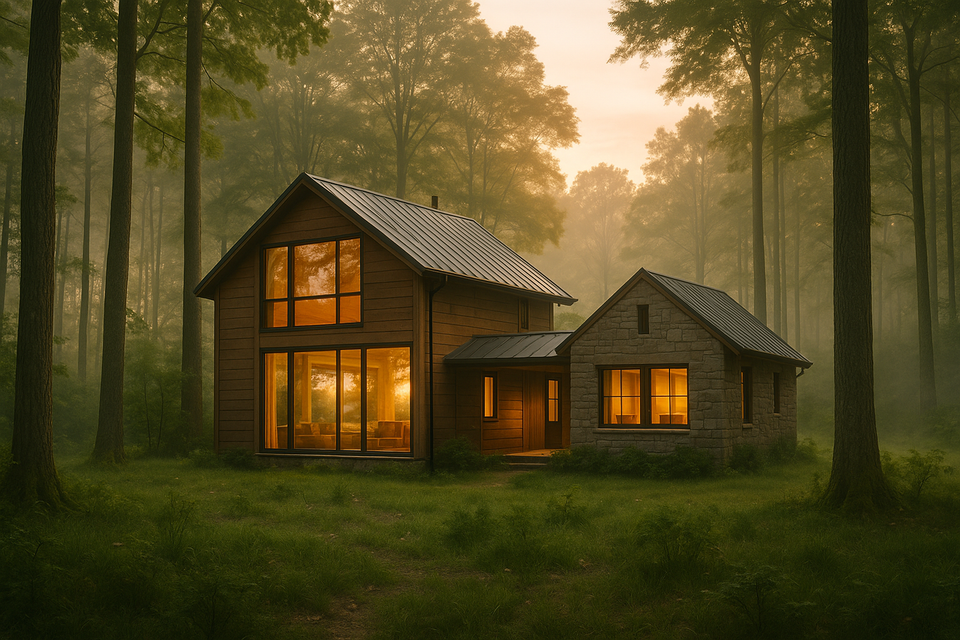
Imagine a sanctuary where every corner whispers stories of kinship and every stone echoes the laughter of generations past. Designing a family retreat isn't just about building a beautiful home; it's about crafting a legacy—a tangible, sacred space where heritage endures and memories are made. In this article, we'll explore the architectural nuances that transform family homes into enduring sanctuaries, blending luxury with deeply-rooted family values.
The Rise of the Legacy Compound
In recent years, a trend has emerged among affluent families seeking to create not just a home, but a legacy compound. These retreats serve as multigenerational headquarters, accommodating various family units under one roof, and are built with the intention of being passed down as a single, shared asset. Unlike traditional luxury estates, which may focus on individual grandeur, these compounds are designed to foster ongoing family connections and communal living. As the Renova Lab Dream Home highlights, such compounds are becoming a new standard among America's wealthiest households.
Architectural Trends Shaping Family Retreats
The architectural trends of 2026 are reflecting the desire for homes that are not only beautiful but functional and sustainable. According to New Wave Magazine, architecture is shifting towards more adaptable and sustainable designs. Family retreats are increasingly incorporating flexible spaces to accommodate changing family dynamics. These spaces can transform for different activities—whether it's a quiet home office for remote work or a spacious room for family gatherings.
Multigenerational design is also gaining traction. As noted on EA Home Design, homes today often need to accommodate a diverse array of family members, from grandparents to grandchildren. This includes thoughtful details like widened doorways for accessibility and adaptable rooms that can be repurposed as needed.
The Role of Tradition and Craftsmanship
Craftsmanship and tradition are central to the soul of a family retreat. Drawing inspiration from workshops like "Furnishing Utopia," shared by the AIANY, architecture can breathe new life into historical styles. By incorporating materials and design elements that honor family history—such as using wood from the ancestral homestead or stone from the family's original land—retreats can offer a tangible connection to the past.
Consider the impact of a family crest etched above the stone hearth or family heirlooms integrated into the home's design. These elements do more than decorate; they transform a house into a home steeped in legacy.
Case Studies: Existing Family Sanctuaries
One notable example of a family retreat designed with heritage in mind is a coastal estate where each room is dedicated to the artistic pursuits of its inhabitants. The estate features a music room lined with family portraits and instruments that have been passed down through generations. Such spaces are not merely functional; they are sanctuaries for nurturing family talents and traditions.
Another example can be seen in an estate designed for a multigenerational family whose home includes shared and private spaces, balancing community living with individual privacy. It features communal kitchens and living areas where family members can gather, alongside private suites that offer solitude when needed.
Actionable Steps for Designing Your Family Retreat
For those inspired to create their own family sanctuary, consider these practical steps:
- Integrate Family Heritage: Use materials and design elements that reflect your family's history. This could include reclaimed wood from a family barn, or tiles featuring family patterns.
- Focus on Flexible Spaces: Design rooms that can be adapted for different uses, whether for homeschooling, remote work, or family gatherings.
- Prioritize Sustainability: Incorporate sustainable materials and technologies to ensure the retreat's longevity for future generations.
- Blend Tradition with Innovation: Balance traditional design motifs with modern comforts like smart home technology.
By focusing on these elements, families can create a retreat that not only serves as a place of rest but as a testament to their shared journey and aspirations.
In designing these sanctuaries, we invest not only in bricks and mortar but in the future generations who will walk these halls. Our family retreats become the cornerstone of a legacy, speaking volumes about our values and vision. As we embrace the architectural trends of today, let's remember that the true value lies in the stories these homes will continue to tell long after we are gone.