Crafting Kinship Chronicles: Using AI to Capture and Evolve Family Stories Over Time

Imagine sitting at a family gathering, enveloped by laughter and stories of yesteryears. These narratives weave the fabric of our identity, yet many are lost to time. Today, with AI's power, we can transform how we preserve and evolve these family stories, creating a living legacy for generations to come.
Why Family Stories Matter
Family stories are more than just tales of the past; they are the threads that connect us through time. They provide context to our present and guidance for our future, echoing the values and lessons of those who came before us. This rich tapestry of experiences shapes our worldview and informs our decisions.
Utilizing AI for Storytelling
Artificial Intelligence is not here to replace the warmth of a grandparent’s voice or the spark in a child’s eye when they hear a story for the first time. Instead, AI serves as a tool to capture, organize, and even enhance these narratives. Leveraging AI tools, we can create digital archives that make storytelling an evolving entity.
AI's Role in Documentation
AI can assist in documenting stories by transcribing oral histories and preserving them in formats that are easy to share and access. For instance, tools like Otter.ai can record, transcribe, and organize family interviews, ensuring that no detail is lost.
Enhancing with AI Creativity
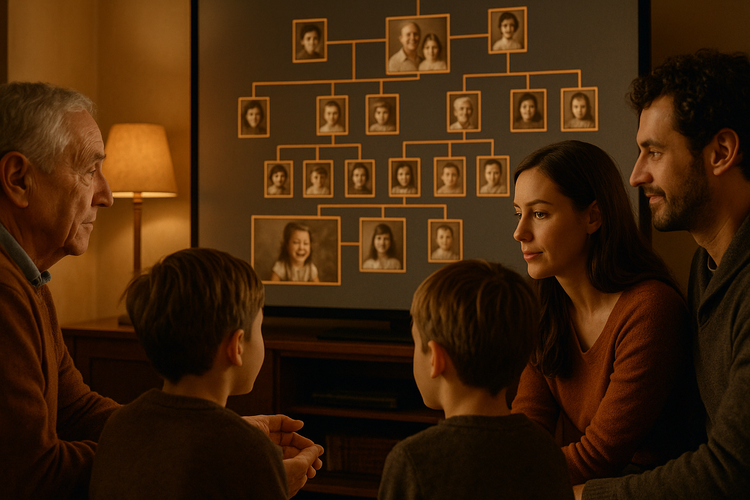
Beyond documentation, AI can enhance storytelling through creative means. By analyzing themes and styles within a narrative, AI can suggest context for incomplete stories or create visual representations, like family trees or timelines, that bring stories to life.
Practical Steps to Get Started
Integrating AI into your family storytelling doesn’t require a tech-savvy background. Here are practical steps to begin:
- Identify Stories Worth Telling: Start with the stories and memories that resonate with your family. Use AI to help organize and prioritize these tales.
- Choose the Right Tools: Explore AI transcription services, digital storytelling software, and creative applications that align with your family’s needs.
- Create a Digital Archive: Use cloud storage solutions to keep all stories accessible and secure for future generations.
- Collaborate with Family Members: Encourage relatives to contribute their stories and perspectives, enriching the narrative tapestry.
Overcoming Challenges
While AI offers incredible possibilities, it’s essential to address potential challenges, such as ensuring privacy and managing digital rights. Families must consider how their information is stored and who has access to it.
Moreover, balancing AI’s efficiency with the irreplaceable authenticity of human experience is key. AI can assist in capturing and enhancing stories, but the heart of storytelling remains human.
The Legacy of AI-enhanced Storytelling
Ultimately, the goal is to create a living legacy, a digital anthology that evolves and grows with each generation. As we blend tradition with technology, we honor those who came before while paving the way for those yet to come.
Incorporating AI into family storytelling is not just about preserving the past; it’s about crafting a narrative that is alive and accessible, nurturing the roots of legacy that feed into the future. As you embark on this journey, consider how this blend of age-old lore and cutting-edge technology can serve as a testament to faith, resilience, and family values.