Weaving Generosity: How Luxury Textiles Can Tell a Story of Family Values and Giving
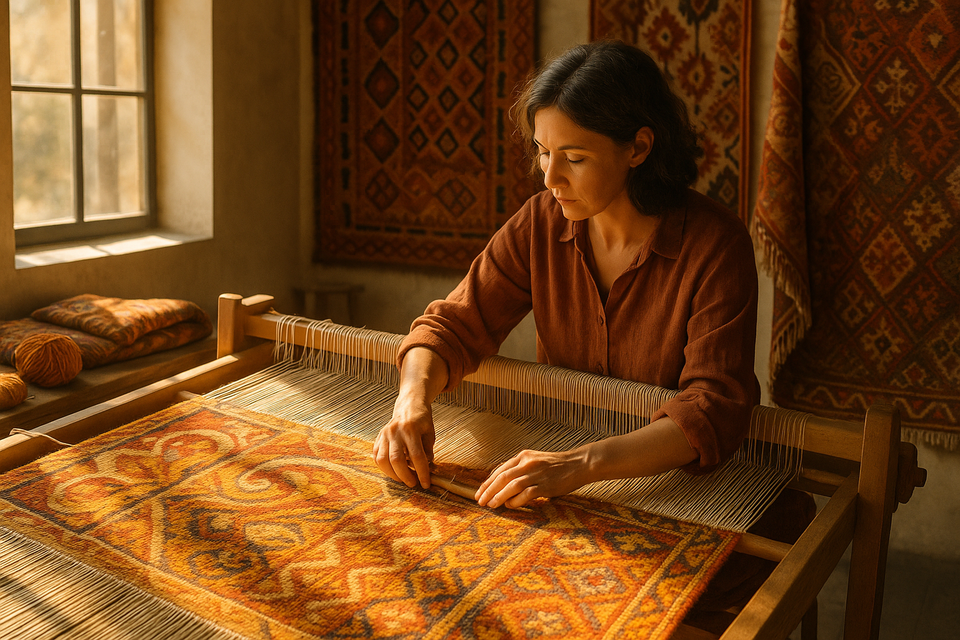
In the world of luxury textiles, every thread tells a story. And when those threads weave together narratives of family values and philanthropy, they create a tapestry far richer than any fabric alone. This is the art of weaving generosity—a practice that elegantly combines craftsmanship, heritage, and giving.
The Legacy of Luxury Textiles
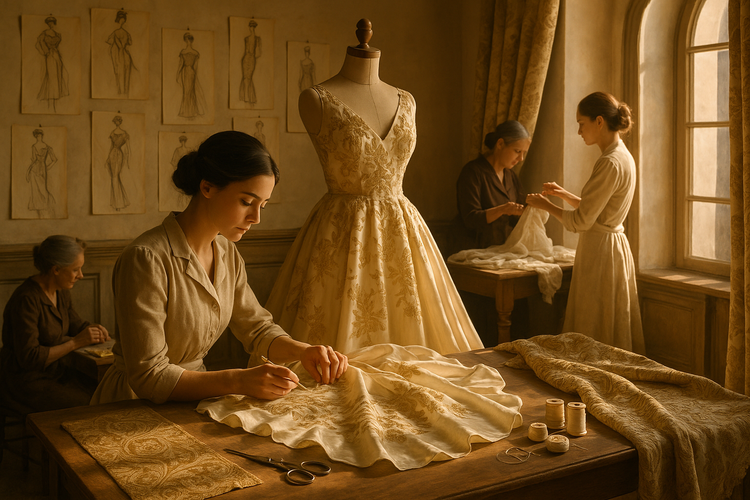
Luxury textiles have long been symbols of status and taste. However, their significance transcends mere aesthetics. For families invested in the textile industry, these fabrics often represent legacy and identity. For instance, the House of MO in Nigeria reimagines cultural identity through contemporary fashion, blending traditional craftsmanship with modern design (source: Vanguard Allure).
To sustain such a legacy, many families look beyond the immediate financial gains. They focus on building a lasting heritage that includes social good. In doing so, they pass down values that align with both their personal beliefs and their family’s reputation.
Integrating Philanthropy into Luxury Business Models
Family businesses in the luxury textile sector are increasingly integrating philanthropy into their core business models. This integration not only enhances their brand story but also aligns with the growing consumer demand for ethically responsible products.
Elevating Artisans' Lives
Consider the collaboration between London designer Maximilian Raynor and Madagascar-based brand Made for a Woman. This partnership highlights how luxury fashion can lift communities. By involving local artisans in the creation of intricate textile panels, they ensure that craftsmanship is valued and compensated fairly (source: Vogue).
Family Values at the Core
Some family businesses incorporate charitable foundations to oversee their philanthropic endeavors. These foundations allow them to give back to the communities that have supported their growth, passing the spirit of charity from generation to generation (source: China Daily).
Real-World Examples of Philanthropic Luxury
Abercrombie & Kent Philanthropy (A&KP) is a prime example of integrating social impact into luxury. Through their philanthropic arm, they enable guests to contribute to projects they visit, such as wells in Cambodia, making philanthropy a tangible part of their luxury experience (source: Vogue).
Case Study: TEX+
The UK textile charity TEX+, with its roots in Texprint and TexSelect, showcases how philanthropy can be pivotal in the arts. By encouraging collaboration and innovation at events like Première Vision, TEX+ not only promotes design excellence but also supports up-and-coming designers (source: FashionUnited).
Crafting a New Narrative
Luxury brands can no longer rely solely on the allure of opulence. They must weave narratives that resonate on moral and ethical levels. Indian crafts, often romanticized as exotic, are seen by some as luxury’s moral alibi, a means of adding depth and soul to the industry (source: Business of Fashion).
The Role of the Next Generation
The next generation of family leaders is crucial to sustaining this legacy of philanthropy. As they engage in decision-making and stewardship, they bring fresh perspectives to traditional practices. Encouraging them to participate in philanthropy develops their decision-making muscles and prepares them for future leadership roles (source: The Business Times).
By intertwining luxury with philanthropy, these families not only maintain their heritage but also enhance their brand's story, ensuring it reverberates with authenticity and purpose.