The Parchment of Yesterday: Building a Family Legacy Through Personalized Journals and Handwritten Letters
In an era where digital communication dominates, the tactile experience of a handwritten letter or the personal touch of a journal can feel like a breath of fresh air. These items do more than convey information; they encapsulate emotions, thoughts, and experiences in a way that digital texts often can't. As we delve into the art of building a family legacy through personalized journals and handwritten letters, it's not just about preserving history—it's about crafting a narrative that speaks to future generations.
The Art of Personalization: Journals as Legacy Keepers
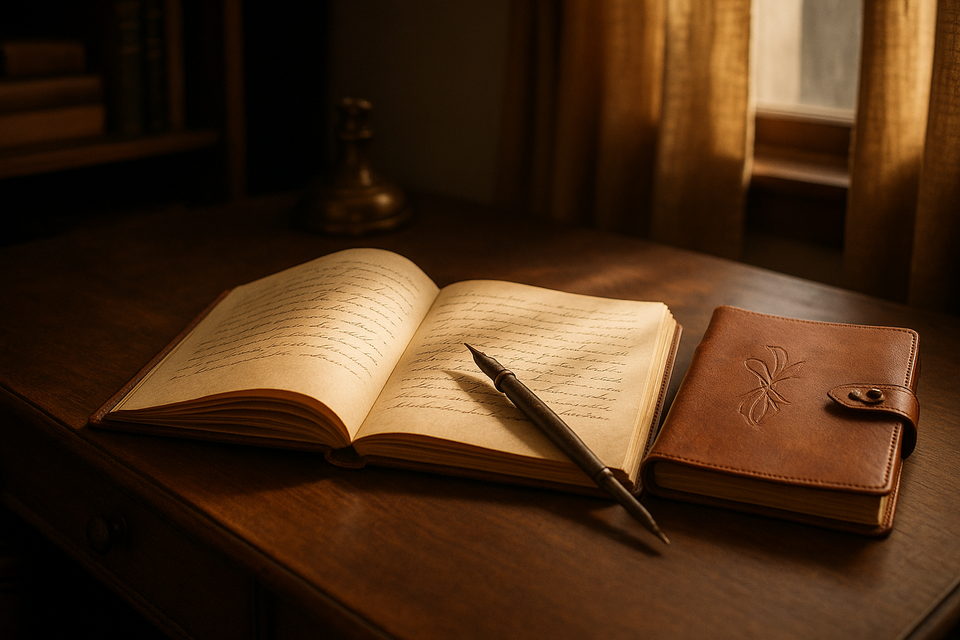
Personalized journals are more than just blank pages waiting to be filled. They are vessels of personal history, revealing the nuances of a writer's inner world. Historically, journals have been adorned with personal emblems or family crests, creating a tangible connection to their owners. According to Epica, personalization serves to deepen this bond, transforming a simple object into a cherished heirloom.
Choosing the Right Journal
The journey begins with selecting the right journal. Craftsmanship matters—a leather-bound journal with acid-free pages ensures durability and a touch of elegance. Opt for one that invites you to touch it, to write in it. It's about creating an experience, one that you'll want to repeat each time you fill its pages.
Documenting Family Stories
Use your journal to document family stories, milestones, and traditions. This isn't about recording daily minutiae; it's about capturing the essence of your family's character. The story of your grandmother's courage during challenging times, your father's unwavering faith, and the whimsies of childhood—these are the narratives that, when compiled, form a mosaic of your family's legacy.
The Enduring Power of Handwritten Letters
In a world of instant messaging, handwritten letters hold a weighty nostalgia. They are more than words—they are a testament to time and effort. Letters can express deep emotions and thoughts that often get lost in the brevity of digital communication. According to Funeral.com, preserving handwritten letters is a powerful way to maintain emotional connections with loved ones.
Writing with Intention
When writing a letter, intention is key. Choose your words carefully, and let your hand guide the pen with sincerity. This is your moment to connect with future generations, sharing wisdom, love, and encouragement that will resonate long after you're gone.
Preserving Handwritten Letters
Preservation is essential. Store letters in a temperature-controlled environment away from direct sunlight. Consider digitizing them for an additional layer of security, ensuring your words endure even as paper may age. This dual approach ensures the physical and digital survival of your legacy, as noted by Evaheld.
Digital Meets Physical: A Hybrid Approach
While the physicality of journals and letters is irreplaceable, digital technologies offer complementary advantages. Digitizing content can protect against the ravages of time, ensuring your legacy is preserved even if the physical items deteriorate. As Evaheld suggests, a strong legacy involves a balance between preserving original artifacts and embracing digital security.
Creating Digital Archives
Scan your journals and letters to create digital archives. These files can be backed up and shared with family members, providing a safeguard against physical loss. Digital formats may evolve, but the information remains accessible, ensuring your legacy is not only preserved but also shared widely within your family.
Crafting a Lasting Family Legacy
Building a family legacy isn't a one-time task; it's an ongoing journey that requires dedication and love. Start by setting aside time each month to write in your journal or draft a letter. Encourage family members to do the same, fostering a culture of storytelling and memory preservation.
Practical Steps to Get Started
- Choose Your Medium: Decide whether you'll begin with a personalized journal or handwritten letters. Consider what feels most accessible and sustainable for you.
- Set a Routine: Dedicate time each week or month to writing. Consistency is key to building a substantial collection over time.
- Involve Family: Encourage family members to contribute their stories, creating a collaborative effort that enriches the legacy.
- Preserve and Share: Regularly review your collection, digitize important entries, and share them with family. This continuous engagement keeps the legacy alive and relevant.
The heart of a family legacy beats in the stories we choose to tell and the memories we decide to preserve. Personalized journals and handwritten letters are not just methods of recording history—they are acts of love, connecting past, present, and future in a tapestry of enduring legacy.