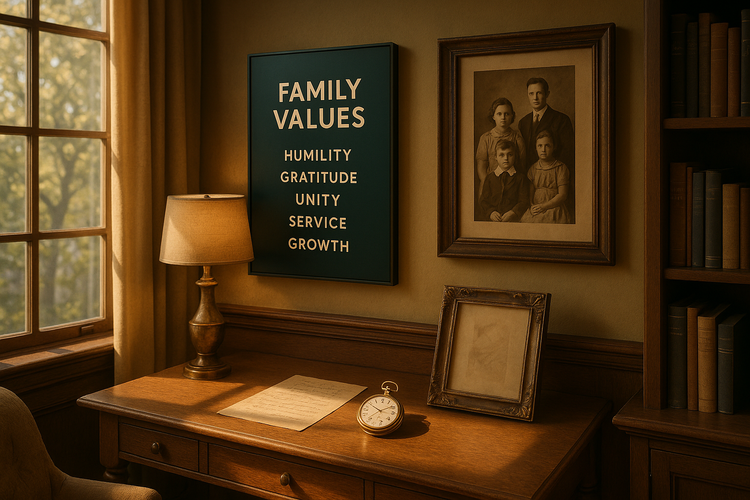
Origami of Legacy: Crafting Family Symbolism Through Traditional and Modern Art Forms
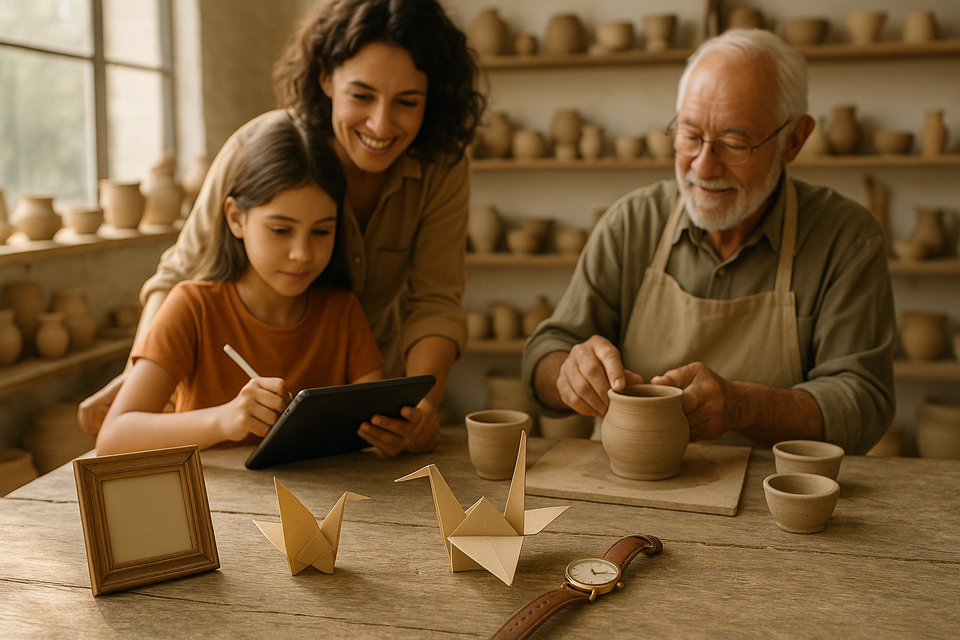
In a world that often seems dominated by the impermanent and the fleeting, the notion of legacy holds a special kind of permanence. The art of crafting a family legacy through the blending of traditional and modern art forms is akin to the delicate folding of origami—each crease symbolic and intended, contributing to a legacy that is both fragile and enduring. This article explores how families, through creative expression, can craft enduring symbols of their values, history, and vision for the future.
Traditional Art Forms as the Foundation
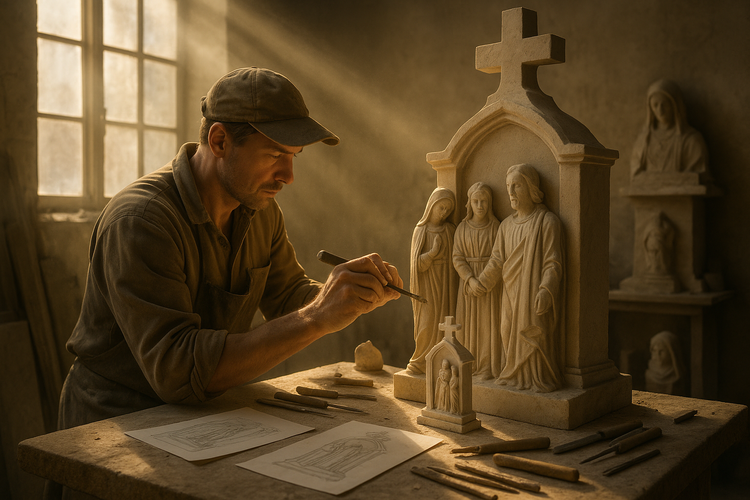
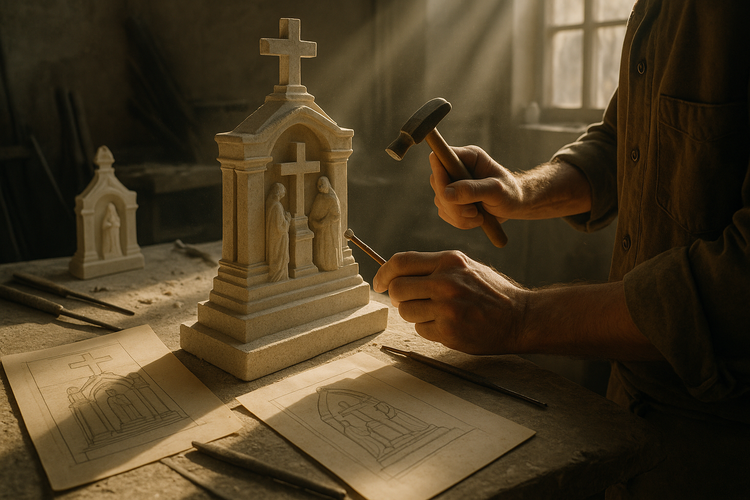
Traditional art forms have long been the backbone of cultural identity, passed down through generations like sacred heirlooms. These include everything from folk crafts and textiles to painting and sculpture. According to a study on family transmission of crafts, the practice of family art forms significantly strengthens bonds and ensures continuity across generations [1]. In this way, traditional art is not merely a reflection of the past, but a foundation upon which new expressions can be built.
Case Study: The Potter Family
Take, for example, the Potter family from rural England, who have been crafting ceramics for over five generations. Their traditional methods have been carefully preserved, yet they have innovated by incorporating modern techniques such as digital design and 3D printing. This fusion not only preserves their legacy but also keeps their work relevant and admired in contemporary circles.
Modern Art’s Role in Legacy Building
While traditional art forms carry the wisdom of ages, modern art offers a blank canvas for innovation and expression. The challenge and beauty of modern art lie in its ability to convey abstract concepts, often using unconventional materials and techniques. By embracing both the old and the new, families can shape a legacy that reflects their dynamic identity.
Integrating Technology with Tradition
Consider the use of digital media and technology in augmenting traditional art forms. Families can create digital archives of their art, ensuring that their legacy is preserved well beyond physical limitations. The integration of augmented reality can bring traditional collections to life, offering an immersive experience for future generations.
Symbolism in Art and Legacy
The symbolic nature of art is one of its most potent qualities. Through symbolism, a family can articulate values, aspirations, and histories in a way that transcends language and time. The language of symbols has been a part of art history, serving as a vessel for religious and cultural narratives [2].
Creating a Family Crest
A modern example is the design of a family crest that incorporates both ancient heraldic symbols and personal motifs significant to the family’s journey. These symbols become not only a representation of family history but also a guiding narrative for future generations.
Art as a Unifying Family Experience
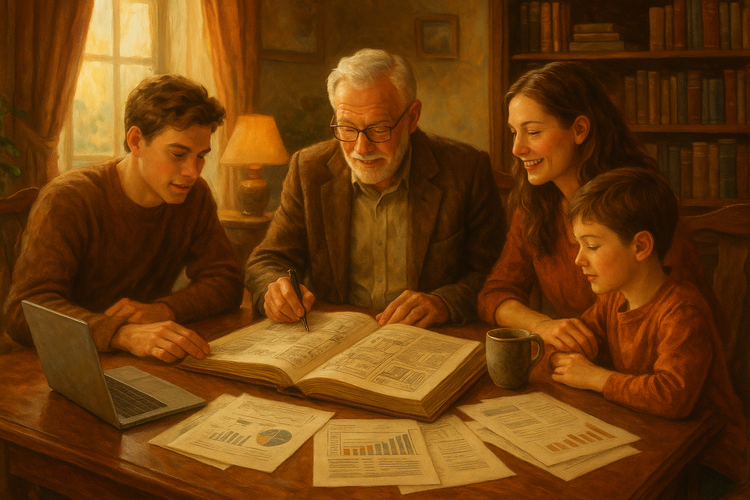
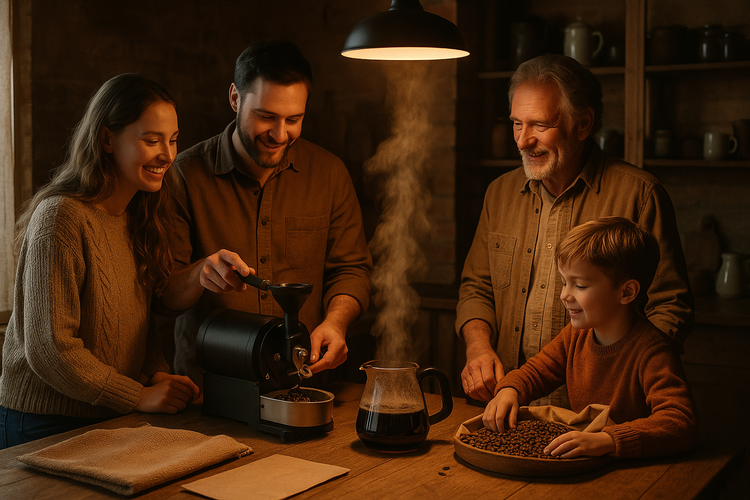
Engaging in the creation of art as a family is not just about the end product but the process itself. The act of creating art together fosters communication, collaboration, and shared memory—elements essential for familial cohesion.
Family Art Workshops
Consider organizing regular family art workshops where members of all ages participate in creating pieces that speak to their shared experiences. This can be as simple as a collaborative painting or as complex as a multimedia project that involves music, video, and sculpture.
Legacy Beyond the Family
While creating art and legacy within the family is paramount, extending that influence beyond immediate kin can amplify impact. Art has the power to inspire communities, challenge societal norms, and even instigate change. In this way, a family’s legacy through art can become a beacon of culture and innovation.
Philanthropic Art Initiatives
Families can establish or support art initiatives that educate and empower communities, preserving traditional art forms while fostering new talent. Such initiatives can ensure that the family’s legacy is one of stewardship and service, aligned with broader social and cultural goals.
Ultimately, the art of crafting a legacy is less about the objects created and more about the values and stories those objects embody. By intertwining traditional and modern art forms, families not only preserve their history but also carve pathways for future narratives. Through the varied strokes of paint or the complex folds of paper, a family’s presence extends into the future, whispering tales of identity, perseverance, and hope.