Legacy through Landscapes: Cultivating Gardens as Living Testaments to Family History
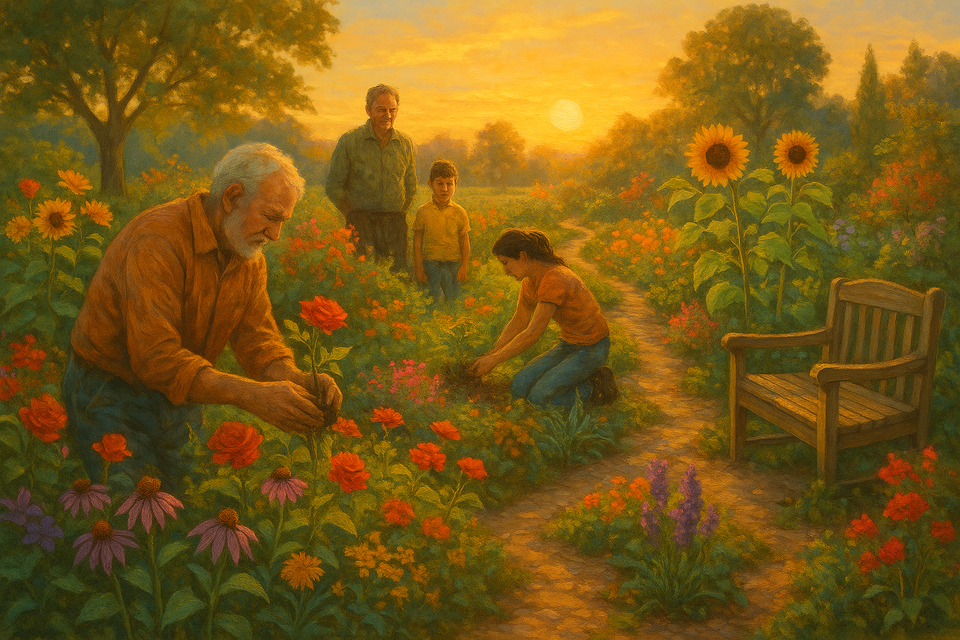
The Garden as a Storyteller
Gardens have long been a canvas for personal expression, a place where nature and human creativity merge beautifully. Yet, they can be much more than just aesthetic spaces—they can serve as living legacies that tell the stories of our families. Imagine walking through a garden where each plant, tree, and rock holds a tale of family history, a memory of a loved one, or a celebration of life milestones.
Crafting such a garden requires intentionality and an understanding of how to express family narratives through nature's language. From choosing plants that symbolize traits or stories to designing paths that mimic family journeys, the possibilities are vast and profoundly personal.
Choosing Symbolic Plants
The foundation of any legacy garden lies in the plants you choose. Each plant can symbolize different aspects of family history or individual family members. Roses, for instance, might represent enduring love and resilience, while oaks can symbolize strength and endurance.
Examples of Symbolic Plants
- Roses: Often associated with love and honor, they could commemorate weddings or anniversaries.
- Oak Trees: A family might plant these sturdy trees to symbolize a strong family foundation or to honor ancestors.
- Lavender: With its calming effects, it might be used to remember peaceful family moments or as a tribute to a family member known for their tranquility.
These choices should resonate with your family's unique story, creating a tapestry of growth and remembrance.
Designing with Purpose
Incorporating legacy into a garden is more than just selecting plants; it's about designing spaces that reflect familial values and traditions. Paths that meander through the garden could symbolize life's journey, while secluded nooks invite reflection and connection with past generations.
Practical Design Tips
Consider creating a layout that mirrors family values. For example, a circular garden can represent unity and eternity, with plants arranged in ways that reflect family dynamics or shared experiences.
- Family Gathering Spaces: Incorporate seating areas where family members can gather, share stories, and celebrate milestones.
- Memory Corners: Dedicate small spaces to specific family memories or ancestral tributes, perhaps marking them with plaques or dedicated plants.
- Water Features: These can be soothing elements that represent life's flow and the passing on of family wisdom through generations.
Design choices should aim to facilitate interaction, celebration, and meditation, enhancing the garden's role as a living testament to family legacy.
Sustainability and Stewardship
Legacy gardens also offer an opportunity to practice stewardship and sustainability, aligning with values that resonate across generations. By adopting eco-friendly gardening practices, you not only honor the earth but also leave behind a nurturing environment for future generations.
Eco-friendly Practices
- Native Plants: Choosing plants that are native to your area can reduce water usage and support local wildlife.
- Composting: Reinforce the cycle of life by composting garden waste and enriching the soil naturally.
- Water Conservation: Implementing drip irrigation systems or rainwater collection can sustain the garden without excessive resource use.
These practices ensure that your legacy garden is not just a reflection of the past but a beacon for future sustainability.
Inspiring Generations
A garden cultivated with legacy in mind does more than commemorate the past; it inspires future generations to understand and appreciate their heritage. As children play among the plants and paths, they learn the stories of their ancestors and gain an appreciation for the values that shaped their family.
Sharing gardening tasks can also be a way to pass down family traditions, teaching younger members about the importance of care, patience, and hard work. In this way, a legacy garden becomes a living classroom, nurturing both plants and people.
Embodying a Living Testament
In a world that's increasingly digital and transient, creating a garden as a living testament offers a tangible, enduring connection to family history. It stands as a physical manifestation of the love, traditions, and values that define a family, providing a sanctuary for reflection and a platform for storytelling.
By cultivating such spaces, we create living monuments that not only honor our past but also shape our future, embodying the legacy of stewardship, sustainability, and familial bonds.
Sources
- Market Trends From Around the Sound | Q2-2026, Realogics SIR, Fri, 24 Jul 2026
- 2026 Summer Issue, National Garden Club, Wed, 01 Jul 2026
- Luxury Home Design Trends for 2026, Randy Solakian Estates Group, Thu, 16 Jul 2026