Legacy in Stone: Building Family Monuments That Tell Stories Across Generations
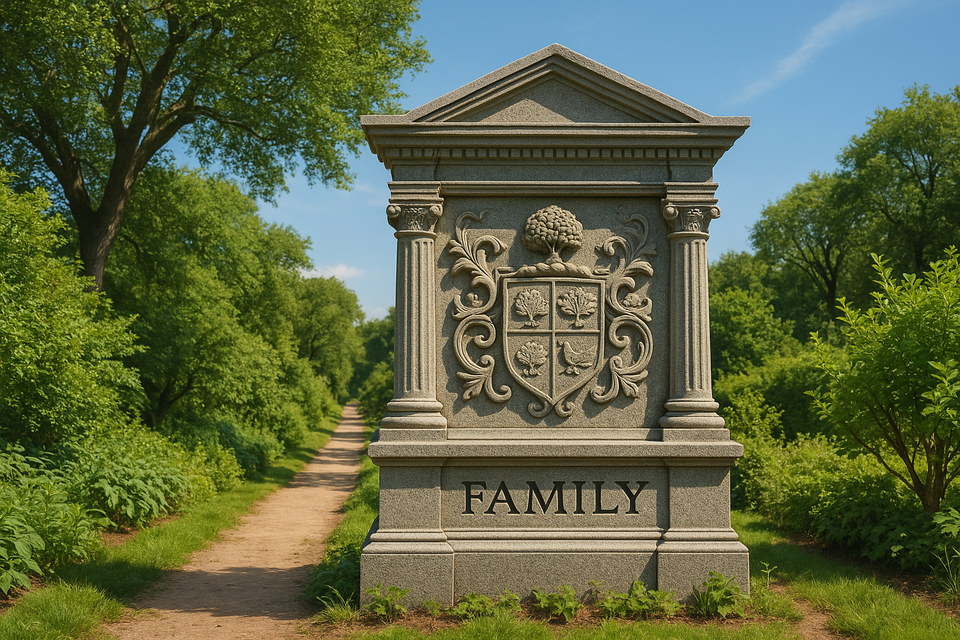
In a world where digital legacies seem to dominate, the enduring nature of stone offers a compelling reminder of our roots and future. Family monuments, carved in stone, serve as tangible links between generations, capturing stories that transcend the passage of time. These monuments are more than just physical structures; they are narratives etched in history, reflecting the values and milestones of a lineage.
The Art of Storytelling Through Monuments
Storytelling has always been central to human culture, shaping our understanding of identity and belonging. In recent years, there has been a resurgence in the appreciation of craftsmanship and storytelling in branding, as noted by Ad Age [1]. Families are adopting similar principles, using monuments as a medium to communicate their unique stories and legacy.
Consider the trend of 'modern heritage' in home design, where elements from the past are integrated into new constructions to add character and nostalgia (Builder Magazine [3]). This principle can be applied to family monuments, where historical influences are fused with contemporary design, crafting a narrative that speaks to both heritage and modernity.
Choosing the Right Materials: Granite, Marble, and Beyond
When building a family monument, the choice of material is crucial. Granite and marble remain popular for their durability and timeless beauty. Granite, with its variety of colors and grains, offers a robust canvas for intricate carvings. Marble's elegance and polish make it ideal for achieving a classic look that reflects sophistication and grace.
However, sustainability is becoming increasingly important. Utilizing locally sourced materials not only supports the local economy but also reduces the environmental footprint. This aligns with the trend of intentional design Builder Magazine [5] describes, where every choice holds purpose and meaning.
Designing a Monument That Speaks Volumes
Designing a family monument is akin to crafting a piece of art that encapsulates the essence of a family’s journey. This involves more than just aesthetics. It requires a thoughtful exploration of what values and stories you wish the monument to convey. The design could incorporate elements such as family crests, significant dates, or symbols that hold special meaning.
The design should also consider future generations. As discussed in Newsweek [2], there's a risk of losing historical character if we do not preserve the essence of our built environments. A monument should therefore be both a tribute to the past and a beacon for the future.
Location: Placing Your Monument in a Meaningful Context
Where you place your monument can greatly influence its impact. Ideally, it should be situated in a location that holds significance to the family, whether it's on ancestral land, a family estate, or a public space that allows for community engagement.
Publicly accessible monuments can also serve as a gift to the community, inviting others to share in your family’s history and adding layers of meaning to public spaces. Such placements can transform these tributes into landmarks that enrich the cultural tapestry of an area.
Crafting a Legacy: Monuments as Living Heritage
A well-crafted family monument does more than commemorate; it engages future generations. As noted in Forbes [4], estate planning is about passing on values. Monuments similarly offer a platform to transmit ideals and stories, inviting dialogue and reflection.
Through family gatherings and ceremonies held at these sites, families can foster a sense of unity and continuity. These events not only honor ancestors but also serve as opportunities for sharing stories and strengthening familial bonds.
Embracing Technology Without Losing Touch
While stone speaks to tradition, integrating technology can enhance the storytelling experience. QR codes or augmented reality apps can provide interactive experiences that delve deeper into the family’s history, offering a digital companion to the physical monument.
This blend of old and new can cater to younger generations, who are deeply influenced by nostalgia yet driven by technological innovation Hotel News Resource [6].
Building Bridges Across Time
The creation of a family monument in stone is an endeavor that goes beyond the mere act of building. It is a heartfelt expression of legacy, interweaving the temporal and the eternal. By crafting these enduring testaments, families can ensure that their stories are not just remembered, but cherished and retold, resonating through the corridors of time.