Family Narratives: Structuring Story Nights to Strengthen Generational Bonds and Values
In an era where digital distractions are omnipresent, creating meaningful moments with family can seem daunting. Yet, the power of storytelling—a tradition as old as humanity itself—offers a timeless tool for strengthening familial bonds and imparting values across generations. Imagine a night where stories flow as easily as laughter, and each tale becomes a thread in the rich tapestry of your family's shared identity.
The Power of Storytelling in Families
Storytelling is more than an art; it's a bridge connecting past, present, and future. Research shows that narratives can shape identities, helping family members understand their roots and values. According to a study published on mdpi.com, reconnecting with family stories can provide a much-needed sense of continuity and grounding, especially when individuals discover new genetic relatives or untangle their ancestry (source).
Our stories—filled with tales of resilience, migration, and entrepreneurship—aren't just entertainment; they are vehicles for legacy transmission. Each anecdote told is a lesson learned, a value shared, and a legacy passed on. But how can families harness this powerful tradition to reinforce their bonds and values?
Structuring Effective Story Nights
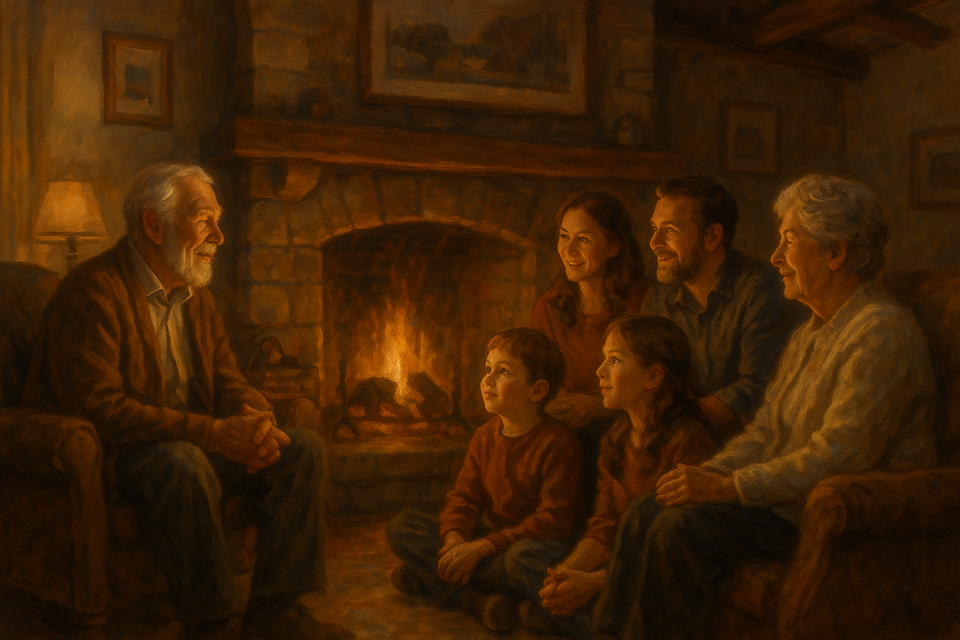
Hosting regular family story nights might be the answer. These gatherings create a dedicated space for sharing memories, be it around a fireplace or a dining table. Here's a simple framework to get you started.
Choose a Theme
Each story night can have a theme that resonates with your family's history or values. Whether it's "stories of courage," "memorable family trips," or "lessons from our ancestors," a theme provides focus and encourages participation.
Include Everyone
Ensure that these gatherings are inclusive. Encourage each family member, young and old, to share a tale. This inclusivity not only fosters intergenerational understanding but also ensures that the night's stories reflect the diverse perspectives within your family.
Create a Comfortable Atmosphere
Setting the right ambiance is crucial. Whether you opt for a cozy living room or an outdoor space beneath the stars, ensure it's comfortable and conducive to conversation. Dim lighting, soft cushions, and perhaps some background music can enhance the experience.
Making Story Nights a Tradition
To embed story nights into the family fabric, consistency is key. Decide on a regular schedule—be it monthly or quarterly—and stick to it. Over time, these gatherings will become eagerly anticipated events that everyone looks forward to.
Moreover, documenting these sessions can add an extra layer of value. Recording stories, either through audio or video, preserves them for future generations. This practice not only enriches family archives but ensures that the wisdom and wit of elders aren't lost to time.
Values Through Narratives
Every story told is an opportunity to convey values. Whether it's a tale about a family member's integrity during tough times or an amusing incident that taught a life lesson, these narratives subtly instill values in younger generations.
For instance, a story about how a great-grandparent started their first business with minimal resources can inspire entrepreneurial spirit and resilience. Or, recounting a sibling's selfless act can illustrate the importance of compassion.
Legacy and Philanthropy
These story nights can also be opportunities to discuss family values around philanthropy, a topic highlighted by William Blair's insights on shaping family giving plans (source). Families can share stories of charitable acts and discuss how their values translate into their philanthropic efforts, reinforcing the importance of giving back as a family tradition.
Building a Living Family Archive
As stories are shared, consider building a living family archive. This could include not only recordings of story nights but also photographs, letters, and other memorabilia. Platforms like LinkedIn emphasize the importance of preserving more than just names in family histories—our stories breathe life into our family trees (source).
Such an archive becomes a treasure trove for future generations, providing a tangible connection to their heritage and an understanding of the values that shape their family's legacy.
Ultimately, these narrative gatherings are more than just a time to reminisce; they are strategic steps towards building a resilient family culture. As we share and listen, we are reminded of who we are and what we stand for, creating a legacy that endures long after the stories are told.