Digital Echoes: Curating a Family Heritage Through Online Archives and Virtual Storytelling
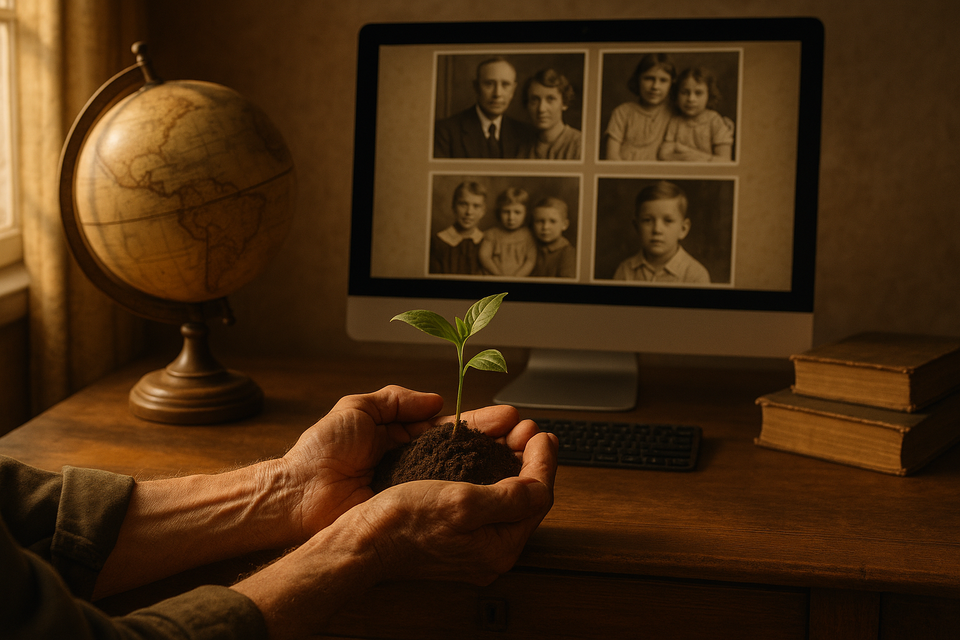
Imagine sitting with your grandchildren decades from now, weaving tales about ancestors they never met, stories of courage, resilience, and moments of familial joy. In a rapidly digitalizing world, the way we preserve and transmit these stories is evolving. The art of storytelling, a cornerstone of family legacy, is now finding its expression through digital archives and virtual storytelling. This is not merely a technical undertaking but a deeply personal journey that blends the past with the present, crafting a heritage that resonates across generations.
Why Digital Archives Matter
Digital archives are powerful tools that offer a new dimension to preserving family history. Unlike physical photo albums or written memoirs that may deteriorate over time, digital archives provide a durable and easily accessible platform. As noted by the Internet Archive, digitization has the potential to make oral traditions and folklore more accessible and discoverable, allowing for reinterpretation and sharing that was previously unimaginable (source).
Getting Started: Tools and Technologies
Creating a digital archive may seem daunting, but modern technology offers numerous tools to simplify the process. The Internet Archive, for instance, provides platforms that preserve dynamic storytelling practices, which can be an excellent starting point for those looking to digitize family narratives (source).
Choosing the Right Platform
Begin with platforms that offer ease of use and robust storage solutions. Services like Google Photos, Dropbox, and specialized tools such as Pushshift API, which provides access to historical data, can be invaluable. Open Source Intelligence (OSINT) resources, like those listed on GitHub, can offer further guidance on effectively managing digital content (source).
Gathering Your Family's Stories
Collecting stories involves more than just data entry; it’s about capturing the essence of your family’s values and experiences. Engage with family members to record their stories, using video or audio formats to add depth and personality. Reflect on pivotal moments that define your family’s identity and document these narratives. This echoes the efforts seen in the "Chavez Ravine: An Unfinished Story" archives, where community members actively participate in preserving their history through shared stories and artifacts (source).
Building a Visual Legacy
Photographs are windows into the past. When digitizing family photos, consider both the technical aspects and the storytelling potential. High-resolution scans ensure long-term preservation, while platforms like Imgur can facilitate easy sharing and storing of images. Remember to annotate photos with stories or notes, weaving a narrative thread through your visual history.
An example of this can be seen in the efforts of families from the Chavez Ravine communities. They have embedded their photographs with personal and communal histories, enhancing the value of each image as a narrative artifact (source).
Integrating Artifacts and Documents
Beyond stories and photos, artifacts and documents add layers to your family’s history. Consider digitizing items like letters, certificates, and heirlooms. Tools like scanners or high-quality cameras can capture these items in detail, allowing you to incorporate them into your digital archive seamlessly.
A practical step is to create a catalog of these items, detailing their origin and significance. This catalog serves as both a guide and an inspiration for future generations, much like the "Memories Around a Bulldozed Barrio" poetry books preserved by the Gamboa family (source).
Storytelling in the Digital Age
With your digital archive in place, it’s time to breathe life into these elements through virtual storytelling. Create multimedia presentations that blend text, audio, and visuals to narrate your family’s saga. Platforms like YouTube or dedicated family websites can host these stories, facilitating effortless sharing among family members.
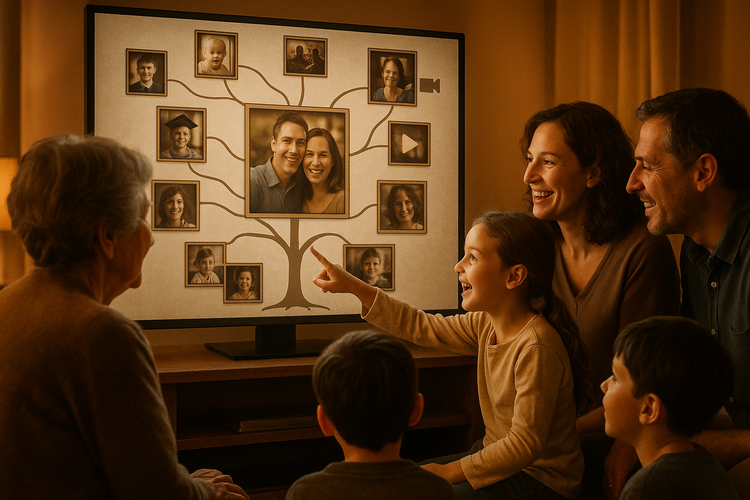
Consider crafting a digital family tree that links stories, photos, and artifacts. This approach not only organizes information but also illustrates connections and legacies, promoting a sense of belonging and continuity.
Sustaining Your Legacy
The journey doesn’t end with the creation of a digital archive. Sustaining this legacy requires regular updates and engagement. Encourage family members to contribute new stories or updates about their lives. This continual enrichment ensures that the archive remains a living testament to your family’s journey.
In the spirit of stewardship, consider sharing parts of your archive with wider community platforms where other families can learn and draw inspiration. This gesture echoes the collaborative philosophy seen in the preservation efforts of the Chavez Ravine communities (source).
As we curate our digital echoes, each story and image becomes a beacon for future generations. It’s a call to embrace the past, live fully in the present, and inspire the future. By taking these steps, you are not just preserving history but actively crafting a family legacy that resonates with your values and aspirations, leaving a digital footprint that will guide and inspire long after we are gone.