Architects of Legacy: Designing Family Trusts That Preserve Values and Vision

In the fast-moving world of wealth management, the conversation around family trusts has shifted remarkably. No longer just a mechanism for sheltering assets, trusts are evolving into vehicles for preserving family values and vision. This evolution reflects a broader societal recognition that true legacy extends beyond financial wealth—it's about the enduring impact of one's life, values, and contributions to society.
Setting the Foundation: Aligning Trusts with Family Values
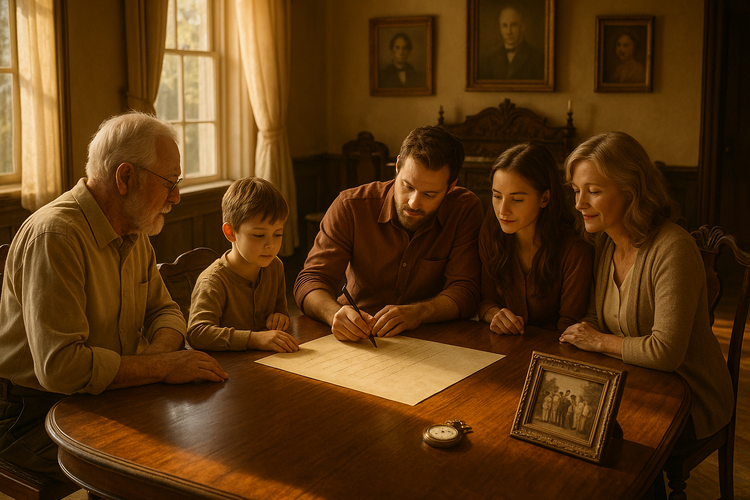
Trusts are traditionally known for their financial benefits, such as tax efficiency and probate avoidance. However, a growing number of families are now structuring trusts to serve as anchors for their core values and long-term vision. According to a report from InvestmentNews, family meetings have become a crucial aspect of this strategy, where discussions are redirected to focus on a family’s mission and values, thus intertwining purpose with wealth preservation [4].
Consider the Vanderbilt family, a historical example of legacy building. They’ve recently launched a family office to engage their extensive kin in collective investment strategies, aiming to redefine their storied name [1]. This approach showcases how aligning financial tools with familial goals can honor and evolve a legacy.
Incorporating Philanthropy into Trust Structures
Philanthropy is increasingly becoming a cornerstone of modern trusts. Families wishing to leave a lasting impact on their communities often incorporate charitable giving into their trust agreements. This strategy not only reflects a commitment to stewardship but also promotes a culture of giving within the family.
One practical way to achieve this is by establishing a charitable lead trust, which provides income to a chosen charity for a set period, after which the remaining assets revert to the beneficiaries. This method not only funds meaningful causes but offers significant tax advantages, aligning financial prudence with philanthropic intent.
Crafting Modern Trusts: Embracing Technology and Innovation
The digital age has introduced new opportunities and challenges in estate planning. Integrating digital assets into family trusts is becoming increasingly important, as families own a growing number of online assets that must be managed within their estate plans [5].
For instance, creating a digital trust to manage these assets can help preserve and protect digital legacies. This ensures that online identities and properties are managed in accordance with family values and intentions, offering a seamless transition into the digital future.
Case Studies in Legacy Trusts
The Smith Family: Blending Tradition with Modern Strategies
The Smith family, fictional yet illustrative, provides a compelling blueprint. By establishing a family trust, they not only safeguarded their assets but also defined a mission to support education and innovation. They allocated 15% of their trust’s annual returns to fund scholarships for underprivileged students pursuing technology degrees. This strategy allowed them to actively contribute to societal development while preserving their family's ethos of learning and progress.
The Lee Family: Engaging the Next Generation
The Lee family, another illustrative example, emphasized family engagement. They incorporated a family council into their trust’s governance structure, giving younger members a voice in its administration. This involvement helps cultivate a sense of responsibility and shared vision among heirs, ensuring the family’s values continue to shape their legacy.
Actionable Steps for Designing a Values-Based Trust
- Start with a Family Meeting: Gather key family members to discuss and document core values and long-term goals. This can guide the structure and objectives of the trust.
- Define the Trust’s Purpose: Beyond financial security, clarify how the trust will support family values, community engagement, and innovation.
- Explore Philanthropic Opportunities: Consider integrating charitable components, such as setting aside a percentage of returns for donations, to embody a commitment to stewardship.
- Incorporate Digital Asset Management: Ensure digital assets are included in trust planning, reflecting the evolving nature of wealth.
- Consider a Family Council: Engage younger generations in the trust’s administration to foster a sense of ownership and continuity.
Embodying Legacy Beyond Wealth
The essence of a family trust is its ability to transcend mere wealth and serve as a monument to a family’s enduring values and vision. As you consider how to structure your own family trust, remember that the most profound legacies are not built solely on financial acumen but on the kindness, innovation, and stewardship they inspire. By making deliberate, values-driven decisions today, you can shape a legacy that resonates well beyond your lifetime.