Narratives in Fabric: Weaving Family Stories Through Heirloom Textile Arts
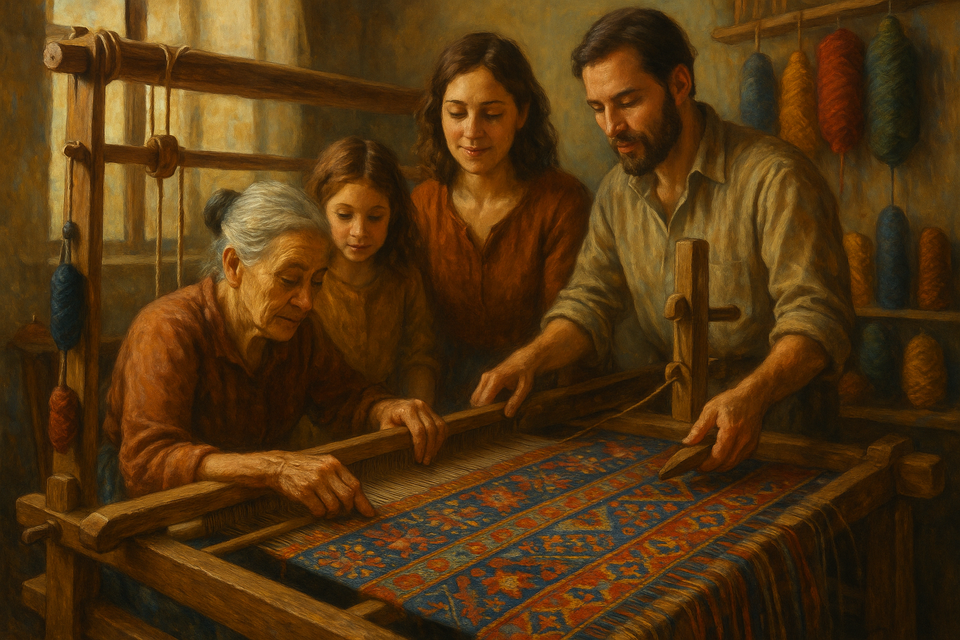
Textiles, in their fibers and patterns, carry the weight of history and the warmth of family. They are more than fabric; they are narratives embroidered across generations. In today's world, where digital screens dominate our storytelling, heirloom textiles remind us of the tactile and the tangible, offering a connection to our roots and a bridge to our legacy.
The Heirloom Tradition: More Than Just Fabric
Heirloom textiles have long been a cornerstone of family heritage, providing not just warmth but a sense of identity. In many cultures, these textiles are passed down through generations, each stitch holding stories and sentiments that words alone cannot capture. For example, the tradition of the hope chest, as highlighted by Farm Progress, underscores the importance of preserving family traditions through carefully curated heirlooms.
The Art of Storytelling Through Fabric
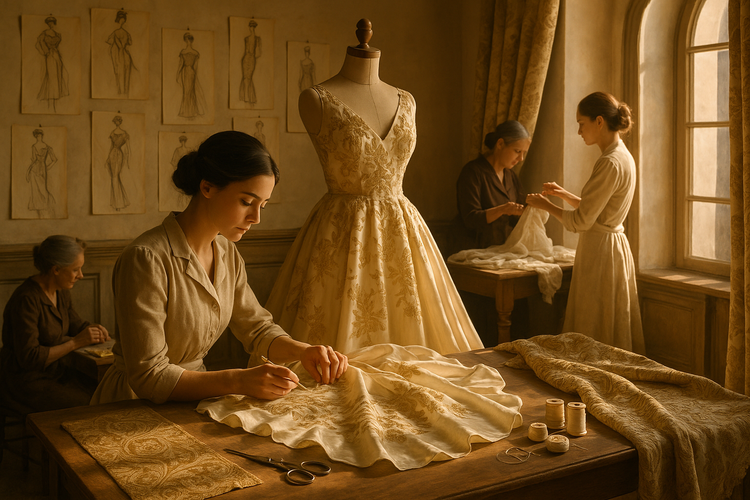
Storytelling is a powerful tool in both branding and personal legacy creation, as discussed by Ad Age. Within the realm of textile arts, this narrative power takes on a physical form. Every piece of fabric tells a story not just in its design, but in its journey through time. A quilt made from snippets of a child's clothing captures the fleeting moments of youth; a tapestry woven from ancestral designs connects us to our roots.
Modern Reinterpretations of Classic Craft
Today, the resurgence of interest in textile arts is not merely a nod to the past but an evolution into modernity. According to InsightTrendsWorld, consumers are increasingly drawn to experiences and products that carry a narrative. Textile artists are responding by crafting pieces that blend traditional techniques with contemporary stories, creating heirlooms that resonate with today's global narratives.
Eco-Stitch Hubs and Sustainable Practices
In addition to storytelling, sustainability has become a pivotal theme in modern textile arts. Initiatives like the Eco-Stitch Hub at Bharat Tex 2026, covered by India's News.Net, highlight the importance of eco-friendly practices in preserving both the planet and our cultural heritage. These hubs are not just centers of production but also of education, teaching new generations the value of sustainable craftsmanship.
Textiles as a Family Legacy
As we reflect on the role of textiles in our families, we see them as more than possessions; they are vessels of legacy. The stories woven into each piece become part of a larger family narrative, one that is both deeply personal and universally understood. These narratives, much like the textiles themselves, are designed to last, speaking of love, resilience, and continuity across the ages.
Creating Your Own Heirlooms
For those inspired to create their own textile stories, consider starting small. A simple quilt made from personal fabrics or a hand-embroidered tablecloth can become a cherished family item. These creations are not just about the finished product, but about the process—the time spent, the stories shared, and the skills passed down.
Weaving the Future with Threads of the Past
As we continue to evolve our methods and materials, the heart of textile arts remains unchanged: the desire to connect with others and tell our stories. By embracing both traditional techniques and innovative approaches, we ensure that our textile narratives will continue to be woven into the fabric of future generations.
Ultimately, textiles remind us of the enduring power of craftsmanship and the legacies we leave behind. They are the storytellers of our histories, inviting us to wrap ourselves in the warmth of our past as we look toward the future.