Harnessing AI: Transforming Essential Businesses for the Future
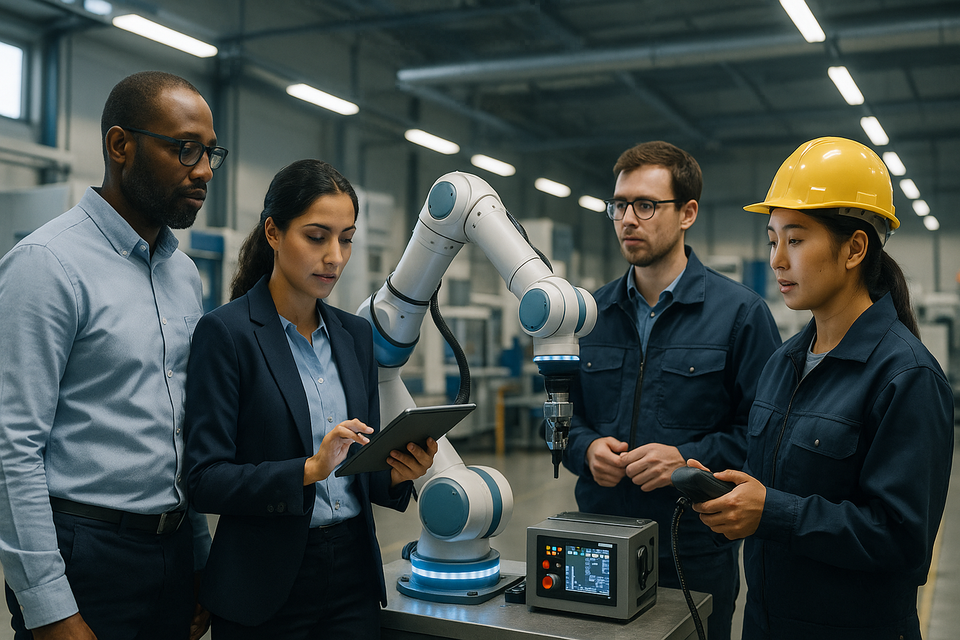
Artificial intelligence is no longer just the domain of tech giants and cutting-edge startups. It's becoming a pivotal tool across a broad spectrum of essential businesses, from healthcare and logistics to retail and education. While AI holds immense potential, the challenge lies in implementing it effectively to transform these sectors, creating efficiencies and fostering innovation. This article explores how AI is shaping essential businesses and what steps entrepreneurs must take to enhance their operations.
The Role of AI in Essential Businesses
Essential businesses such as healthcare, logistics, and education have always been the backbone of society. These sectors are now leveraging AI to streamline operations and improve service delivery. For instance, AI is being used in healthcare to predict patient outcomes, optimize resource allocation, and improve diagnostic accuracy. Logistics companies are deploying AI to enhance route optimization, thus reducing fuel costs and improving delivery times.
In the realm of education, AI is revolutionizing learning experiences by offering personalized education plans and improving student engagement through interactive platforms. According to a study by Pearson and AWS, a significant gap exists between current educational offerings and the skills needed in the workforce, suggesting that more needs to be done to prepare students for an AI-driven future [1].
Preparing the Workforce for AI Integration
The integration of AI into essential businesses necessitates a workforce that is ready to embrace these technologies. A report by edForce indicates that there is a sharp rise in the number of employees undergoing AI training, with enterprises investing heavily in workforce readiness for the AI era [2]. This reflects an acknowledgment that while AI can automate many processes, human oversight and intervention remain crucial.
The demand for domain experts who can apply AI effectively in their workflows is becoming a key differentiator for businesses. This emphasizes the importance of continuous education and training in AI for employees at all levels.
Leveraging AI for Business Growth
AI offers entrepreneurs a toolkit for business growth that is unparalleled by other technologies. Chris Franco's experience with AI in scaling his marketing firm underscores this potential. AI can assist in writing business plans, generating marketing content, and designing product prototypes, essentially acting as an entrepreneur's co-pilot [3].
What makes AI particularly appealing for small and medium-sized businesses is its ability to level the playing field. These companies can compete with larger corporations by utilizing AI to increase productivity and enhance customer experiences without significant capital investment.
Challenges and Considerations
While the benefits of AI are evident, businesses must navigate the challenges associated with AI adoption. Issues such as data privacy, security, and ethical considerations are paramount, particularly in sectors that handle sensitive information like healthcare and education. According to TechCrunch, as enterprises move from experimental AI projects to full-scale implementation, they face increasing scrutiny regarding governance, compliance, and infrastructure [7].
Businesses must establish clear protocols and policies for AI use to mitigate risks and ensure compliance with legal and ethical standards.
The Road Ahead
The integration of AI into essential businesses is not just about improving efficiencies; it's about transforming the very nature of these sectors to meet the demands of a rapidly changing world. Entrepreneurs must adopt a strategic approach to AI adoption, focusing on both technological investments and workforce development.
As we continue to innovate, it's essential to remember that technology serves a greater purpose when aligned with human values and societal needs. AI's role in essential businesses exemplifies the balance between embracing cutting-edge technology and maintaining a focus on the human element.
Sources
- AI-Ready Workforce: New Research Reveals Gaps in Student Preparedness - smallbiztrends.com
- Agentic AI training doubles as enterprises ramp up workforce readiness for AI era: Report - storyboard18.com
- Want to start a business? AI can help, business owners say - cbsnews.com
- Why enterprise AI will be a major focus at VivaTech 2026 - techcrunch.com