Family Echoes: Creating Audio Archives to Preserve Voices and Stories for Generations
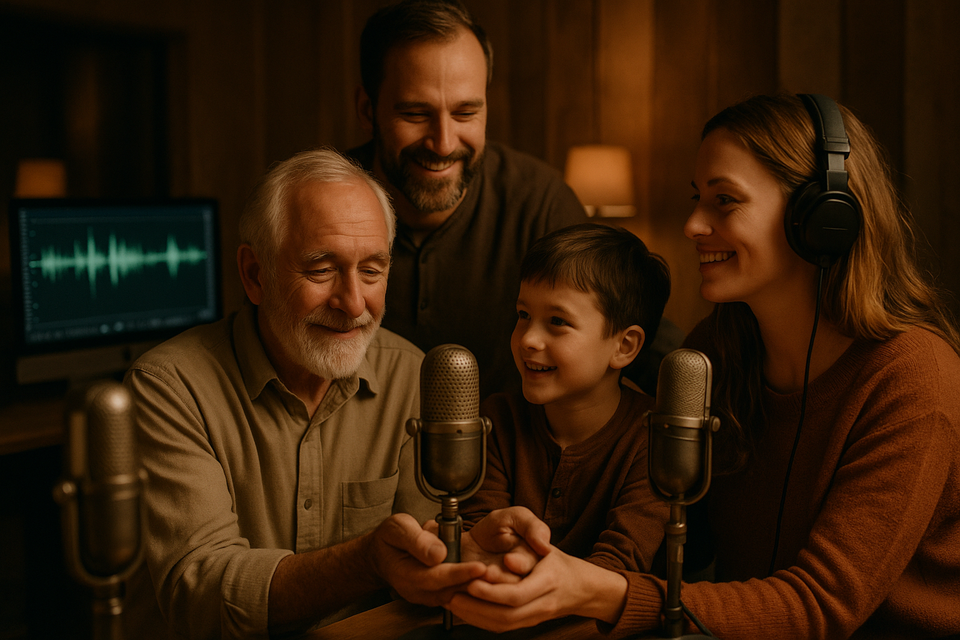
In a world where digital files are multiplying at an astonishing pace, preserving the voices and stories of our family lineage has never been more crucial. Imagine your great-grandchildren, decades from now, listening to your voice recounting tales of their ancestors, enriched with the nuances of emotion that simple text can never convey. This is the power of audio archives—a means to bridge generations and preserve legacy with authenticity and warmth.
The Rise of Digital Archives: A Modern Necessity
The digital age has ushered in unprecedented opportunities for preserving personal and family histories. According to data from Jersey, digital archive records increased by a staggering 1,900% between 2024 and 2025, reflecting a significant shift from traditional paper records to digital formats [1]. This trend underscores the growing recognition of digital archives as a vital tool for safeguarding our personal and collective histories.
Crafting Your Family's Audio Legacy
To begin creating a family audio archive, start by identifying the stories that define your family’s legacy. Consider both the monumental events and the everyday moments that, when woven together, form the fabric of your family’s history. Engage family members in this process, ensuring that each voice and perspective is captured.
Choosing the Right Tools
There are various tools available for recording and preserving audio archives. Applications like StoryCorps offer user-friendly interfaces to record and share interviews. Alternatively, investing in a high-quality microphone and using digital audio workstations such as Audacity can provide more control over sound editing and quality. The key is to choose tools that meet your needs and comfort level.
Interview Techniques: Capturing Authentic Voices
When interviewing family members, create a comfortable environment that encourages open and honest dialogue. Start with open-ended questions to spark conversation. For instance, ask, "What is a family tradition that has changed over the years?" or "Can you describe a moment that shaped who you are?" These questions invite reflection and storytelling.
The Intersection of Technology and Legacy
Advancements in technology, such as AI-driven software, have made it easier to catalog and search through vast amounts of audio data. Companies like Ancestry are utilizing machine learning to transcribe and digitize records, thus enhancing accessibility and searchability [7]. These technologies allow families to not only preserve but also organize their audio archives efficiently, making them a living resource for future generations.
Faith, Family, and Audio Archives
For faith-driven families, audio archives can serve as a medium to pass down spiritual values and narratives. Consider recording family prayers, testimonies, or stories of faith that have been pivotal in your family's history. These recordings can inspire and guide future generations, providing them with a sense of identity and purpose rooted in faith.
Overcoming Challenges: Privacy and Preservation
While the benefits of audio archives are substantial, challenges such as privacy concerns and file preservation need careful consideration. Ensure that all family members are comfortable with what is recorded and how it is shared. Additionally, consider secure storage solutions, like cloud services with strong data protection measures, to safeguard your archives for the long term.
Building a Legacy That Lasts
Ultimately, creating a family audio archive is about more than preserving voices; it’s about capturing the essence of human experience and ensuring that the wisdom and stories of today resonate tomorrow. By taking deliberate steps now, you build a legacy that not only honors the past but also enriches the future—a gift that will echo through the ages, long after we are gone.