Divine Design: Creating Architecture That Reflects Faith and Serves Community Needs
In the quiet moments before dawn, architects and builders breathe life into blueprints that resonate with purpose and faith. As stewards of the environment, they craft spaces that are more than just structures—they’re sanctuaries of connection, inspiration, and community support. The intersection of architecture and faith-driven design not only elevates structures aesthetically but also imbues them with a profound sense of mission and community service.
Beyond Aesthetics: Architecture with Purpose
Architecture is much more than the art of creating beautiful buildings; it's the science of designing spaces that fulfill functional and emotional needs. The trend of weaving faith into architecture aims to create environments that reflect spiritual values while meeting practical community needs. A church, for example, isn’t just a place for worship; it can become a community hub, offering educational courses, counseling services, and even daycare facilities.
Faith-Driven Design Principles
Designs rooted in faith often incorporate elements that symbolize values and beliefs. Crosses, prayer rooms, and spaces that foster community gatherings are some examples. This approach ensures that a building is not just a physical space but a testament to its community's spiritual journey and heritage.
Case Study: The Bridge Project
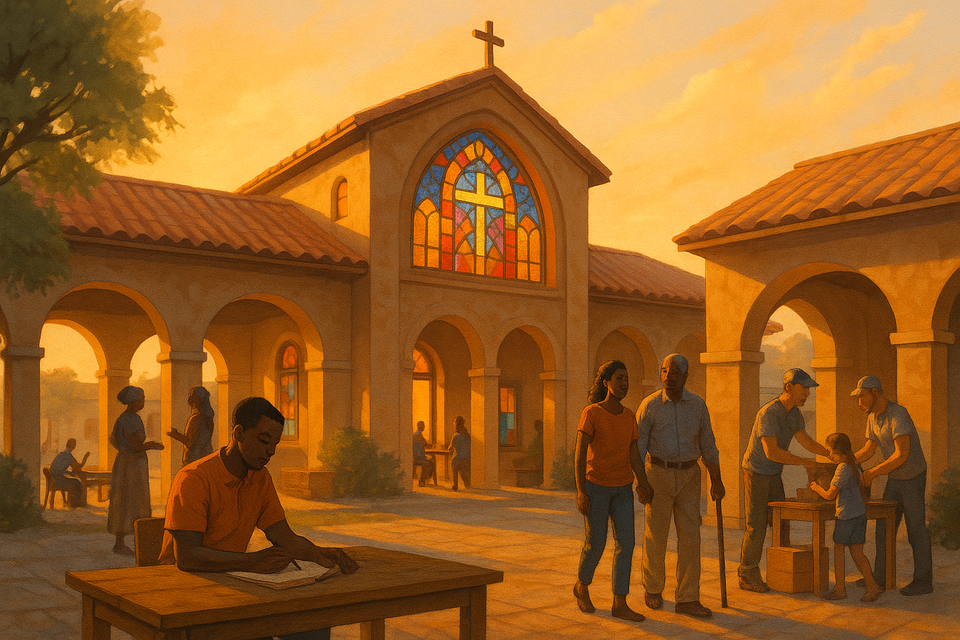
Consider the Bridge Project, a pioneering initiative that embodies these principles in a bustling city. Originally conceived as a simple community center, the project evolved into a multi-functional facility that serves as a place of worship, a shelter for the homeless, and a venue for local events.
The designers focused on open spaces and natural light, creating an inviting atmosphere. The result? A harmonious blend of practicality and spiritual symbolism, where each design element—from the arches to the stained glass windows—tells a story of hope, unity, and faith.
Serving Diverse Community Needs
Faith-based architecture has the power to transcend traditional boundaries, addressing a spectrum of community needs. For example, integrating sustainable materials in construction not only respects God’s creation but also reduces the environmental footprint. Additionally, multipurpose rooms can host various activities, from youth group meetings to community outreach programs.
Sustainability and Stewardship
Stewardship of the earth is a core tenet in many faith traditions. Utilizing green building technologies such as solar panels and rainwater harvesting reflects this commitment, offering environmental and economic benefits to the community.
Legacy and Innovation
Innovative design doesn’t forsake tradition; instead, it finds new ways to express timeless values. Architectural projects that integrate faith and community service often become legacies in their own right, shaping the landscape for future generations. Buildings like the Bridge Project become blueprints for others, showing how spirituality and innovation can coexist.
Innovative Spaces for Tomorrow
Tomorrow’s faith-driven buildings will likely harness technology to enhance their missions. Imagine a chapel equipped with virtual reality to reach congregants worldwide or a community center that uses AI to optimize resource allocation. These innovations can magnify the impact of faith-infused architecture, making it more accessible and inclusive.
Nurturing Future Generations
As the structures we build today become the schools, churches, and homes of tomorrow, they play a crucial role in nurturing future generations. By embedding spaces with spiritual and moral values, architects create environments conducive to learning and growth, fostering a community-centric mindset.
Projects like these serve as a testament to the power of community-driven design, showing us that buildings can be both physical havens and spiritual beacons.
In this evolving landscape, the role of the architect is not merely to build, but to craft experiences that resonate with faith and foster community well-being. By doing so, we create not just buildings, but lasting legacies that inspire future generations to come.