Artisan Innovation: Building a Business That Honors Craftsmanship and Drives Long-Term Success
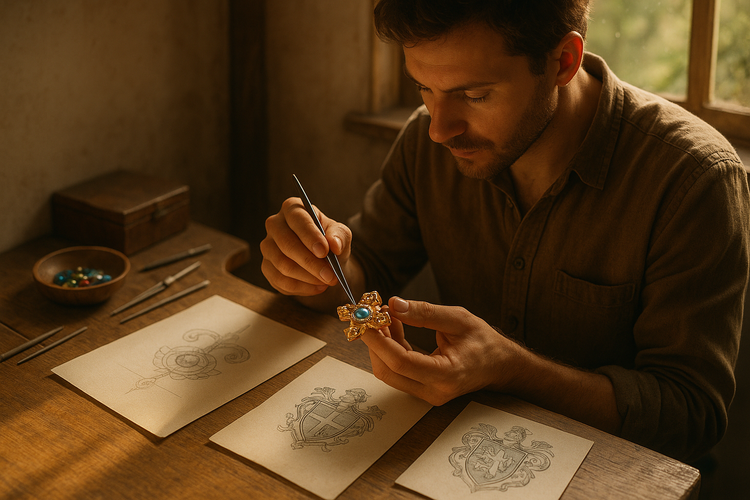
In a world increasingly dominated by technology and mass production, the idea of craftsmanship—where skills, tradition, and meticulous attention to detail take center stage—can feel like an antiquated notion. However, marrying craftsmanship with innovation is not just possible; it's a blueprint for building a resilient, standout business. Let’s explore how to construct a business model that honors the artisan spirit while embracing the cutting-edge possibilities of modern entrepreneurship.
Reimagining Craftsmanship in the Modern Era
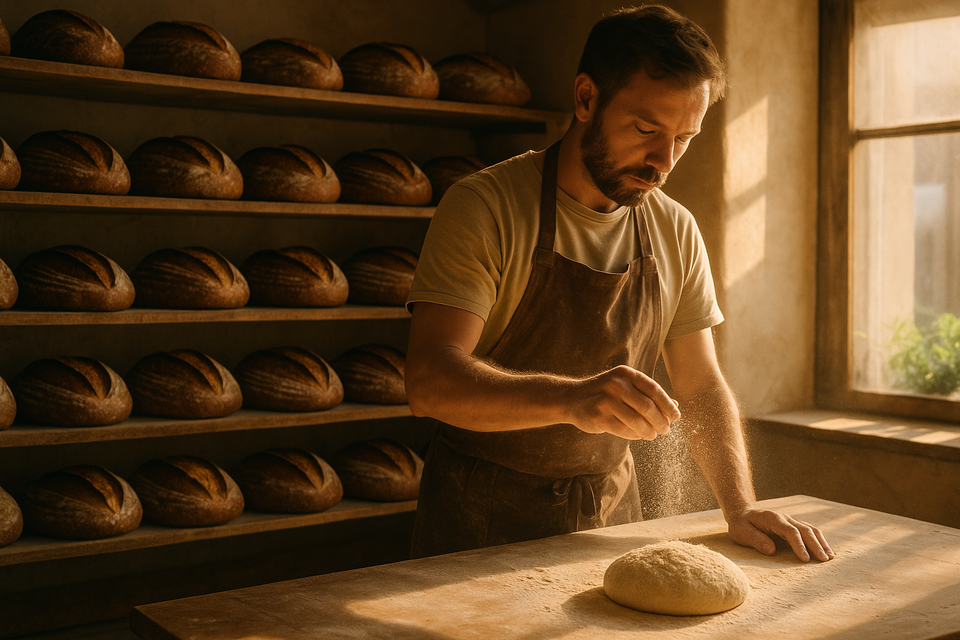
Craftsmanship is often equated with quality, tradition, and the personal touch—a stark contrast to the often impersonal nature of mass-produced goods. Yet, we see a resurgence of interest in artisan products, from sourdough bread to bespoke skincare solutions. For instance, the emergence of artisan-style sourdough bagels by brands like Kynd Dough, which combines traditional baking methods with modern packaging for extended shelf life, exemplifies how craftsmanship can adapt to contemporary consumer needs [2].
Integrating the Artisan Mindset
To forge a path that integrates craftsmanship with modern business, it's crucial to adopt an artisan mindset. This involves a commitment to quality over quantity, where each product or service is a reflection of mastery. For entrepreneurs, this means focusing on refining and enhancing core offerings rather than expanding too broadly. This often requires a shift in values—from speed and scale to sustainability and excellence.
Innovation as the Artisan's Ally
Innovation doesn't have to undermine the values of craftsmanship; rather, it can enhance them. By leveraging technology, artisans can preserve the integrity of their work while also reaching a broader audience. Digital platforms can showcase the stories behind products, creating a narrative that consumers can connect with. The Ginseng Mansion pop-up by Sulwhasoo, blending traditional skincare wisdom with interactive experiences, is a perfect example of how innovation can keep artisan values alive in new, engaging formats [1].
Technology and Craftsmanship
Consider how technology can be an ally in crafting a product that stands out. Smart tools can optimize quality control processes without compromising on artisan standards. For instance, AI-driven analytics can help artisans understand market demands and refine their offerings accordingly. These insights ensure that the products not only embody craftsmanship but also meet contemporary market needs.
Building a Brand That Tells a Story
A brand rooted in craftsmanship naturally has a rich story to tell. This narrative is a powerful tool for differentiation in a crowded marketplace. Consumers are drawn to brands that offer authenticity and emotional connection. Sharing the story of an artisan's journey, the heritage of the craft, and the unique steps involved in the creation process can resonate deeply with consumers.
Preserving Tradition, Embracing Modernity
It's about striking a balance between tradition and innovation. Brands like The Rustik Oven, which brings artisan sourdough to packaged goods, demonstrate this balance by embracing the technological benefits of modern packaging while maintaining the heart of traditional baking methods [2]. Your brand’s story becomes a bridge between the old and the new, showcasing how timeless skills find relevance today.
Crafting a Legacy Through Sustainability
A focus on sustainability is becoming an integral part of the artisan narrative. Today's consumers are increasingly aware of the environmental impact of their purchases. By committing to sustainable practices, artisans can craft a legacy that resonates with eco-conscious consumers. This commitment not only differentiates a brand but also enhances its reputation for quality and responsibility.
Implementing Sustainable Practices
Practical steps toward sustainability include sourcing materials locally to reduce carbon footprints, using eco-friendly production techniques, and choosing packaging that minimizes waste. These efforts reflect a larger narrative of stewardship—responsible management of resources for future generations, aligning closely with the enduring values of craftsmanship.
Conclusion: A Pathway to Long-Term Success
Building a business that honors craftsmanship while embracing the possibilities of innovation requires thoughtful integration of both worlds. It is a journey that starts with valuing quality and a narrative that speaks to the heart of consumers. As you embark on this path, remember that the ultimate goal is to create not just a product or service, but a legacy—a testament to your commitment to excellence, sustainability, and innovation.
For more insights on building businesses with a focus on legacy and excellence, explore more on Sam Sharma's blog.